
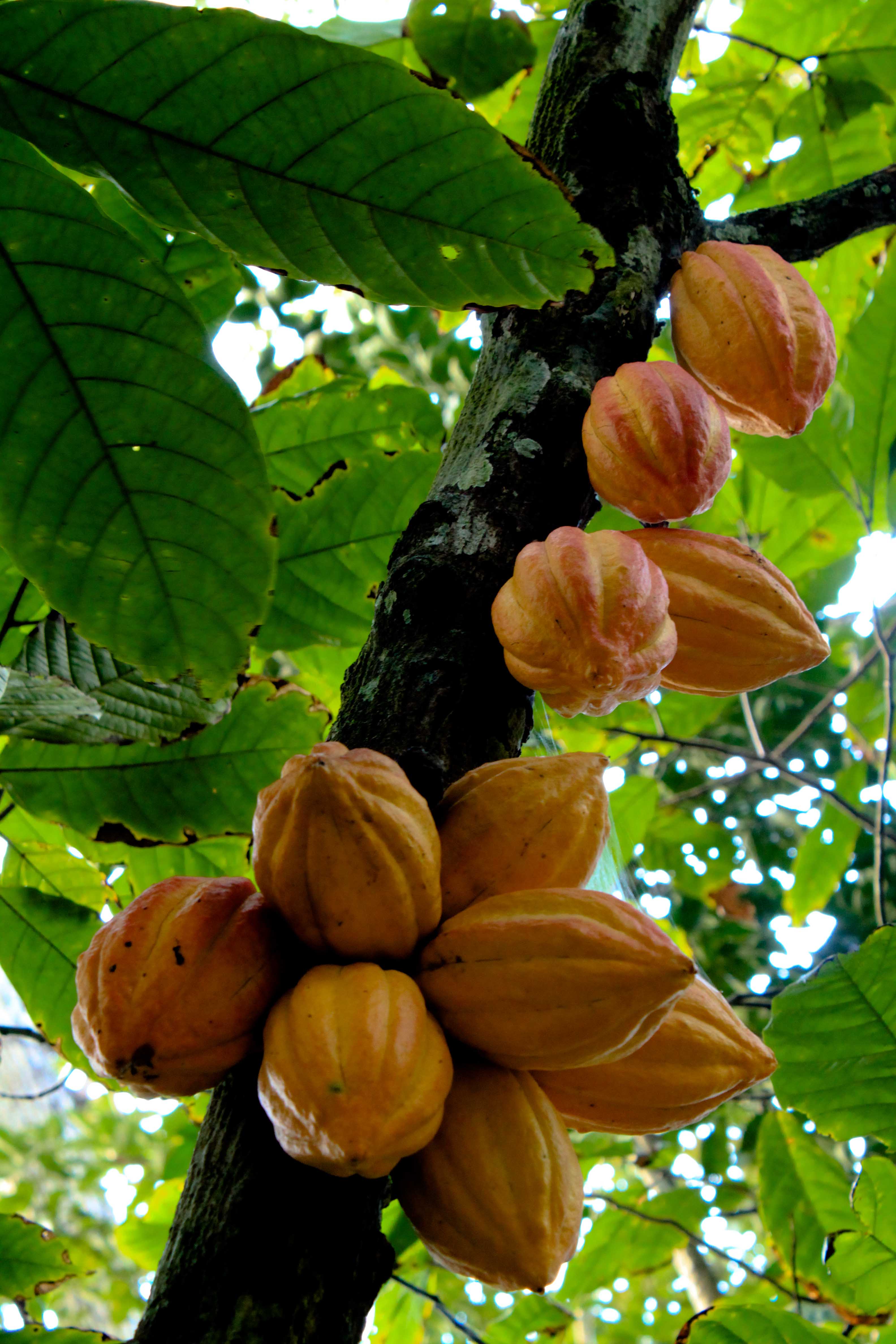
Cacao (Theobroma cacao)
Introduction
Deep within the layered shade of an Amazonian rainforest, where filtered light barely reaches the forest floor and the air carries the dense moisture of a living ecosystem, a small, unremarkable tree clings to the understory. Its trunk is dark and slender, its broad leaves catching what little luminescence reaches below the canopy. And then, emerging directly from the bark itself — a biological spectacle that stops even experienced botanists mid-step — clusters of waxy, star-shaped flowers bloom in pale pink and white, anchored not to the branch tips as most flowering plants do, but erupting from the woody flesh of the trunk and main branches. These are the blossoms of Theobroma cacao, and they carry within their chemistry the origin of one of humanity's oldest and most enduring agricultural obsessions.
Few plants occupy a more extraordinary position in both the natural world and human civilisation. The cacao tree is simultaneously a master of tropical forest ecology — a shade-tolerant understory specialist shaped across millions of years of evolutionary refinement — and the biological source of chocolate, a substance that has driven trade routes, collapsed economies, powered cultures, and transformed global agriculture. To study cacao is to study a plant that exists at the absolute intersection of ecological complexity and human history.
Yet beyond its cultural fame, the cacao tree deserves recognition on purely biological terms. Its pollination system depends on one of the smallest and most specialised insect vectors in the botanical world. Its seeds contain a remarkable alkaloid cocktail with measurable effects on mammalian neurology. Its canopy architecture functions as a critical microhabitat layer within humid tropical forests. And its evolutionary journey — beginning in the upper Amazon basin millions of years ago — is a story of adaptation to low-light environments, high-humidity ecosystems, and complex biotic relationships that we are only beginning to fully decode.
"The cacao tree does not merely produce food — it constructs a world. Every flower, every fallen fruit, every root thread is a negotiation with the forest itself."
— Dr. Allen Young, Entomologist and Cacao Ecologist, Milwaukee Public Museum
This article traces Theobroma cacao from its molecular biology to its canopy ecology, from the forest floor of the Amazon to the global supply chains that carry its seeds across continents. It is a plant that rewards deep attention — the more closely you look, the more extraordinary it becomes.
Scientific Classification
- Kingdom: Plantae
- Division: Tracheophyta (vascular plants)
- Class: Magnoliopsida (dicotyledons)
- Order: Malvales
- Family: Malvaceae (mallow family)
- Genus: Theobroma
- Species: Theobroma cacao L.
- Authority: Linnaeus, 1753
- Common Names: Cacao, Cocoa Tree, Chocolate Tree
- Recognised Subspecies: T. cacao subsp. cacao (Criollo group); T. cacao subsp. sphaerocarpum (Forastero group)
The genus name Theobroma is derived from the Greek words theos (god) and broma (food), translating elegantly to "food of the gods" — a name bestowed by Carl Linnaeus in 1753, drawing on the reverence already extended to the plant by Mesoamerican civilisations for centuries prior. The genus contains approximately 22 species, all native to tropical America, though T. cacao is by far the most economically and ecologically prominent. Its placement within the Malvaceae family connects it to cotton (Gossypium), hibiscus (Hibiscus), and balsa wood (Ochroma) — a family of remarkable ecological and economic diversity.
Physical Characteristics
Size, Form, and Trunk Architecture
In its natural forest habitat, Theobroma cacao is a small to medium-sized tree, typically reaching 4–8 metres in height under canopy shade, though cultivated specimens grown in open plantation conditions may reach 10–12 metres. The trunk diameter is modest — rarely exceeding 20–30 centimetres at breast height in mature specimens — and the bark is dark grey to brown, smooth in youth and developing a slightly roughened, channelled texture with age. The branching architecture follows a distinctive pattern: after an initial period of vertical growth (the "chupon" growth phase), the tree produces a whorl of lateral branches known as a "jorquette" — typically 3–5 horizontal branches radiating at roughly the same point from the main stem. This characteristic form creates a broad, spreading canopy relative to the tree's height.
Leaves
The leaves of cacao are among its most visually striking features. Large, entire, and elliptical to oblong in shape, they measure 20–40 centimetres in length and 7–15 centimetres in width. Young leaves are particularly remarkable — they emerge limp, pendulous, and intensely coloured in shades of deep pink to copper-red, owing to their high concentration of anthocyanins. This juvenile leaf colouration, known as juvenile reddening, is a defensive adaptation against herbivory and UV radiation during the vulnerable period before the leaf's waxy cuticle fully develops. As the leaf matures, it hardens into a deep, lustrous green and assumes its characteristic horizontal positioning, maximising light interception in low-light understory environments.
Flowers
The flowers of cacao are extraordinary in their structural arrangement. True to the phenomenon of cauliflory — the production of flowers and fruit directly on the main trunk and older branches rather than on new growth — cacao blossoms emerge from specialised meristematic tissue called cushions (cushions are thickened woody pads on the trunk and older branches). Each flower is tiny, approximately 1–1.5 centimetres in diameter, with five sepals, five petals bearing distinctive hood-shaped structures, five fertile stamens, and five staminodes. Their colour ranges from pale cream to pale pink. Structurally, they are architectural masterpieces of pollinator-guided morphology, as we will explore in the ecological interaction section.
Fruit and Seeds
The fruit of cacao — the cacao pod — is one of the most unmistakable in the plant kingdom. A large, woody, ridged berry technically classified as a drupe-like pod (a modified berry), it measures 15–30 centimetres in length and 8–12 centimetres in diameter. Pod colour at maturity varies by genetic variety from bright yellow to deep orange, red, or deep purple. The pod wall is thick, leathery, and contains between 20 and 60 seeds (commonly called "cacao beans"), each 2–3 centimetres long, embedded in a sweet, white, mucilaginous pulp called the baba or mucilage. This pulp is sweet, slightly acidic, and rich in sugars — a critical feature for the fruit's seed dispersal strategy.
Fun Fact A single mature cacao tree produces only 20–30 pods per year on average — and each pod contains the seeds needed to make just one standard 100g bar of dark chocolate. The yield of a chocolate bar represents a remarkable botanical economy.
Root System
Cacao develops a taproot system in loose soils, capable of penetrating 1.5–2 metres in depth to access deep soil moisture and nutrient reserves. In heavier tropical soils, the taproot is shallower, with a more extensive lateral root system spreading 2–3 metres from the trunk. The shallow feeder roots concentrate in the top 20–30 centimetres of soil, making cacao highly sensitive to soil compaction and drought. Mycorrhizal associations — particularly arbuscular mycorrhizal fungi — are common and functionally critical for phosphorus uptake in the low-phosphorus soils typical of tropical forest ecosystems.
Habitat & Distribution
Native Range and Origin
The evolutionary origin of Theobroma cacao lies in the upper Amazon basin, in what is today Colombia, Ecuador, Peru, and northwestern Brazil. Genetic studies published since the early 2000s — particularly the landmark 2008 genomic study by Motamayor et al. — have identified this region as the centre of maximum genetic diversity and the likely origin point of the species. From this core range, natural dispersal and later human cultivation spread cacao northward through Central America and into Mesoamerica, where it became deeply integrated into the cultures of the Olmec, Maya, and Aztec civilisations long before European contact.
Global Cultivated Range
Today, commercial cacao cultivation is concentrated within the "cacao belt" — a band extending approximately 20 degrees north and south of the equator, where temperature, humidity, and rainfall conditions match the tree's physiological requirements. The world's largest producers include Ivory Coast and Ghana (which together account for approximately 60% of global production), Indonesia, Cameroon, Nigeria, Ecuador, and Brazil. In total, cacao is cultivated across more than 50 countries in tropical Africa, Asia, and the Americas.
Ecological Habitat Preferences
In its natural state, cacao is a rainforest understory specialist. It thrives beneath partial canopy cover, where direct sunlight is filtered and diffused. It requires annual rainfall of 1,500–2,500 millimetres distributed relatively evenly across the year, with no dry season exceeding three consecutive months. Optimal temperature range is 21–32°C, with minimum temperatures rarely falling below 15°C. Cacao is highly sensitive to frost, wind, and waterlogging. It prefers deep, well-drained loamy soils with a pH between 6.0 and 7.5, rich in organic matter and nutrients — conditions most reliably found in the alluvial soils of tropical river valleys and forest interior zones.
| Condition | Optimal (Natural Habitat) | Marginal (Plantation Minimum) |
|---|---|---|
| Annual Rainfall | 1,800–2,500 mm | 1,200 mm |
| Temperature Range | 24–28°C mean | 18–32°C range |
| Light Level | 30–50% full sun (shade) | Up to 100% (open plantation) |
| Soil pH | 6.0–7.0 | 5.5–8.0 |
| Soil Depth | >1.5 m well-drained | 0.6 m minimum |
| Dry Season | None to mild (<2 months) | <4 months maximum |
Growth Systems & Physiology
Photosynthetic Strategy: The Shade Specialist
Theobroma cacao is a classic shade-tolerant species — a plant whose entire photosynthetic machinery has been calibrated across millions of years to function efficiently under the low-light conditions of a tropical forest understory. Where a sun-adapted species like a pioneer tree or a plantation crop might require 70–100% full sunlight to reach maximum photosynthetic rates, cacao achieves its photosynthetic saturation point at just 30–50% of full sunlight. This is achieved through a suite of leaf-level adaptations: large, horizontally held leaves with a high chlorophyll concentration per unit leaf area, low light compensation points (the light intensity at which photosynthesis exactly balances respiration), and chloroplast arrangements that maximise quantum yield in low-flux light environments.
The biochemistry of cacao's photosynthesis follows the standard C3 pathway, using ribulose-1,5-bisphosphate carboxylase/oxygenase (RuBisCO) as its carbon-fixing enzyme. While this makes cacao less water-use efficient than C4 plants, the consistently high humidity of its natural rainforest habitat means that water loss through photorespiration is rarely a limiting factor. The tree's stomata — found only on the lower leaf surface (hypostomatic arrangement) — are large and numerous, facilitating gas exchange efficiently during periods of moderate humidity while closing rapidly in response to vapour pressure deficits to prevent desiccation.
Water Transport and Hydraulic Architecture
Cacao's water transport system reflects its adaptation to consistently moist but never waterlogged environments. The xylem vessels are of moderate diameter — wide enough to support adequate water flux under high transpiration demands, but not so large as to risk catastrophic air embolism during minor drought events. The hydraulic architecture is characterised by a high degree of integration between the root system's water uptake capacity and the canopy's transpiration demand. During dry periods exceeding two to three weeks, cacao reduces stomatal aperture significantly, decreasing both transpiration and carbon assimilation — a conservative hydraulic safety strategy that prioritises tree survival over short-term growth productivity.
Root hydraulic conductivity is enhanced significantly by mycorrhizal associations. Studies in West African cacao plantations have demonstrated that arbuscular mycorrhizal fungi (AMF) extend the effective water-absorbing surface area of cacao root systems by a factor of 10–100, allowing trees to access water from soil pores too small for root hairs to penetrate. This mycorrhizal water subsidy can mean the difference between survival and mortality during seasonal dry spells.
Nutrient Absorption and Soil Chemistry
Cacao is a nutritionally demanding species. It requires relatively high concentrations of potassium (K), magnesium (Mg), and nitrogen (N) for pod and bean development, as well as trace elements including copper and boron for flower and seed formation. The species has a relatively shallow and laterally extensive feeder root system, concentrated in the biologically active upper soil horizon (0–30 cm) where organic matter decomposition releases nutrients in plant-available forms. In natural forest systems, cacao benefits from the continuous nutrient cycling of surrounding vegetation — fallen leaf litter from canopy trees decomposes through the action of soil microorganisms and invertebrates, providing a slow-release fertiliser that sustains cacao's nutritional needs without the deficiencies typical of monoculture plantations.
The tree's phosphorus nutrition depends critically on AMF symbiosis. Tropical forest soils are typically highly weathered (Oxisols and Ultisols), with phosphorus locked in insoluble iron and aluminium complexes inaccessible to plant roots. AMF hyphae produce phosphatase enzymes capable of mineralising these complexes, releasing phosphate ions that are then transported via the hyphal network directly into the root cortex of the cacao tree. In return, the tree allocates between 4 and 20% of its photosynthetically fixed carbon to the fungal partner — a metabolic investment that returns significant nutritional dividends.
Growth Cycles and Phenology
Cacao does not follow a strict seasonal growth pattern in the way that temperate trees do, but its growth nonetheless has rhythmic periodicities related to rainfall, temperature, and endogenous hormonal cycles. Vegetative growth occurs in synchronised flushes — periods of rapid leaf and shoot elongation lasting 1–2 weeks, separated by quiescent intervals where the terminal buds remain dormant. These growth flushes are triggered by rainfall events after dry periods and correlate with surges in cytokinin production in the root tips. In regions with distinct wet and dry seasons, cacao typically produces two to four growth flushes per year.
Flowering in cacao is continuous in equatorial regions without distinct seasons, but peaks during or immediately following periods of moderate water stress followed by rainfall. Fruit development from pollination to pod maturity takes approximately 5–6 months — a remarkably long developmental period that reflects the massive investment of carbon, nitrogen, and mineral nutrients required to build each pod and its 30–50 seeds. Trees begin bearing fruit at 3–5 years of age and can remain productive for 25–30 years, with peak production between years 8 and 15.
Fun Fact Cacao trees produce thousands of tiny flowers per year — up to 10,000 blossoms on a single tree in some estimates — yet only 1–5% of those flowers ever develop into mature pods. The spectacular inefficiency of this system is compensated by a highly specialised pollination ecology involving insects smaller than a grain of rice.
Evolutionary Adaptation
Shade Tolerance as an Evolutionary Strategy
The understory ecology of Theobroma cacao is not an accident of distribution but an evolutionary specialisation refined over millions of years. Molecular clock estimates suggest the genus Theobroma diverged from its closest relatives approximately 10–15 million years ago, during the Miocene epoch — a period when the Amazon basin was undergoing dramatic ecological reorganisation. The ancestral cacao lineage appears to have occupied the interior margins of gallery forests and tropical riverine zones, habitats characterised by dappled light, consistently moist soils, and a continuous supply of organic matter from seasonal flooding. This ecological context shaped a photosynthetic system exquisitely tuned to low-light environments.
Cauliflory: Structural Adaptation for Megafaunal Seed Dispersers
The most visually dramatic of cacao's evolutionary adaptations is cauliflory — the flowering and fruiting directly on the trunk and older branches. This is not a quirk but an evolutionary response to the dispersal ecology of large-bodied forest mammals. In its native Amazon habitat, cacao fruits are consumed and the seeds dispersed by large primates, tapirs, and small deer that access the forest floor and lower trunk zones. By positioning its fruits on the trunk rather than at branch tips accessible primarily to smaller animals, cacao evolved a targeting system for these larger dispersers — animals capable of transporting seeds significant distances from the parent tree and depositing them in viable germination microsites.
The thick, woody pod wall is itself an adaptation — not to deter dispersers, but to protect the seeds during the consumption process. Most megafaunal dispersers break open the pod and consume the sweet, energy-rich mucilage (the baba) while either discarding the seeds or passing them intact through the digestive tract. The seeds are coated in a bitter, alkaloid-rich layer that makes them unpalatable to most consumers, effectively selecting against seed predation while permitting dispersal.
Chemical Defence: Theobromine and the Alkaloid Arsenal
Perhaps cacao's most remarkable evolutionary adaptation is biochemical. The seeds (and to a lesser extent the leaves) contain significant concentrations of theobromine — a methylxanthine alkaloid closely related to caffeine — along with smaller quantities of caffeine itself, and a suite of phenolic compounds including tannins, catechins, and epicatechins. Theobromine serves as a chemical defence against a wide range of invertebrate and vertebrate consumers. It is toxic to many insects, disrupts fungal metabolism, and is acutely toxic to carnivores and many mammals (famously, it is dangerous to domestic dogs and cats). In the seeds, theobromine concentrations can reach 1–3% of dry weight — a formidable deterrent.
Paradoxically, this chemical defence system selects simultaneously for the plant's own dispersers. The mammals that evolved alongside cacao — particularly certain primates and large rodents — possess metabolic pathways to detoxify theobromine efficiently, allowing them to consume the seed-surrounding mucilage without ingesting a lethal dose. This co-evolutionary relationship between cacao's chemistry and its dispersers is a classic case of plant-animal coevolution creating biochemical differentiation across species interactions.
Juvenile Leaf Reddening and Herbivory Defence
The copper-red colouration of young cacao leaves is an evolutionary strategy against herbivory. Anthocyanins absorb visible light wavelengths, potentially mimicking dead or senescing leaf material to leaf-eating insects that use visual cues to select feeding sites. Additionally, the delayed greening of young leaves — during which photosynthetic capacity is deliberately constrained — may reduce the metabolic cost of replacing heavily consumed young tissue. Some researchers propose that anthocyanin production also provides photoprotection to the developing photosynthetic apparatus before the leaf cuticle is fully lignified, preventing oxidative damage from light intensities that might occasionally spike in understory gaps.
Ecological Interaction
The Pollination Puzzle: Midges and a Narrow Window
The pollination system of Theobroma cacao is one of the most intricately specialised — and ecologically fragile — in the entire flowering plant world. The primary pollinators of cacao flowers are midges of the genus Forcipomyia (family Ceratopogonidae), tiny biting midges that measure just 1–2 millimetres in length. These insects are among the most diminutive of all known angiosperm pollinators. The flower's architecture — with its hooded petals, recessed anthers, and concealed stigma — appears to have co-evolved specifically with the body size and foraging behaviour of these midges. When a midge enters the flower in search of food resources (the floral surface secretions), it contacts the anthers and picks up pollen, then carries it to another flower where pollen contacts the stigma.
This relationship is not obligate in a strict sense — other small insects including thrips, ants, and some aphids have been observed visiting cacao flowers — but effective pollination under natural conditions is overwhelmingly the domain of Forcipomyia midges. Studies conducted across West Africa, Latin America, and Southeast Asia consistently find that midge population density is the primary predictor of fruit set rates in cacao. In habitats where midge populations are healthy, fruit set can reach 10–30%. In intensively managed monoculture plantations that lack the decomposing organic matter, humid microhabitats, and leaf litter communities that midges depend on for larval development, fruit set drops dramatically — often to 1–3%.
The dependence on these midges creates a direct ecological link between cacao productivity and the health of the surrounding forest ecosystem. Midge larvae develop in decaying leaf matter, moist soil, and rotting organic debris. Maintaining a diverse, structurally complex agroforestry environment around cacao trees — with shade trees, a leaf litter layer, and minimally disturbed soil — is therefore not merely an aesthetic or biodiversity choice. It is a direct agricultural requirement, because without healthy midge populations, cacao's extraordinarily low natural pollination rate becomes even lower.
On a research farm in the Bight of Benin coast, just as the early morning light begins filtering through the shade canopy, a small group of entomologists position themselves around a cacao trunk, hand lenses raised. The trunk is studded with flower cushions — dozens of tiny, pale blossoms barely visible without magnification. And then, with the patient focus of careful observation, the midges become apparent. Forcipomyia — smaller than a sesame seed — moving among the flowers with surprising purposefulness, dipping into each hooded petal structure, retreating, moving on.
The lead researcher, Dr. Yaw Acheampong, has been studying cacao pollination ecology in Ghana for eleven years. He notes without looking up from his lens: "This is what a thousand-dollar bar of premium chocolate actually looks like. Not a factory. This. A fly the size of a pinhead, doing what nothing else can do." The midges are gone within minutes as the morning light intensifies — they are most active in the cool, humid hours before 9am — but in those few minutes they have completed the biological transaction that makes cacao agriculture possible.
What Acheampong's team has been documenting is the collapse of this transaction on nearby conventional farms, where clearing of shade trees and application of pesticides has reduced the litter layer that Forcipomyia larvae require. On those farms, flower set is normal but fruit development is near-absent — thousands of blossoms opening daily and closing unpollinated. The trees are performing their half of the biological bargain; the midges, their habitat degraded, are no longer present to complete it.
Seed Dispersal: The Role of Forest Megafauna
In its native Amazon habitat, cacao pod dispersal depends on a guild of large-bodied animals — what ecologists call the "megafauna dispersal syndrome." The primary native dispersers include spider monkeys (Ateles spp.), howler monkeys (Alouatta spp.), white-lipped peccaries (Tayassu pecari), tapirs (Tapirus terrestris), and large rodents including agoutis (Dasyprocta spp.) and porcupines. The agouti plays a particularly interesting double role: it is both a seed predator (it gnaws directly through the pod wall and consumes seeds) and an inadvertent disperser, burying excess seeds in caching behaviour and failing to retrieve them all — a scatter-hoarding system that results in germination of cached seeds.
The sweet, sugary mucilage coating each cacao seed is the dispersal reward — a high-energy food that incentivises animals to seek out and transport pods. The thick pod wall means that only animals capable of breaching a woody, 8–12 mm thick rind can access the seeds at all, effectively filtering out smaller opportunists. Seeds that pass through the digestive tract of peccaries and tapirs show no significant reduction in germination rates — in fact, scarification of the seed coat by digestive acids may marginally improve germination speed in some studies.
Mycorrhizal Networks and Soil Chemistry
Below ground, cacao participates in the mycorrhizal network economy of the tropical forest. The AMF associations that enhance cacao's phosphorus nutrition also connect the tree into broader soil fungal networks that link it metabolically to neighbouring trees. While cacao is not known to engage in the carbon transfer relationships documented in temperate ectomycorrhizal forests (the so-called "wood wide web"), its mycorrhizal partners are shared with many other plant species in its native habitat, creating a degree of nutritional interdependence within the plant community that extends beyond individual tree-fungus pairs.
Soil Stabilisation and Organic Matter Cycling
Cacao's leaf litter contributes significantly to soil organic matter cycling in agroforestry and natural systems alike. The large leaves, with a moderate lignin content, decompose at an intermediate rate — faster than the slow-decomposing litter of many tropical timber trees, but slower than highly labile legume litter. This intermediate decomposition rate sustains soil microbial activity across the full growing season, maintaining a consistent supply of mineralised nitrogen and phosphorus. Pod husks — the waste product of cacao processing — are particularly high in potassium and are commonly returned to the soil as a low-cost organic amendment in traditional cacao farming systems.
Role in Ecosystem
Within the tropical forest, cacao occupies the functional niche of a mid-story tree — intermediate in height and canopy breadth, intercepting light below the dominant emergent trees but above the ground-layer vegetation. This mid-story position is ecologically significant. By intercepting and redirecting rainfall, cacao canopies reduce the impact energy of tropical downpours on the soil surface, decreasing surface erosion and maintaining the macropore structure of the soil. A single mature cacao tree intercepts an estimated 20–40% of incident rainfall through its canopy before it reaches the soil, releasing it gradually through stem flow and drip rather than the damaging high-energy impact of direct precipitation.
In terms of carbon sequestration, cacao trees in shaded agroforestry systems store between 10 and 40 tonnes of carbon per hectare in above-ground woody biomass, depending on the density of shade trees within the system. While this is substantially lower than intact primary forest (which may store 100–400 tonnes/ha), it far exceeds the carbon storage of open monoculture plantations or annual crop systems, and represents a meaningful carbon sink in landscapes undergoing agricultural transition.
The flower cushions of cacao provide a unique microhabitat for a specialised community of bark-surface invertebrates — mites, springtails, small beetles, and the all-important Forcipomyia midges — that depend on the textured bark surface and the nectar-like secretions of the flower cushions for shelter and food resources. This invertebrate community itself supports higher trophic levels: insectivorous lizards, frogs, and small birds that forage on the cacao trunk surface are common visitors in natural and shaded agroforestry settings.
Interaction with Wildlife
The wildlife interactions of Theobroma cacao extend across multiple trophic levels, making it a keystone resource in its native ecosystem. In the upper Amazon, cacao is a food source for at least 20 species of mammals, over 40 species of birds, and hundreds of invertebrate species — not only through its fruits but through its bark, leaf surfaces, and associated microbial communities.
Among mammals, the agouti deserves special attention as a functional partner species. This medium-sized rodent is the only mammal with teeth strong enough to gnaw through a fresh, intact cacao pod — its incisors are capable of applying the extraordinary bite force needed to breach the woody pericarp. In natural forest, agoutis are observed gnawing open pods, consuming some seeds, and burying others in dispersed caches throughout their territory. Studies in Amazonian forest fragments have demonstrated that agouti exclusion — using large cages that prevent agouti access while allowing smaller animals in — results in near-zero successful seed establishment, illustrating the functional dependency of cacao regeneration on this single species.
Birds interact with cacao primarily as consumers of insects and invertebrates associated with the tree rather than as direct consumers of the fruit. Species including various tanagers, flycatchers, and woodpeckers forage actively on the bark surface, trunk, and larger branches of cacao trees, removing leaf miners, bark beetles, and caterpillars that would otherwise cause significant herbivory damage. In shaded cacao agroforestry systems in Latin America, studies by the Smithsonian Migratory Bird Center have shown that bird communities actively reduce insect pest pressure on cacao trees, providing what ecologists term "biological control services" valued at significant economic levels per hectare per year.
Reptiles — particularly small lizards and geckos — are constant inhabitants of the cacao trunk surface and lower canopy, exploiting the invertebrate community of the flower cushions and bark crevices as a food source. These reptiles are themselves important prey for larger predators, connecting cacao's microhabitat role to higher trophic levels in the food web.
Reproduction & Life Cycle
Flowering Biology
Cacao flowers are produced continuously throughout the year in equatorial climates, though peak flower production correlates with the beginning of the rainy season. Each flower cluster emerges from a meristematic cushion on the trunk or older branch, with individual flowers having a lifespan of approximately 24–48 hours. The flowers open progressively within each cushion, ensuring that not all blossoms on a given tree are simultaneously receptive — a temporal spreading of reproductive risk. Each flower is hermaphroditic, containing both male (stamens) and female (pistil) structures, but self-pollination within a single tree is limited by self-incompatibility systems in most genetic varieties, making cross-pollination with another individual necessary for fruit set.
Pollination and Fertilisation
Following successful pollination by Forcipomyia midges — the critical biological transaction described in detail in the ecological interaction section — the pollen germinates on the stigma and a pollen tube grows down the style to the ovary, where fertilisation of the ovules occurs. This process takes approximately 24–36 hours from pollination to fertilisation. The vast majority of pollinated flowers then abort during the first 2–3 weeks after fertilisation — a normal and deliberately controlled phenomenon in which the tree selects which developing fruits to support based on available photosynthate and resource supplies. This selective abortion results in the final fruit set of only 1–10% of pollinated flowers.
Fruit Development and Maturation
Fruit development from a successfully established young pod to full maturity takes 5–6 months. During this period, the developing seeds undergo a remarkable biochemical transformation. Initially, the seeds contain primarily storage carbohydrates and lipids. As they approach maturity, they accumulate the characteristic alkaloid compounds — theobromine and caffeine — along with complex polyphenolic flavonoids including catechin, epicatechin, and procyanidins. The mature seed at harvest contains approximately 50–55% fat (cacao butter) — a composition that reflects an enormous investment of photosynthetically fixed carbon in producing a high-energy dispersal reward for seed-dispersing mammals.
Germination and Seedling Establishment
Cacao seeds are recalcitrant — they cannot be dried and stored like orthodox seeds. They begin germinating within 1–2 weeks of falling from the parent tree or being extracted from the pod, and they lose viability rapidly if desiccated. This recalcitrance reflects their evolutionary adaptation to the consistently humid forest floor, where immediate germination allows the seedling to establish before competing with the rapid microbial decomposition of tropical environments. Germination is epigeal (the cotyledons emerge above ground), and the seedling develops its first photosynthetically active leaves within 3–4 weeks. Growth is initially slow in the deep shade of the forest interior, with seedlings investing heavily in root development before committing resources to vertical stem extension.
Environmental Importance
Cacao's environmental role extends far beyond its function as a single species in the forest community. As a component of agroforestry systems — the traditional farming method in which cacao is grown beneath a canopy of shade trees rather than in open monoculture — it functions as an anchor crop that justifies the maintenance of forest canopy structure, soil biodiversity, and hydrological function across millions of hectares of tropical agricultural landscape.
In the humid tropics, water cycle regulation is dominated by forest evapotranspiration. Tropical forests recycle enormous volumes of precipitation back into the atmosphere as water vapour, generating rainfall that sustains agricultural systems and freshwater supplies hundreds of kilometres downwind. Shaded cacao agroforestry systems, by maintaining tree canopy cover, contribute meaningfully to this evapotranspiration cycle — though at a reduced rate compared to intact primary forest. Studies in West Africa have estimated that conversion of traditional shaded cacao to open-sun monoculture reduces local evapotranspiration by 15–30%, a shift with measurable consequences for regional rainfall patterns and micro-climate stability.
Soil erosion prevention is another critical environmental service delivered by cacao in its natural and agroforestry context. The multi-layered canopy of a shaded cacao farm — with overstory shade trees, the cacao mid-canopy, and ground-level leaf litter — intercepts rainfall energy at multiple levels, dramatically reducing the surface erosion rates that afflict bare or low-canopy agricultural land in tropical regions. Root networks of both shade trees and cacao trees bind soil particles and maintain soil structure, supporting the long-term productivity of the land across decades of cultivation.
Human Relationship
Pre-Columbian Civilisations and Sacred Significance
The relationship between humans and cacao is among the longest and most consequential in agricultural history. Evidence from ceramic residue analysis at archaeological sites in Ecuador's Santa Ana-La Florida complex dates the consumption of cacao beverages to at least 3,300 BCE — making cacao one of humanity's most ancient processed food crops. The Olmec civilisation of Mesoamerica is believed to have been the first to formally cultivate cacao, with the practice later adopted and elaborately ritualised by the Maya, who called the drink xocolatl (bitter water) and associated it with the divine. Cacao beans served as currency in both Maya and Aztec economic systems — a rare botanical object that was simultaneously a food, a medicine, a ritual substance, and a unit of exchange.
Chemistry and Nutritional Biology
The pharmaceutical and nutritional properties of cacao are rooted in its complex phytochemistry. The seeds contain theobromine (a mild stimulant and vasodilator), caffeine, phenylethylamine (a trace amine with mood-modulating properties), anandamide and its precursors (endocannabinoid system ligands), serotonin precursors including tryptophan, and an extraordinary concentration of polyphenolic flavonoids — particularly epicatechin and catechin — that rank cacao among the highest dietary sources of antioxidant compounds by standard measures including ORAC and FRAP assays. Modern pharmacological research has demonstrated meaningful cardiovascular benefits from regular cocoa flavonoid consumption, including improved endothelial function, reduced platelet aggregation, and modest reductions in blood pressure — effects substantiated by multiple randomised controlled trials.
Global Economic Significance
The global cacao industry represents one of the world's most economically significant agricultural commodity systems. Global production exceeds 5 million metric tonnes of cacao beans annually, with a farmgate value exceeding USD 8 billion. The processed chocolate industry that depends on this supply is worth approximately USD 130 billion at retail globally, making cacao one of the largest per-unit value multipliers in agricultural economics. Between 40 and 50 million people worldwide depend on cacao farming for their livelihoods, the vast majority of them smallholder farmers in tropical Africa and Latin America managing plots of 1–5 hectares.
| Cacao Type | Criollo | Forastero | Trinitario |
|---|---|---|---|
| Origin | Mesoamerica / Venezuela | Amazon Basin / West Africa | Trinidad (hybrid) |
| Global Production Share | ~1–5% | ~80–85% | ~10–15% |
| Flavour Profile | Complex, mild, aromatic | Strong, bitter, roasted | Balanced, fruity, complex |
| Disease Resistance | Low | High | Moderate |
| Yield | Low | High | Moderate to high |
| Commercial Value | Premium/fine cacao | Commodity cacao | Premium to standard |
Fermentation, Processing, and Flavour Development
The flavour complexity of chocolate — one of the most analytically complex food aromas known, containing over 600 identified volatile compounds — does not originate in the cacao tree itself but is largely the product of microbial fermentation and thermal processing of the seeds after harvest. Immediately after extraction from the pod, the seeds are piled into heaps or wooden boxes and allowed to ferment over 5–7 days. During this process, yeasts, lactic acid bacteria, and acetic acid bacteria — drawn from the environment and the mucilage itself — consume the surrounding pulp sugars, producing ethanol, lactic acid, and acetic acid that penetrate the seed coat and initiate a cascade of enzymatic reactions within the seed: protein hydrolysis, polyphenol oxidation, and Maillard precursor development. These reactions produce the colour, flavour, and aroma precursors that are subsequently developed into recognisable chocolate flavour by roasting. Without fermentation, cacao seeds produce a flat, astringent, and unremarkable flavour profile.
Fun Fact The scientific name Theobroma — "food of the gods" — was chosen by Linnaeus in direct homage to the Aztec reverence for cacao. In doing so, Linnaeus made an Aztec cultural judgement a permanent part of the scientific nomenclature of botany, an extraordinarily rare blending of indigenous tradition and Linnaean taxonomy.
Threats & Conservation
Disease: The Primary Biological Threat
Theobroma cacao faces a constellation of serious biological threats, with plant pathogens representing the most economically devastating. Witches' broom disease, caused by the basidiomycete fungus Moniliophthora perniciosa, can destroy up to 90% of a plantation's yield in severe outbreaks. Black pod disease, caused by multiple Phytophthora species (particularly P. megakarya in West Africa and P. palmivora globally), accounts for annual losses estimated at 20–30% of global production in the worst-affected regions. Frosty pod rot (Moniliophthora roreri), currently confined to Latin America, has the potential to devastate West African and Asian cacao production if introduced — a biosecurity risk that has elevated concern among international plant health authorities.
These diseases are not new — cacao and its associated pathogens have co-evolved over millennia — but the intensification and geographical concentration of commercial cacao production has dramatically elevated their impact. Monoculture plantations lacking genetic diversity provide ideal conditions for pathogen spread; a single virulent strain can sweep through an entire plantation because all trees are genetically identical or nearly so. The reliance on a narrow genetic base — particularly in West African Forastero production — represents a significant systemic vulnerability in global cacao supply.
Climate Change and Shifting Suitability
Climate projections represent one of the gravest long-term threats to cacao production and wild populations alike. Multiple climate envelope modelling studies — including influential work by the International Center for Tropical Agriculture (CIAT) and the Intergovernmental Panel on Climate Change (IPCC) — project that the areas currently suitable for cacao cultivation in West Africa will shift significantly poleward and to higher altitudes by 2050 under moderate warming scenarios (RCP 4.5). In Ghana and Ivory Coast, the primary growing regions may lose 10–40% of their current suitability by mid-century as temperatures increase and dry season duration extends. Wild populations of T. cacao in the upper Amazon face similar pressure as Amazonian deforestation drives regional climate modification — reducing rainfall and increasing temperature in former forest zones.
Deforestation and Habitat Loss
In West Africa, particularly Ghana and Ivory Coast, cacao expansion has been the single largest driver of deforestation over the past century. Between 1960 and 2010, Ghana lost more than 90% of its original forest cover, with cacao farming accounting for a substantial proportion of that loss. The ecological irony is acute: cacao farming requires a degree of forest ecosystem function to sustain the pollinator populations and microclimate stability it depends on, yet the expansion of cacao cultivation has destroyed the very forests that provide those functions. The result is a landscape increasingly composed of low-productivity open monocultures that require chemical inputs to compensate for the ecological services lost when the surrounding forest was cleared.
Conservation Status and Initiatives
Theobroma cacao as a species is not listed on the IUCN Red List of Threatened Species as a whole, given the enormous cultivated population maintained globally. However, specific wild populations in the Amazon basin — particularly the genetically distinct ancient Criollo lineages and upper-Amazon wild relatives — are considered conservation priorities by plant genetic resource authorities. The International Cocoa Germplasm Database (ICGD), maintained by the University of Reading, holds over 14,000 cacao accessions from global collection expeditions, representing a critical ex situ conservation resource. Major industry initiatives including the Cocoa & Forests Initiative (CFI), the World Cocoa Foundation, and the Rainforest Alliance have developed certification and landscape restoration programmes targeting the integration of forest conservation with cacao production at landscape scale.
Unique & Rare Facts
- Cauliflory precision: The flower cushions on cacao trunks contain meristematic cells that can produce flowers for the entire productive life of the tree — potentially 30 or more years — without exhausting their regenerative capacity. The same cushion can produce hundreds of flowers per year across decades.
- Cacao butter physics: Cacao butter — the fat extracted from cacao seeds — has a melting point of approximately 34–38°C, just below human body temperature. This precise thermal property is what gives high-quality chocolate its characteristic "mouth-melt" — and it is a product of the specific fatty acid composition of the triglycerides synthesised by the cacao seed's lipid metabolism.
- Theobromine toxicity paradox: Theobromine is acutely toxic to dogs at doses as low as 100–200 mg/kg body weight, yet it has been proposed as a more effective cough suppressant in humans than codeine in preliminary clinical studies — illustrating how a single compound can have radically different effects across mammalian taxa.
- Genetic time capsule: Genetic analysis of cacao beans from pre-Columbian Mesoamerican archaeological sites has allowed researchers to trace the origin and movement of cacao cultivation across ancient trade networks — providing a botanical record of human migration and commerce extending back over 3,000 years.
- The 10,000-flower yield: A single mature cacao tree may produce 10,000–14,000 flowers per year, yet set only 20–40 pods — a fruit set rate of 0.2–0.4%. No other major crop plant operates at such low reproductive efficiency and still sustains a global industry.
- Oldest evidence of cacao use: Residue analysis of ceramic vessels from the Mayo-Chinchipe-Marañón culture in Ecuador has dated cacao consumption to approximately 5,300 years ago — pushing back the known human history of cacao use by more than a millennium from previously accepted estimates.
- Flavonoid concentration: Unprocessed cacao powder contains roughly 10 times the flavonoid concentration of red wine and approximately 4 times that of green tea per unit weight — making raw cacao one of the most concentrated dietary sources of flavonoid polyphenols in the human food supply.
- Microbiome dependency: The fermentation of cacao is conducted entirely by wild microorganisms — no starter cultures are added. The complex microbial succession during fermentation (yeast → lactic acid bacteria → acetic acid bacteria) is self-organising, driven by the changing chemical environment created by each successive microbial community. This spontaneous fermentation ecology produces the most complex aroma profile of any fermented food product.
Sources & Attribution
Data and ongoing research referenced for this article come from the following authoritative sources — peer-reviewed publishers, official taxonomic registers, and global biodiversity programmes:
- IUCN Red List — Cacao — official IUCN Red List assessment including population trend, threats, and conservation actions.
- Wikipedia — Cacao — taxonomy, distribution, and an overview with onward citations to primary literature.
- GBIF — Cacao — global occurrence and distribution records from the Global Biodiversity Information Facility.
- iNaturalist — Cacao — observation records and field photographs contributed by naturalists worldwide.
- Encyclopedia of Life — Cacao — multilingual species pages aggregating taxonomic and natural-history data.
- Kew — Plants of the World Online — taxonomy, distribution, and conservation data from Kew Gardens.
- Nature — research on Cacao — peer-reviewed studies indexed by Nature on related ecology and behaviour.
- ITIS — Integrated Taxonomic Information System — federal-grade taxonomy and nomenclature.
Frequently Asked Questions
What is the difference between cacao and cocoa?
The terms cacao and cocoa are frequently used interchangeably, though a functional distinction exists in commercial and nutritional contexts. "Cacao" generally refers to the raw, minimally processed seeds and products derived from Theobroma cacao — including raw cacao powder and cacao nibs — which retain higher concentrations of native flavonoids and antioxidant compounds. "Cocoa" typically refers to the more heavily processed form, particularly Dutch-processed cocoa powder treated with alkali to neutralise natural acidity, which reduces bitterness but also degrades a significant proportion of the polyphenolic flavonoids responsible for cacao's documented health benefits.
Botanically, both terms refer to the same plant species. The distinction in modern usage is primarily a product of the health food industry's marketing language, which adopted "cacao" as a premium marker for minimally processed products.
Where does cacao originally come from?
Cacao (Theobroma cacao) is native to the upper Amazon basin in South America, with its centre of genetic diversity in the region encompassing modern-day Ecuador, Colombia, Peru, and northwestern Brazil. Genetic and archaeological evidence suggests that the species was first cultivated by humans in what is now Ecuador approximately 5,300 years ago, with cultivation subsequently spreading northward through Central America into Mesoamerica, where the Maya and Aztec civilisations developed the most elaborate cacao cultures in pre-Columbian history.
How is cacao pollinated, and why does it matter for chocolate production?
Cacao is pollinated primarily by tiny midges of the genus Forcipomyia, insects measuring just 1–2 millimetres in length. These midges carry pollen between flowers as they forage on the flower cushions of the cacao trunk. Because midge populations depend on moist leaf litter and organic debris for larval development, the productivity of cacao orchards is directly linked to the habitat quality of the surrounding environment. Plantations that maintain shade tree canopy and healthy soil organic matter support stronger midge populations and significantly higher fruit set rates than open monocultures.
This biological dependency means that cacao is one of the few global crops whose yield is measurably affected by the ecological health of its farming environment — a fact with significant implications for sustainable chocolate production.
What makes cacao seeds so chemically unique?
Cacao seeds contain one of the most complex phytochemical profiles of any food plant. The primary bioactive compounds include theobromine (a methylxanthine stimulant and vasodilator), caffeine, phenylethylamine, anandamide precursors, and an extraordinary concentration of polyphenolic flavonoids — particularly epicatechin and catechin — that rank cacao among the highest dietary sources of antioxidant compounds. Cacao butter, comprising 50–55% of seed dry weight, contains a unique combination of saturated and unsaturated fatty acids (stearic, oleic, and palmitic acids) that gives it a precise melting point just below body temperature.
These compounds serve ecological functions — chemical defence against pathogens and herbivores, selective deterrence of seed predators — but they also underlie the pharmacological effects on humans that have made cacao one of the most sought-after foods in history.
Is cacao considered a threatened species?
As a cultivated species, Theobroma cacao is not threatened — the global cultivated population numbers in the billions of trees across more than 50 countries. However, specific wild populations in the Amazon basin, and genetically distinct ancient varieties including traditional Criollo lineages, are at risk from habitat destruction, genetic erosion through hybridisation with commercial varieties, and the regional climate modification driven by Amazon deforestation. International germplasm conservation programmes maintain ex situ seed and clone collections of over 14,000 accessions to preserve this genetic diversity for future breeding and conservation purposes.
What are the main threats facing cacao cultivation today?
The major threats to cacao production are fungal diseases — particularly witches' broom (Moniliophthora perniciosa), black pod disease (Phytophthora spp.), and frosty pod rot (Moniliophthora roreri) — which collectively cause annual losses estimated at 30–40% of global potential production. Climate change represents an accelerating threat: projections suggest that significant areas of current cacao-suitable land in West Africa will lose suitability by 2050 under moderate warming scenarios. At the agricultural system level, the replacement of diverse shaded agroforestry with open monocultures has degraded the ecological services — pollination, pest control, microclimate regulation — on which productive cacao farming ultimately depends.
How long does it take a cacao tree to produce fruit?
Under favourable conditions, cacao trees begin producing their first pods at 3–5 years of age. However, commercially meaningful yields are typically not achieved until year 5–7, with peak production occurring between years 8 and 15. A well-managed cacao tree in a shaded agroforestry system can remain productive for 25–30 years before yield declines significantly, though the trees themselves may live considerably longer. Each mature tree produces an average of 20–30 pods per year under typical cultivation conditions, though well-managed, genetically superior trees in optimal environments may exceed 60–80 pods per year.
What role does cacao play in tropical forest ecosystems?
In its native Amazon habitat, cacao occupies the functional role of a mid-story understory tree — a specialist of the shaded forest interior that provides microhabitat for trunk-dwelling invertebrates, a food resource for large mammals and birds, and a component of the continuous forest structure that sustains the hydrology, soil biology, and microclimate of the surrounding ecosystem. Its fruit is a critical food resource for mammals including agoutis, monkeys, peccaries, and tapirs, and its flower cushions support a specialised community of pollinating midges and associated invertebrates.
In agricultural landscapes, shaded cacao agroforestry systems serve as biodiversity refugia in otherwise cleared tropical landscapes, supporting bird species richness, mammal diversity, and pollinator populations at levels substantially higher than open monocultures or annual crop systems — making cacao farming, when practised in its traditional form, one of the most ecologically benign tropical agricultural systems.
Can cacao be grown outside the tropics?
Cacao (Theobroma cacao) is strictly a tropical species, unable to tolerate frost or temperatures consistently below about 15–16°C. Outside the tropical belt (approximately 20°N to 20°S latitude), outdoor cultivation is impossible in almost all regions. Limited experimental cultivation in controlled greenhouse environments and in the warmest subtropical climates (such as southern Florida or the Canary Islands) has been achieved, but these remain curiosities rather than commercially meaningful production systems. The species' requirements for consistently high humidity, warmth, and the specific pollinator community of humid tropical environments make it fundamentally unsuited to non-tropical agriculture.
What is agroforestry cacao, and why is it considered more sustainable?
Agroforestry cacao refers to cultivation systems in which cacao trees are grown beneath a structured canopy of shade trees — typically a mixture of timber species, fruit trees, and nitrogen-fixing legumes — rather than in open, full-sun monocultures. This farming approach closely mimics the natural understory habitat of wild cacao and delivers multiple ecological advantages: higher midge pollinator populations (driven by the leaf litter and organic matter maintained under shade), greater biodiversity of birds and beneficial insects that provide natural pest control, better water retention and reduced soil erosion, and substantially higher carbon storage per hectare than open plantation systems.
Economically, agroforestry systems tend to have lower input requirements (less fertiliser and pesticide needed due to ecological service provision), higher resilience to climate variability, and the additional income from shade tree products — timber, fruit, and non-timber forest products. They are increasingly supported by sustainability certification bodies and conservation organisations as the standard toward which the global cacao industry should aspire.
Conclusion
There is a particular kind of wonder in tracing the full ecological biography of a species as familiar as cacao. For most people who encounter it, Theobroma cacao exists as a product — a bar of chocolate, a cup of hot cocoa, a flavouring in a dessert. But the biological reality of this plant is immeasurably richer and stranger than any of those processed forms suggest. It is a shade specialist engineered across millions of years to thrive at the margins of direct sunlight; a chemist of extraordinary sophistication producing alkaloids that reshape mammalian neurology; a tree whose reproductive success depends on an insect you would need a magnifying glass to see; a canopy engineer whose presence or absence shapes the water balance, soil health, and biodiversity of the surrounding landscape.
The story of cacao is also, inevitably, a story of consequences. The same qualities that made this plant so extraordinarily valuable to human civilisations — its chemistry, its flavour, its agricultural adaptability — have driven it into one of the most intensively managed and ecologically stressed agricultural systems on Earth. The forests of West Africa that cacao farming helped to destroy were the forests that, in their intact state, would have sustained the pollinator communities, water cycles, and soil ecosystems that productive cacao cultivation ultimately requires. This ecological paradox — that cacao farming has undermined its own ecological foundations — is one of the clearest and most instructive examples of the consequences of separating agricultural productivity from ecological function.
Yet the biology of cacao also points toward resolution. The traditional agroforestry systems that sustained cacao cultivation for centuries across Latin America and parts of Asia demonstrate that a productive cacao farm can simultaneously be a functional forest ecosystem — supporting pollinators, sequestering carbon, conserving water, and sheltering biodiversity. The genetics preserved in germplasm collections represent the raw material for breeding disease-resistant, climate-adapted, productive cacao varieties capable of thriving in the altered climate of the coming decades. And the extraordinary chemistry of the cacao seed — its flavonoid complexity, its nuanced alkaloid profile — gives this plant an ongoing claim on human attention and investment that few other crop species can match.
"To understand the cacao tree is to understand that the forest and the farm are not opposites. They are the same system, negotiated over time between a plant, its pollinators, its dispersers, and the humans who recognised, long before modern science, that this small, trunk-flowering tree in the shadows of the Amazon was something the world could not afford to lose."
— Adapted from the work of Dr. Lyndel Meinhardt, USDA Sustainable Perennial Crops Laboratory
Theobroma cacao endures as a testament to the depth of ecological integration that makes tropical forest ecosystems function — and as a reminder that every bar of chocolate carries within it, invisibly but inseparably, the full weight of a living system: a midge, a forest, a microbe, a monkey, a soil fungus, and five thousand years of human relationship with one of the most remarkable trees the tropics have ever produced.
Image: Wikipedia/Wikimedia Commons — “Theobroma cacao”
Comments
Post a Comment