
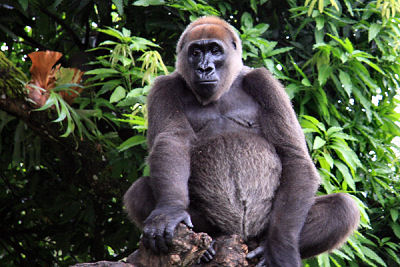
Cross River Gorilla (Gorilla gorilla diehli)
Introduction
In the mist-laden montane forests straddling the Nigeria-Cameroon border, a species stands at the absolute edge of biological survival. The Cross River Gorilla (Gorilla gorilla diehli) is not merely an endangered animal — it is a living ecological emergency. With fewer than 300 individuals distributed across a fragmented archipelago of highland forest patches, this subspecies of western gorilla holds the unenviable distinction of being the most critically imperilled great ape on Earth. Every individual represents an irreplaceable unit of genetic heritage, ecological function, and evolutionary history spanning millions of years.
The Cross River Gorilla was formally recognised as a distinct subspecies in 1904 by German zoologist Paul Matschie, who identified anatomical differences in skulls and teeth collected from the Cross River region of what was then German Kamerun. For decades, the subspecies received little scientific attention, lumped loosely with the broader western gorilla population. It was not until systematic surveys in the 1980s and particularly the comprehensive work of the Wildlife Conservation Society (WCS) in the late 1990s and 2000s that the true scale of the subspecies' isolation, uniqueness, and precariousness became apparent to the global conservation community.
What makes the Cross River Gorilla's situation so compelling — and so alarming — is the convergence of pressures it faces simultaneously. Habitat fragmentation has carved its range into eleven or twelve isolated forest islands, each housing only a handful of individuals. Hunting pressure, though reduced from historical peaks, remains a persistent threat in communities where bushmeat culture and protein scarcity intersect. Climate instability is already beginning to alter the montane forest composition that the subspecies depends upon. And underlying everything is the brutal arithmetic of small population biology: at these numbers, any additional mortality event, any reproductive failure, any disease outbreak carries the weight of potential subspecies extinction.
This analysis examines the Cross River Gorilla not as a static conservation case study but as a dynamic ecological system in crisis — one that illuminates broader truths about how fragmented tropical forests collapse, how primate societies disintegrate under pressure, and what it actually takes to pull a subspecies back from the boundary between existence and permanent absence.
"The fate of animals is to a degree the fate of man. What we do to them, we do ultimately to ourselves."
— Roger Caras, wildlife filmmaker and naturalist
The primary keyword anchoring this analysis is Cross River Gorilla conservation, with secondary keywords including Gorilla gorilla diehli, critically endangered gorilla subspecies, Cross River Gorilla IUCN status, Nigeria Cameroon great ape, and montane forest conservation. Semantic LSI terms woven throughout include great ape population viability, wildlife corridor ecology, tropical forest seed dispersal, primate genetic bottleneck, and community-based conservation Africa.
Population Dynamics
The most recent and rigorous population assessments place the total number of Cross River Gorillas at approximately 200 to 300 individuals in the wild, with a median working estimate of around 250 to 280 animals. These numbers are drawn from systematic camera trap surveys, nest-count methodologies, and DNA analysis of hair samples and dung collected across the subspecies' range. No Cross River Gorillas currently live in captivity, which means there is no insurance population to buffer against wild population collapse — a fact that distinguishes their conservation profile from that of the mountain gorilla, which has benefited from intensive hands-on management for decades.
These individuals are not distributed as a single connected population. They exist in eleven to twelve discrete subpopulations scattered across a roughly 12,000 square kilometre range on either side of the Nigeria-Cameroon border. Most of these groups contain only five to fifteen individuals, placing them well below the minimum viable population thresholds recommended in standard conservation biology. Groups this small are structurally fragile: the loss of a single breeding female, an experienced silverback, or a cohort of juvenile males can collapse the reproductive potential of an entire subgroup within a single generation.
Gorilla reproductive rates are among the lowest of any mammal. Females become sexually mature at approximately eight to nine years of age, but in the wild do not typically give birth until around twelve to fourteen years. Inter-birth intervals average four to five years, meaning a healthy female may produce only four to six offspring across her entire reproductive lifespan. Of those offspring, a proportion will not survive to reproductive age due to predation, disease, infanticide, nutritional stress, or accidental injury. The net reproductive output per female is therefore remarkably thin, and population recovery from any significant mortality event is measured in decades rather than years.
Juvenile survival among Cross River Gorillas is poorly documented due to the species' extreme shyness and the logistical difficulty of conducting behavioural observations in dense montane terrain. Unlike mountain gorillas, which have been habituated to human presence at sites like the Virunga Massif and Bwindi Impenetrable Forest, Cross River Gorillas flee at the slightest sign of human approach — a behavioural response almost certainly shaped by generations of hunting pressure. This wariness, while adaptive from an anti-predator standpoint, severely limits researchers' ability to track individual life histories, monitor infant development, or assess birth and mortality rates directly.
What population modelling has revealed, however, is deeply concerning. Population viability analyses conducted using known parameters suggest that with the current degree of fragmentation and the estimated mortality rates from hunting and habitat loss, several of the smaller subpopulations face local extinction within two to three decades without active intervention. The fundamental driver of population instability is not purely numerical — it is structural. When gorilla groups become too small to maintain normal social organisation, including male competition, female choice, and silverback leadership, reproductive rates decline independently of other pressures. Social dysfunction compounds demographic vulnerability.
Fun FactThe Cross River Gorilla is so rare that it was not photographed in the wild until 2003, when camera trap images captured by the Wildlife Conservation Society provided the first confirmed visual evidence of living wild individuals in over two decades.
Habitat Stability & Ecological Pressure
The Cross River Gorilla occupies a narrow ecological band of submontane and montane tropical forests distributed across the Cameroon Highlands and the Obudu Plateau of southeastern Nigeria. This region — the Cameroon-Nigeria Montane Forest Corridor — is recognised by WWF and other international bodies as one of the most biologically important areas in Africa, hosting extraordinary levels of plant and vertebrate endemism. But this biological richness exists within a landscape that has experienced severe and accelerating deforestation over the past six decades, driven by population growth, agricultural expansion, and commercial logging.
Nigeria holds the grim distinction of having one of the highest deforestation rates in the world relative to its remaining forest cover. Between 1990 and 2020, Nigeria lost over 90% of its primary forest. In the Cross River State — the heart of the gorilla's Nigerian range — forest clearance for subsistence farming, particularly slash-and-burn agriculture growing cassava, plantain, and cocoyam, has fragmented what was once a connected montane forest belt into a patchwork of isolated remnants. Each clearance event does not simply reduce available gorilla habitat by the area cleared; it also degrades the quality of surrounding forest by altering microclimatic conditions, increasing edge effects, and disrupting the continuous canopy structure that gorillas depend on for movement and foraging.
In Cameroon, the situation is complicated by a dual pressure system. Small-scale subsistence agriculture mirrors the Nigerian pattern, but large-scale commercial operations — including timber concessions, palm oil plantations, and cattle ranching — have introduced industrial-scale land conversion in areas adjacent to key gorilla habitat. The Lebialem Highlands, which host some of the most important Cameroonian gorilla subpopulations, have faced particular pressure from cattle grazing in highland forests, which directly destroys the understorey vegetation that gorillas rely on for food and shelter.
The tipping point concept is particularly relevant here. Ecologists have identified that when forest cover in a landscape drops below roughly 30%, the remaining patches lose disproportionate ecological function due to edge effects, species-area relationships, and isolation-driven extinction debt. Several sections of the Cross River Gorilla's range are now operating at or below this threshold. Once a forest fragment reaches this stage, even if physical clearance stops, the ecological processes maintaining that fragment — seed dispersal, predator regulation, microclimate buffering — begin to degrade autonomously. The habitat does not just stop shrinking; it begins to collapse from the inside.
Water availability is an increasingly critical pressure. The montane forests of the Cross River region are fed by seasonal rainfall patterns driven by the Gulf of Guinea monsoon system. These forests depend on consistently high annual precipitation — often exceeding 2,500mm — to maintain their structural complexity. Gorillas, particularly in the dry season, must range across larger areas to find adequate food and water. As forest fragments shrink, the internal water-retention capacity of each fragment declines, shortening the dry-season window during which gorillas can meet their physiological needs without crossing exposed agricultural land — a crossing that brings them into direct contact with humans and dramatically elevates their risk of being hunted.
Ecological Role (Keystone Analysis)
The Cross River Gorilla is a keystone seed disperser and a structural engineer of the montane forest ecosystem. Understanding its ecological role requires moving beyond the individual animal and examining the cascade of biological processes that depend on gorilla movement, feeding behaviour, and physical presence in the forest landscape.
Gorillas consume enormous quantities of fruit during periods of fruiting abundance, ingesting seeds whole and transporting them across distances of up to several kilometres before defecating. Seeds deposited in gorilla dung benefit from several advantages: they have been scarified by digestive acids, which improves germination rates for many species; they are deposited in nutrient-rich faecal material that provides immediate fertilisation; and they are distributed into forest gaps and secondary areas where light availability supports seedling establishment. Studies of western lowland gorilla seed dispersal have demonstrated that gorillas are effective long-distance dispersers for over 200 plant species, including many with large seeds that no other forest animal can effectively disperse. For the Cross River forest system, where many of these same tree species are present, the functional loss of gorillas would initiate a slow but irreversible shift in forest composition toward species whose seeds are dispersed by smaller animals or wind — typically smaller-seeded, less structurally complex species.
The question of what happens if the Cross River Gorilla disappears is not a hypothetical exercise in ecological theory — it is a predictive assessment with significant implications for the entire forest biome. Fruit-producing tree species that rely primarily on gorilla dispersal would face a dispersal deficit. Without adequate seed dispersal, these species would recruit only in the immediate vicinity of parent trees, leading to clumped, genetically uniform stands vulnerable to disease and climate stress. Over several tree generations — spanning centuries — the forest would become less diverse, less structurally complex, and less resilient to disturbance.
Beyond seed dispersal, gorillas contribute to the physical structure of the forest through their feeding and nesting behaviour. A gorilla group constructing nightly nests creates forest disturbance at a scale that promotes habitat heterogeneity — the diversity of microhabitats within a forest patch that is itself a predictor of overall biodiversity. Their selective feeding on certain plant species, including bamboo shoots, bark, and specific herbs, regulates the dominance of those species in ways that affect the competitive dynamics of the understorey community.
The trophic position of the Cross River Gorilla also matters. As large-bodied frugivores, gorillas compete with and complement other forest frugivores — chimpanzees, forest elephants, hornbills, and various primate species — in ways that regulate fruit resource availability and influence the reproductive timing of fruit trees. The complete removal of gorillas from this system would reorganise competitive dynamics among remaining frugivores, likely benefiting chimpanzees and forest elephants in the short term while ultimately reducing the efficiency of the overall dispersal network.
The rain had been steady since before dawn when the camera trap on the ridge at Mbe Mountains finally captured what field researchers had been waiting months to record. A silverback, massive and deliberate, moved through a section of secondary forest that had been selectively logged fifteen years earlier. Behind him, barely visible through the undergrowth, a juvenile picked at a fallen fruit — a wild fig — and stuffed it into his mouth with the unselfconscious urgency of the very young.
The silverback paused at the edge of a clearing — an old farm plot, long abandoned, now reverting to scrub. He stood at the treeline for nearly four minutes, surveying the open ground with an intelligence that was unmistakable even through the grainy infrared footage. He did not cross. He turned back into the forest, the juvenile following, and both disappeared into the shadow of the canopy.
That four-minute pause tells the whole story of the Cross River Gorilla's predicament. The forests that once connected these highlands across valleys and slopes are gone, replaced by farms, roads, and settlements. What remains are islands. And on each island, a handful of animals trying to navigate a world that has been subdivided around them without their consent.
The image — a silverback standing at the border between his world and ours — became one of the defining visuals of the WCS Cross River Gorilla Project. It was shared in conservation reports and international briefings not as a symbol of hope but as a document of consequence: this is what critically endangered looks like, standing still, at a forest edge, choosing not to cross.
Human-Wildlife Conflict
The relationship between human communities and the Cross River Gorilla is layered with historical, cultural, and economic complexity that simple "conflict" framing fails to capture — yet the practical outcome of that relationship has been overwhelmingly detrimental to the gorilla's survival. Bushmeat hunting, historically the most severe direct threat, has killed gorillas across the Cross River region for generations. Gorilla meat carries both nutritional and social value in some communities, and silverbacks in particular have been targeted for their size, which makes them symbolically significant as well as practically valuable as a food source.
The bushmeat trade in the Cross River region operates across a spectrum from subsistence hunting by local communities to a more organised commercial trade network that supplies urban markets in Calabar, Mamfe, and Bamenda. While international conservation pressure and improved law enforcement have reduced the scale of direct gorilla hunting since the early 2000s, the underlying drivers — protein scarcity, poverty, inadequate alternative livelihoods — remain structurally unchanged in many border communities. This means the threat can resurface rapidly when enforcement capacity weakens, as it did during periods of political instability in Cameroon's Anglophone regions from 2016 onward.
Agricultural expansion creates a subtler but equally damaging form of conflict. As farming communities clear forest for cultivation, gorillas are not only displaced — they are increasingly forced into confrontational contact with people. Crop raiding, while less documented for Cross River Gorillas than for mountain gorillas or chimpanzees due to their extreme wariness, does occur along forest-farm boundaries, particularly during periods of natural food scarcity. When a gorilla enters a farm plot and destroys cassava or plantain crops, the economic impact on subsistence farming families can be severe, generating retaliatory sentiment that increases the likelihood of individuals being reported to hunters or killed directly.
Infrastructure development represents a newer and rapidly escalating pressure. Road construction projects in both Nigeria and Cameroon — including the proposed Cross River State road network expansion and various Cameroon rural electrification infrastructure projects — have penetrated previously remote forest areas, opening previously inaccessible gorilla habitat to settlement and hunting. Roads are among the most transformative forces in tropical forest ecology: they do not simply displace wildlife from their immediate footprint but serve as vectors for colonisation, commercial hunting access, and agricultural encroachment extending kilometres into formerly protected forest.
The Anglophone crisis in Cameroon deserves specific attention as a compounding factor. The ongoing armed conflict between Cameroonian government forces and Anglophone separatist groups has severely disrupted conservation operations in the Southwest and Northwest Regions — precisely the areas hosting the most important Cameroonian Cross River Gorilla subpopulations. Anti-poaching patrols have been suspended in conflict zones, park rangers have abandoned remote posts, and community conservation programs have collapsed due to displacement and insecurity. The conflict has effectively removed institutional protection from significant portions of the subspecies' range at a moment when that protection is most critical.
Climate Change Vulnerability
The Cross River Gorilla's montane habitat places it in a climate zone that is undergoing measurable and accelerating change. The Cameroon Highlands and associated Nigerian montane zones have experienced average temperature increases of 0.5–0.8°C over the past four decades, with projections under moderate emissions scenarios suggesting an additional 1.5–2.5°C increase by 2100. For a species confined to cool montane forests, these shifts carry specific ecological consequences that compound the already severe pressures of habitat fragmentation and hunting.
Forest composition in montane systems is highly temperature-sensitive. Many of the tree species that produce the fruits, leaves, and bark that gorillas depend on are calibrated to specific temperature and rainfall regimes. As temperatures rise, lowland species will progressively colonise higher elevations, displacing montane specialists. This vegetational shift — sometimes called "upward biome creep" — effectively erodes the montane forest character of gorilla habitat, replacing it with transitional forest types that may provide less nutritional diversity. Gorillas with restricted ranging ability cannot simply shift their territories upslope to track their preferred habitat; the topography of the Cross River region limits the extent to which altitudinal migration is feasible.
Rainfall seasonality is equally critical. Phenological synchrony — the timing of fruiting relative to seasonal rainfall patterns — governs the availability of the energy-rich fruits that gorillas rely on to meet their caloric needs during critical periods such as lactation, growth spurts in juveniles, and the energetically expensive process of maintaining large body mass in adult silverbacks. If climate change disrupts the predictability of fruiting seasons, or if drought events reduce overall fruit production, gorillas will face increased nutritional stress with no capacity to compensate by expanding into alternative habitat.
Assessing the Cross River Gorilla's adaptive capacity requires honest acknowledgement of its limitations. Gorillas demonstrate moderate behavioural plasticity — they can shift dietary composition toward leaves, bark, and pith when fruit is scarce, and they can alter ranging patterns in response to food availability. However, their low reproductive rate means that evolutionary adaptation to changed conditions occurs over time scales of centuries to millennia. They cannot rapidly evolve physiological or behavioural responses to climate change in the way that short-generation insects or small mammals can. Their adaptive toolkit is largely behavioural, and the severely fragmented nature of their current habitat limits even the behavioural responses available to them.
Wildfire risk, while not historically a major feature of the wetter montane forests in the Cross River region, is projected to increase as dry seasons intensify and forest fragments lose their moisture-retention capacity. Isolated forest patches in a matrix of agricultural land are particularly vulnerable to fire spreading from farm-clearing activities. A single fire event in a small forest patch hosting one of the smaller gorilla subpopulations — groups of five to ten individuals — could functionally eliminate that subpopulation in a single season.
| Climate Risk Factor | Cross River Gorilla Impact | Adaptive Capacity |
|---|---|---|
| Temperature increase (1.5–2.5°C by 2100) | Montane forest composition shifts, fruiting phenology disruption | Low — altitudinal migration blocked by topography |
| Rainfall seasonality change | Nutritional stress, reduced fruit availability | Moderate — dietary shift to leaves and bark possible but suboptimal |
| Extended dry seasons | Water scarcity, increased human-gorilla contact at water points | Low — no alternative water sources in fragmented landscape |
| Wildfire risk increase | Catastrophic habitat loss in isolated forest patches | Very low — no escape corridors in fragmented habitat |
| Upward biome creep | Montane specialist species displaced by lowland flora | Low — range already at upper elevation limits in several areas |
Genetic Diversity Concerns
The genetic profile of the Cross River Gorilla population is perhaps the most alarming dimension of its conservation biology, and it is the dimension most likely to permanently compromise recovery even if the immediate threats of hunting and habitat loss are successfully addressed. With fewer than 300 individuals divided into eleven or twelve isolated subpopulations, the subspecies is operating at a level of genetic diversity so reduced that it threatens both immediate fitness and long-term evolutionary resilience.
Population genetic studies using microsatellite markers and mitochondrial DNA analysis have confirmed that Cross River Gorillas show significantly lower heterozygosity than western lowland gorillas, reflecting both the historical founding events that shaped the subspecies and the more recent fragmentation that has prevented gene flow between subpopulations. Critically, several of the smaller isolated groups appear to have been genetically isolated for long enough to have accumulated measurable inbreeding coefficients — a finding consistent with the observed geographic isolation and the absence of natural dispersal pathways between forest patches.
Inbreeding in great apes manifests through inbreeding depression: the expression of recessive deleterious alleles in homozygous offspring, leading to reduced immune function, lower reproductive success, higher juvenile mortality, and reduced physiological resilience to disease and environmental stress. In large, connected populations, these deleterious alleles are continuously diluted by incoming genetic variation from unrelated individuals. In isolated populations of fifteen or fewer animals, this dilution mechanism ceases to function, and the accumulation of homozygosity across generations becomes self-reinforcing.
The theory of minimum viable population size — generally estimated at 500 to 1,000 effective individuals for long-term evolutionary persistence — places the entire Cross River Gorilla population at a fraction of what would be required for genetic security. The effective population size is further reduced by unequal sex ratios, variance in reproductive success (dominant silverbacks sire the majority of offspring within a group), and the age structure of small isolated groups. In practice, the effective population size of the Cross River Gorilla may be substantially lower than the census count of 250 to 300 individuals suggests.
A particularly concerning implication of current genetic fragmentation is the loss of immunogenetic diversity. The major histocompatibility complex (MHC), which governs immune recognition of pathogens, requires broad diversity across a population to enable collective resistance to a wide range of disease agents. Populations with reduced MHC diversity are catastrophically vulnerable to novel pathogens — a risk that is particularly acute given the increasing human-gorilla interface in the Cross River region, where respiratory viruses and other zoonotic agents can pass between species. The catastrophic impact of respiratory disease outbreaks on critically small gorilla populations has been documented in other subspecies, most notably in mountain gorillas.
Fun FactCross River Gorillas share approximately 98.3% of their DNA with humans — a genetic proximity that makes them exceptionally vulnerable to human diseases, including common respiratory infections that cause little harm to people but can be fatal in gorillas with limited immunogenetic diversity.
Conservation Engineering Solutions
The conservation challenge posed by the Cross River Gorilla is not simply one of protection — it is one of active ecological engineering at landscape scale. Protecting what remains is necessary but insufficient. What is required is the reconstruction of ecological connectivity, the restoration of habitat quality, the management of human pressure, and the monitoring infrastructure needed to detect and respond to threats in near real time. Each of these elements involves distinct technical approaches that must function simultaneously and in coordination.
Wildlife corridor design is the central engineering challenge. The eleven to twelve isolated subpopulations will remain genetically and demographically isolated until physical landscape connections are restored between the forest patches they occupy. Corridor design for gorillas is technically demanding: corridors must be wide enough to provide genuine interior habitat rather than narrow strips of exposed edge forest, and they must traverse terrain that gorillas are physiologically and behaviourally capable of using. Topographic analysis combined with least-cost path modelling, incorporating variables such as forest cover, elevation change, agricultural intensity, and human settlement density, has been used by WCS and collaborating researchers to identify priority corridor routes in both Nigeria and Cameroon. The Mbe Mountains–Afi Mountain Wildlife Sanctuary corridor in Nigeria and the Takamanda–Mone connection in Cameroon have been identified as the highest-priority restoration targets. Active reforestation along these routes, using native tree species with known ecological value for gorillas, is essential — passive forest recovery in heavily degraded areas proceeds too slowly to be strategically useful on the time scales relevant to gorilla population dynamics.
Camera trap networks have transformed monitoring capability in the Cross River region over the past two decades. The deployment of several hundred camera traps across gorilla range areas has enabled population surveys that would be impossible through direct observation given the subspecies' extreme shyness. AI-assisted image analysis tools — including automated species recognition platforms trained on large datasets of great ape images — have dramatically reduced the time required to process camera trap data, enabling near-real-time monitoring of gorilla presence and group composition across large areas. This monitoring infrastructure also generates anti-poaching intelligence by detecting human incursion into protected zones, enabling faster ranger response.
Community-based conservation programming is the social engineering dimension of the problem. No purely technical or enforcement-based approach can sustainably protect gorillas in a landscape where rural communities derive economic benefit from forest resources and face genuine livelihood constraints. Programs that provide alternative protein sources through livestock improvement and fishery development, that support community forest management with benefit-sharing mechanisms, and that create economic incentives for gorilla conservation through community-owned ecotourism infrastructure have demonstrated measurable reductions in hunting pressure in analogous landscapes. The Mbingo community reserve in Cameroon and the Afi community forest in Nigeria provide early models of this approach, though scaling these models to cover the entire subspecies range remains a major unresolved challenge.
Veterinary intervention capacity is increasingly recognised as a necessary component of Cross River Gorilla conservation. The development of a rapid-response veterinary capacity capable of treating injured or disease-affected gorillas — particularly in the context of snare injuries and respiratory disease outbreaks — requires investment in trained personnel, medical supplies, and knowledge transfer from the mountain gorilla veterinary programs operated by the Mountain Gorilla Veterinary Project. Establishing even a minimal disease surveillance system around gorilla range areas, monitoring human communities for respiratory pathogens that could spill over into gorilla populations, would represent a significant advance in risk management.
Ecosystem Interdependence
The Cross River Gorilla does not exist in ecological isolation. It is embedded in a web of biological interdependencies that connect it to dozens of other species, to the physical forest structure, and to the broader watershed and climate system of the Cameroon Highlands. Understanding these connections is essential for appreciating why the gorilla's decline carries consequences that extend far beyond the subspecies itself.
The frugivory-seed dispersal mutualism between gorillas and the forest's large-seeded tree species represents one of the most ecologically significant of these connections. Species in genera such as Panda, Cola, Aframomum, and several large-seeded Ficus varieties are dependent on large-bodied primates for effective long-distance seed dispersal. Without gorilla dispersal, these species would experience a fundamental shift in their recruitment ecology — seeds would concentrate beneath parent trees, seedling competition would intensify, and recruitment rates would decline. Over forest generations, this manifests as a simplification of forest structure: fewer large, old-growth trees of diverse species, a more uniform and less productive canopy.
This forest simplification would cascade upward through the food web. Specialist frugivores dependent on the fruit diversity provided by old-growth, large-seeded tree assemblages — including certain hornbill species, forest elephants, and several smaller primate species including the drill (Mandrillus leucophaeus), itself critically endangered — would face reduced food security. Reduced frugivore diversity would further impair the dispersal network for other plant species, accelerating the compositional shift toward a less diverse forest type. This process, sometimes called "defaunation-driven vegetation change," has been documented in forest systems that have lost their large-frugivore guilds, confirming that the theoretical models accurately predict real-world outcomes.
Gorillas also interact with the forest's nutrient cycling system through their dung. Gorilla faeces deposited across the landscape represent a significant input of nitrogen, phosphorus, and organic carbon into forest soils, particularly in areas where these nutrients may be limited by the leaching effects of high rainfall. This nutrient input, concentrated along gorilla movement paths and at favoured resting and nesting sites, creates spatial heterogeneity in soil fertility that supports distinct plant community compositions — effectively, gorillas function as nutrient pumps, redistributing fertility across the landscape in ways that complement rather than duplicate the inputs made by other large mammals.
The relationship between gorillas and chimpanzees in the Cross River ecosystem warrants specific attention. Both species are present across much of the gorilla's range, and they compete for many of the same fruit resources, particularly during periods of low fruit abundance. Research in sites where both species have been studied suggests that gorillas and chimpanzees avoid direct competition through partial temporal and spatial separation — gorillas are more likely to consume terrestrial herbaceous vegetation and bark during fruit scarcity, while chimpanzees maintain a more consistently frugivorous diet. The removal of gorillas from this two-species system would likely result in increased chimpanzee use of terrestrial food sources, altering the competitive dynamics of the understorey food web in ways that are currently incompletely understood.
Fun FactA single Cross River Gorilla group can disperse seeds of up to 50 or more plant species in a single day during peak fruiting season, making each gorilla a mobile ecological investment in the long-term structural diversity of the forest.
Future Extinction Risk Modelling
Formal extinction risk modelling for the Cross River Gorilla has been conducted by several research groups using population viability analysis (PVA) frameworks, and the results consistently point toward a high probability of total subspecies extinction within 50 to 100 years under business-as-usual conditions. These models incorporate parameters including estimated population size, reproductive rates, adult and juvenile survival probabilities, carrying capacity of current habitat, and stochastic environmental variation. Their conclusions are not alarmist extrapolations — they are probabilistic outputs from conservative models applied to well-documented demographic data.
The most cited modelling work suggests that under current threat trajectories — including continued habitat loss at observed rates and a modest residual hunting pressure — extinction probability for the full subspecies over 100 years exceeds 80%. Under optimistic intervention scenarios — effective enforcement, partial corridor restoration, and a 50% reduction in hunting pressure — the models project significantly reduced but still substantial extinction risk, in the range of 30 to 50% over the same period. This range illustrates a fundamental conservation truth: intervention can meaningfully shift the odds, but it cannot guarantee recovery for a population this small.
The concept of extinction debt is critically relevant here. Even if all direct threats were eliminated today, the Cross River Gorilla population would still face an inherited demographic burden from decades of fragmentation. Small isolated subpopulations are subject to genetic drift, inbreeding depression, and demographic stochasticity — random variation in birth and death rates — that can drive extinction independently of external threats. Some of the smallest subpopulations may already be past the threshold where they can recover without assisted gene flow or direct augmentation from other groups.
Metapopulation theory offers a framework for understanding how the subspecies as a whole might persist even if individual subpopulations remain vulnerable. If conservation corridors can be restored sufficiently to enable occasional gene flow and demographic rescue between subpopulations — even at low rates — the extinction probability for the full subspecies can be reduced substantially. Modelling by the IUCN Primate Specialist Group suggests that achieving gene flow equivalent to one or two migrants per generation between currently isolated subpopulations could reduce inbreeding rates to levels that maintain adaptive potential over the relevant conservation time horizon. This is not a remote aspiration — it is a specific, measurable conservation target that can guide corridor design and restoration investment.
Disease-driven extinction scenarios also require inclusion in risk modelling frameworks. The emergence of a highly transmissible respiratory pathogen in human communities adjacent to gorilla habitat — not a hypothetical scenario given the demonstrated spillover of human respiratory viruses into great ape populations in Central Africa — could reduce an already critically small population by a significant fraction within a single transmission season. Monte Carlo simulations incorporating stochastic disease outbreak events consistently increase modelled extinction probability beyond the baseline projections from habitat loss and hunting alone.
| Scenario | Intervention Level | 100-Year Extinction Probability | Key Assumption |
|---|---|---|---|
| Business as usual | None | >80% | Current habitat loss and hunting rates continue |
| Enhanced enforcement only | Low | 60–70% | Hunting reduced by 70%; habitat loss unchanged |
| Partial corridor restoration | Moderate | 40–55% | Two corridors restored; hunting maintained at reduced level |
| Full intervention programme | High | 25–40% | All corridors restored, hunting near-zero, disease monitoring active |
| Disease outbreak event | Any | +15–25% added to baseline | Single major respiratory pathogen spillover event |
Conservation Policy & Governance
The Cross River Gorilla is protected under national legislation in both Nigeria and Cameroon, and internationally listed under Appendix I of the Convention on International Trade in Endangered Species of Wild Fauna and Flora (CITES), which prohibits all commercial trade in the subspecies or its parts. It also receives protection under the Agreement on the Conservation of Gorillas and Their Habitats (Gorilla Agreement), a legally binding multilateral instrument under the Convention on Migratory Species (CMS) that covers all gorilla subspecies across ten range states. On paper, the legal framework protecting the Cross River Gorilla is substantial. In practice, implementation is severely constrained by governance capacity, institutional funding, and political will.
In Nigeria, the Cross River Gorilla is formally protected within the Afi Mountain Wildlife Sanctuary, the Mbe Mountains Community Forest, and the Cross River National Park — a system of protected areas that together represent the most important conservation landscape for the subspecies in Nigeria. However, protected area effectiveness in Nigeria is chronically undermined by inadequate funding for ranger salaries, patrol equipment, and operational logistics. The Cross River National Park, which at 400,000 hectares is potentially one of the most important biodiversity refuges in West Africa, has historically operated with a ranger-to-area ratio far below internationally recommended standards, leaving vast sections of its interior effectively unpatrolled.
In Cameroon, the Takamanda National Park and the Kagwene Gorilla Sanctuary were established specifically with Cross River Gorilla conservation as a central mandate — the Kagwene Sanctuary, gazetted in 2008, was the first protected area in Africa created specifically for a gorilla subspecies. These institutional commitments represent genuine policy achievements. But as noted earlier, the Anglophone political crisis has severely disrupted conservation operations in these areas, and the restoration of effective governance capacity in Cameroon's Cross River Gorilla range remains contingent on a political resolution that is not currently in sight.
Transboundary coordination between Nigeria and Cameroon is essential for the subspecies' survival — its range straddles the international border, and subpopulations in each country's protected areas form parts of the same biological metapopulation. A bilateral transboundary conservation framework, the Nigeria-Cameroon Montane Forest Conservation Program, has operated with support from WCS, WWF, and international donors to coordinate cross-border patrol activities, share monitoring data, and harmonise community conservation approaches. This program represents best-practice transboundary conservation governance but operates on donor funding that is inherently cyclical and subject to interruption.
Indigenous and community governance systems carry significant untapped potential as conservation instruments in the Cross River region. Many forest areas outside formal protected area boundaries are managed under traditional community ownership systems that historically regulated hunting and forest use through customary law. Where these systems retain institutional legitimacy — as in some Mbe Mountains communities — they can be leveraged as effective conservation instruments that are more deeply embedded in local social structure than externally designed programs. Supporting the revitalisation and formal recognition of these community governance systems, including legal frameworks for community forest rights, represents both a conservation strategy and a matter of environmental justice.
"Conservation is a state of harmony between men and land."
— Aldo Leopold, A Sand County Almanac
IUCN Red List Analysis
Current IUCN Status
The Cross River Gorilla (Gorilla gorilla diehli) is classified as Critically Endangered (CR) on the IUCN Red List of Threatened Species. This represents the highest threat category applied to any wildlife taxon that is not already classified as Extinct or Extinct in the Wild. The Critically Endangered designation is applied under IUCN criteria when a taxon faces an extremely high risk of extinction in the wild, operationalised through quantitative thresholds relating to population size, population decline rate, geographic range restriction, and quantitative extinction probability analysis.
For the Cross River Gorilla, the CR classification is triggered under multiple independent criteria simultaneously. Under Criterion C (small and declining population size), the total population of fewer than 250 mature individuals meets the threshold for CR classification, as does the estimated continued decline in population due to ongoing habitat loss and residual hunting pressure. Under Criterion B (restricted geographic range), the subspecies qualifies under B2 (area of occupancy), with its occupied range fragmented into fewer than ten locations — actually eleven to twelve subpopulations each facing independent extinction risks. Under Criterion D (very small or restricted population), the population of fewer than 250 individuals directly meets the CR threshold regardless of other criteria.
The scientific justification for the CR classification is thus multi-layered and independently robust: the gorilla qualifies as Critically Endangered on population size alone, on geographic restriction alone, and on observed decline rate alone. This convergence of qualifying criteria reflects the genuinely extreme nature of the subspecies' conservation situation and distinguishes it from taxa that achieve CR status on the basis of a single borderline parameter.
Population Trend
The population trend for the Cross River Gorilla is assessed by the IUCN as decreasing. While direct evidence of year-on-year population change is difficult to obtain given the monitoring challenges described earlier, all available indicators — rates of habitat loss, residual hunting pressure, subpopulation size data from camera trap surveys, and model projections — point toward a continuing decline in total population size. There is no current evidence of population recovery or stabilisation across the subspecies' full range.
Historical estimates suggest that Cross River Gorillas were significantly more numerous prior to the intensification of hunting and agricultural expansion in the twentieth century. Oral history accounts from elder community members in Cross River State describe gorilla encounters as common in areas where no gorillas have been recorded for decades, suggesting a substantial geographic contraction of the subspecies' range over the past century. Quantifying the historical population size is impossible, but the loss of range area implied by these accounts is consistent with population reductions of 50% or more from historical baseline levels.
Within the current assessed period, the population is estimated to have declined by at least 20 to 30% over the past three gorilla generations (a generation is approximately 22 years for gorillas), consistent with the sustained habitat loss and hunting pressure documented across the range. The absence of any confirmed population growth in any monitored subpopulation during recent survey periods further confirms the declining trend. The most optimistic available interpretation — that decline rates may have slowed in the most intensively protected areas — does not constitute evidence of recovery.
Main Threats
Habitat destruction and fragmentation constitutes the primary structural threat driving the Cross River Gorilla's decline. Deforestation for agriculture, logging, and infrastructure development has reduced and fragmented the subspecies' forest habitat to the degree that connectivity between subpopulations has been effectively severed in most parts of the range. The removal of forest does not simply reduce available living space — it degrades the ecological quality of remaining fragments, exposes gorillas to human contact, and eliminates the food resource diversity required to sustain groups through seasonal variation in fruit availability.
Hunting and poaching remains the most acute direct threat to individual gorilla survival. Even where the commercial bushmeat trade has been reduced by enforcement and community engagement, opportunistic killing of gorillas persists in several areas. Gorillas encountered in forest-farm boundary zones — areas of inherently elevated human-gorilla contact — are particularly vulnerable. Each individual killed represents a disproportionate demographic impact on a population of fewer than 300 animals: the killing of a single breeding female effectively removes several potential offspring from the subspecies' future and may destabilise the social structure of an entire group.
Disease transmission from human populations represents an increasingly recognised threat. Respiratory pathogens — including strains of human coronavirus, influenza, respiratory syncytial virus, and metapneumovirus — have caused documented mortality in other gorilla populations in Central Africa. The Cross River Gorilla's lack of exposure-based immunity, combined with its reduced immunogenetic diversity, makes disease spillover events potentially catastrophic. Forest-edge communities where gorillas and people share water sources and habitat boundaries create ongoing transmission opportunities.
Political instability in Cameroon's Anglophone regions has functionally removed enforcement and conservation infrastructure from critical parts of the subspecies' range since 2016, creating a governance vacuum that hunting networks have exploited. This threat is distinct from the other pressures in being fundamentally unpredictable in duration and resolution, making it exceptionally difficult to address through conventional conservation planning.
Ecological Consequences
The continued decline of the Cross River Gorilla population carries cascading ecological consequences that extend well beyond the fate of the subspecies itself. As the subspecies' numbers fall below functional ecological thresholds in individual forest patches, the seed dispersal services it provides will progressively fail — not all at once, but patch by patch, as subpopulations wink out and forest regeneration in those areas shifts toward less diverse, smaller-seeded species assemblages. This process, operating over forest generation timescales, will gradually alter the structural and compositional character of the Cross River montane forest ecosystem in ways that are difficult to reverse.
The loss of the Cross River Gorilla would represent a significant reduction in the overall great ape conservation network in West Africa. The subspecies currently serves as a flagship species for conservation investment in the Cross River region — its charisma and uniqueness attract international funding, political attention, and community engagement that benefit the full suite of species sharing its habitat, including the Nigeria-Cameroon chimpanzee, the drill, the African forest elephant, and hundreds of endemic plant and invertebrate species. The extinction of the gorilla would likely reduce the region's conservation profile and the funding flows that currently support the broader conservation infrastructure.
Forest carbon storage dynamics would also be affected. Old-growth montane forests maintained by intact ecological communities, including large frugivores such as gorillas, store significantly more carbon than structurally simplified secondary forests. The progressive simplification of the Cross River forest ecosystem following gorilla loss would likely result in a measurable reduction in carbon stock, contributing marginally but tangibly to regional greenhouse gas dynamics.
Conservation Efforts
The Wildlife Conservation Society has operated a dedicated Cross River Gorilla conservation program since the late 1990s, conducting population surveys, supporting anti-poaching operations, and developing community conservation frameworks across both the Nigerian and Cameroonian portions of the subspecies' range. WCS has also led the development of the Cross River Gorilla Action Plan — a strategic conservation roadmap endorsed by the governments of both range states that identifies priority actions across habitat protection, hunting reduction, community engagement, and monitoring.
The establishment of protected areas specifically for the subspecies — particularly the Kagwene Gorilla Sanctuary in Cameroon and the Afi Mountain Wildlife Sanctuary in Nigeria — represents a significant institutional commitment to Cross River Gorilla conservation. These areas provide a legal and operational framework for protection, even if their practical effectiveness depends on the funding and governance capacity to enforce that protection. The Cross River National Park, Nigeria's largest national park, provides a larger-scale habitat matrix that contextualises these smaller dedicated reserves.
Community forest agreements in the Mbe Mountains area of Nigeria, developed through a collaborative process involving local communities, WCS, the Nigerian Conservation Foundation, and the Cross River State Forestry Commission, represent a model of community-based conservation that has demonstrated measurable reductions in hunting pressure through community monitoring, economic benefit-sharing, and the integration of traditional conservation values. WWF-Cameroon runs parallel community engagement programs in the Cameroonian part of the range, focused on building community ownership of gorilla conservation through livelihood support and environmental education.
International funding support from the European Union, the Great Apes Survival Partnership (GRASP), the US Fish and Wildlife Service African Elephant Conservation Fund (extended to great apes), and several private conservation foundations has sustained the operational capacity of these programs, though funding continuity remains a persistent vulnerability. Scientific support from institutions including the Max Planck Institute, the University of Göttingen, and the San Diego Zoo Global has advanced the knowledge base on Cross River Gorilla genetics, ecology, and behaviour that informs conservation decision-making.
Future Outlook
The future outlook for the Cross River Gorilla is serious but not yet foreclosed. The species remains on the knife-edge between potential recovery and irreversible decline, and the direction of travel will be determined in large part by conservation decisions and political developments over the next decade — a window that population viability models consistently identify as the critical intervention period before demographic and genetic deterioration in the smallest subpopulations becomes functionally irreversible.
The most realistic path to long-term survival requires three simultaneous achievements: the restoration of at least partial ecological connectivity between the major subpopulation clusters, the near-complete elimination of hunting through sustained community engagement and enforcement, and the stabilisation of the political environment in Cameroon to allow conservation operations to resume in currently inaccessible range areas. None of these achievements is impossible. None is guaranteed. And the convergence of all three within the necessary time frame represents a formidable governance and implementation challenge.
If these conditions can be met, PVA modelling suggests that the subspecies has a realistic probability of stabilising at current population levels and potentially recovering toward several hundred individuals over the course of two to three generations. This is not a thriving population by any measure — it would still be genetically impoverished and demographically fragile — but it would represent a survivable equilibrium from which further recovery becomes possible. The alternative — continued decline without sustained intervention — leads with high probability to subspecies extinction within this century, making the Cross River Gorilla one of the first great ape subspecies to be lost since the historical record began.
Conclusion
The Cross River Gorilla is the rarest great ape on Earth, and its survival constitutes one of the most urgent and consequential conservation challenges of this generation. In fewer than 300 individuals distributed across a dozen forest fragments on the Nigeria-Cameroon border, the subspecies holds not only its own evolutionary heritage but an irreplaceable ecological function — seed disperser, forest engineer, flagship species for one of Africa's most biodiverse but imperilled landscapes.
What this analysis has demonstrated is that the threats to the Cross River Gorilla are systemic rather than isolated. Habitat fragmentation, hunting pressure, genetic erosion, climate vulnerability, and governance failure do not operate independently — they amplify each other through feedback loops that accelerate the trajectory toward extinction faster than any single threat would produce alone. A subspecies facing genetic bottlenecking cannot absorb the disease risk that comes with reduced immune diversity. A population confined to isolated patches cannot respond to climate shifts through range adjustment. A conservation programme operating in a conflict zone cannot maintain the continuity of protection that population recovery requires. Understanding the system as a whole is the prerequisite for intervening in it effectively.
Conservation engineering — in the form of corridor restoration, camera trap networks, community-based governance, and veterinary capacity — provides the technical toolkit for intervention. But the application of that toolkit depends on political will, sustained international funding, and the active engagement of the communities whose forests and livelihoods are inseparably connected to the gorilla's survival. Technical solutions without social licence are architecture without foundations.
The Cross River Gorilla's situation is a mirror held up to the broader story of biodiversity loss in the twenty-first century: a species whose extinction is not inevitable but is highly probable under current conditions, whose survival is achievable but only with sustained effort across multiple disciplines and jurisdictions, and whose loss would constitute not merely the extinction of a subspecies but the unravelling of ecological relationships that have shaped one of Africa's most complex forest ecosystems for millions of years. The choice — and it is a choice — remains available for now. The window in which that choice remains open is not unlimited.
Sources & Attribution
Data and ongoing research referenced for this article come from the following authoritative sources — peer-reviewed publishers, official taxonomic registers, and global biodiversity programmes:
- IUCN Red List — Cross River Gorilla — official IUCN Red List assessment including population trend, threats, and conservation actions.
- Wikipedia — Cross River Gorilla — taxonomy, distribution, and an overview with onward citations to primary literature.
- GBIF — Cross River Gorilla — global occurrence and distribution records from the Global Biodiversity Information Facility.
- iNaturalist — Cross River Gorilla — observation records and field photographs contributed by naturalists worldwide.
- Encyclopedia of Life — Cross River Gorilla — multilingual species pages aggregating taxonomic and natural-history data.
- WWF — World Wildlife Fund — global wildlife conservation programmes and research summaries.
- Nature — research on Cross River Gorilla — peer-reviewed studies indexed by Nature on related ecology and behaviour.
- ITIS — Integrated Taxonomic Information System — federal-grade taxonomy and nomenclature.
Frequently Asked Questions
How many Cross River Gorillas are left in the wild?
Current population estimates place the total number of Cross River Gorillas at approximately 200 to 300 individuals in the wild. These animals are distributed across eleven to twelve isolated subpopulations in the highland forests straddling the Nigeria-Cameroon border. No Cross River Gorillas exist in captivity, meaning there is no backup population to buffer against wild population decline.
The small size of these subpopulations — most containing only five to fifteen individuals — makes them individually fragile and collectively at serious risk. The loss of even a single breeding female in one of the smaller groups can significantly reduce that subgroup's reproductive potential for years to come.
Why is the Cross River Gorilla critically endangered?
The Cross River Gorilla is classified as Critically Endangered by the IUCN due to its extremely small population size, the severe fragmentation of its habitat, continued hunting pressure, and the absence of any confirmed population recovery. The subspecies meets the Critically Endangered threshold independently under multiple IUCN criteria, reflecting the genuinely extreme nature of its conservation situation.
The combination of a naturally low reproductive rate — females may produce only four to six surviving offspring across their entire lives — with the ongoing pressures of habitat destruction and residual poaching means the population cannot replace individuals as fast as it loses them. This demographic imbalance, sustained over decades, has brought the subspecies to its current precarious state.
Where does the Cross River Gorilla live?
The Cross River Gorilla occupies a narrow zone of submontane and montane tropical forests along the Nigeria-Cameroon border, within a range of approximately 12,000 square kilometres. Key protected areas within this range include the Cross River National Park and Afi Mountain Wildlife Sanctuary in Nigeria, and the Takamanda National Park and Kagwene Gorilla Sanctuary in Cameroon.
The subspecies is named after the Cross River, which drains the region and gives the broader biodiversity hotspot its identity. The Cameroon Highlands and Obudu Plateau provide the altitudinal gradient — from roughly 150 to 1,600 metres above sea level — that characterises the gorilla's habitat. This region is also one of the most botanically rich areas in Africa, with high levels of plant and vertebrate endemism.
How is the Cross River Gorilla different from other gorilla subspecies?
The Cross River Gorilla is one of two subspecies of the western gorilla (Gorilla gorilla), the other being the western lowland gorilla (Gorilla gorilla gorilla). It was formally distinguished as a subspecies based on measurable differences in skull morphology, dental characteristics, and hand and foot proportions identified from museum specimens and field-collected remains. Genetically, it forms a distinct lineage within the western gorilla species.
Behaviourally, the Cross River Gorilla is markedly more shy and wary of humans than the western lowland gorilla — a response almost certainly shaped by the long history of hunting pressure in its range. This wariness has made direct behavioural observation extremely difficult and distinguishes the subspecies from mountain and western lowland gorillas that have been successfully habituated to human presence for tourism and research.
| Feature | Cross River Gorilla | Western Lowland Gorilla | Mountain Gorilla |
|---|---|---|---|
| Scientific name | Gorilla gorilla diehli | Gorilla gorilla gorilla | Gorilla beringei beringei |
| IUCN Status | Critically Endangered | Critically Endangered | Endangered |
| Estimated population | ~250–300 | ~100,000+ | ~1,000+ |
| Primary habitat | Montane forest, Nigeria-Cameroon border | Lowland tropical forest, Central Africa | High-altitude montane forest, Virungas/Bwindi |
| Human habituation | Very low — extremely shy | Moderate (limited ecotourism sites) | High (ecotourism established) |
| Captive population | None | Substantial (zoological institutions) | None |
What is being done to protect the Cross River Gorilla?
Conservation efforts for the Cross River Gorilla are led by the Wildlife Conservation Society, WWF, the Nigeria Conservation Foundation, and the governments of Nigeria and Cameroon, supported by international funding from the EU, GRASP, and various private foundations. These efforts span protected area management, anti-poaching operations, community-based conservation programmes, and ecological research including camera trap monitoring and genetic sampling.
The Cross River Gorilla Action Plan, the establishment of the Kagwene Gorilla Sanctuary, and community forest agreements in the Mbe Mountains represent the most significant institutional achievements of recent decades. Wildlife corridor design and reforestation programmes targeting connectivity restoration between isolated subpopulations represent the current conservation frontier, with several priority corridor routes identified through landscape modelling.
Can Cross River Gorillas recover from near extinction?
Recovery is biologically possible but requires sustained, multi-decadal intervention on several fronts simultaneously. Population viability analyses indicate that under an optimistic but achievable intervention scenario — combining near-complete elimination of hunting, partial habitat corridor restoration, and continued disease monitoring — the probability of subspecies survival over 100 years improves significantly relative to business-as-usual projections. However, even under optimistic scenarios, extinction probability remains non-trivial due to the genetic legacy of decades of fragmentation.
The critical variable is time. The window for effective intervention is not indefinite — as the smallest subpopulations continue to lose genetic diversity and demographic resilience, the difficulty and cost of recovery increases while the probability of achieving it decreases. Acting within the next decade is qualitatively different from acting in twenty years. The gorilla's low reproductive rate means that recovery, once initiated, will be slow — measured in gorilla generations spanning decades — but it can be genuine and durable if the underlying threats are addressed.
What role does the Cross River Gorilla play in its ecosystem?
The Cross River Gorilla functions as a keystone seed disperser and forest structural engineer within the montane forests of the Nigeria-Cameroon border region. Gorillas consume and disperse the seeds of hundreds of plant species, including many large-seeded tree species that have no effective alternative dispersal mechanism. Their foraging and nesting behaviour creates habitat heterogeneity — microhabitat diversity within forest patches — that supports broader biodiversity including insects, birds, and smaller mammals.
The gorilla's loss from this system would initiate a slow but measurable shift in forest composition away from the diverse, large-seeded, old-growth tree community toward a simpler, less productive forest structure. This change would cascade through the food web, affecting other frugivore species that depend on the same fruit resources and ultimately reducing the ecological resilience of the entire forest system.
Is the Cross River Gorilla affected by climate change?
Yes, and with particular severity given the subspecies' confinement to montane habitat and its inability to respond to environmental change through range expansion. Temperature increases in the Cameroon Highlands are driving compositional changes in the montane forest communities that the gorilla depends on, while shifts in rainfall seasonality threaten the phenological synchrony between fruiting seasons and the gorilla's nutritional requirements. These changes compound existing fragmentation pressures in ways that standard conservation planning has historically underweighted.
The gorilla's adaptive capacity is limited. While gorillas can adjust their diet toward leaves and bark when fruit is scarce, they cannot rapidly evolve physiological responses to warming temperatures or track preferred habitat types across the landscape when corridors between patches are absent. Climate change therefore represents both a direct threat and a multiplier of existing threats — a combination that must be factored explicitly into long-term conservation planning for the subspecies.
Why are Cross River Gorillas hunted?
Hunting of Cross River Gorillas has historically been driven by a combination of bushmeat culture, protein scarcity, and commercial trade in wildlife products. In communities with limited access to alternative protein sources — livestock, fish, and legumes — wild game including great apes has formed part of the traditional diet. Gorilla meat, particularly from large silverbacks, carries symbolic status in some cultural contexts that amplifies its commercial value beyond its nutritional contribution.
Contemporary hunting is more likely to be opportunistic — gorillas encountered at forest-farm boundaries during crop-raiding incidents — than organised commercial hunting targeting gorillas specifically. Law enforcement, community engagement, and the strong international profile of the subspecies have substantially reduced direct organised hunting since the early 2000s. However, the underlying drivers of protein scarcity and limited alternative livelihoods mean the risk is structural and persistent, not eliminated.
What is the Cross River Gorilla's IUCN Red List classification?
The Cross River Gorilla is classified as Critically Endangered (CR) on the IUCN Red List — the highest threat category for any species not yet extinct. The subspecies qualifies for this designation under multiple independent IUCN criteria, including population size below 250 mature individuals, severe geographic restriction and fragmentation, and observed continuing population decline. It is considered the world's most endangered great ape subspecies.
The CR classification has been maintained across successive IUCN assessments, reflecting the absence of any confirmed population recovery that would justify downlisting. The population trend is assessed as decreasing, and all available evidence — habitat loss rates, residual hunting data, subpopulation size surveys — is consistent with continued decline in the absence of substantially escalated conservation intervention.
How does habitat loss affect Cross River Gorilla populations specifically?
Habitat loss affects Cross River Gorillas through at least four distinct mechanisms operating simultaneously. First, direct area reduction reduces the food resource base available to gorilla groups, increasing nutritional stress particularly in the dry season. Second, fragmentation of the forest landscape into isolated patches prevents the dispersal of juvenile males — the natural mechanism by which gene flow occurs between groups — leading to genetic isolation and inbreeding. Third, forest edges created by clearance expose gorillas to human contact, increasing the risk of hunting and disease transmission. Fourth, the loss of interior forest microclimate conditions degrades the quality of remaining habitat beyond what the simple area reduction would suggest.
Each of these mechanisms individually would be manageable if the others were absent. Their simultaneous operation in all parts of the gorilla's range creates a multi-front ecological emergency from which the subspecies has no viable escape without active intervention in multiple dimensions at once.
Image: Wikipedia/Wikimedia Commons — “Cross River gorilla”
Comments
Post a Comment