
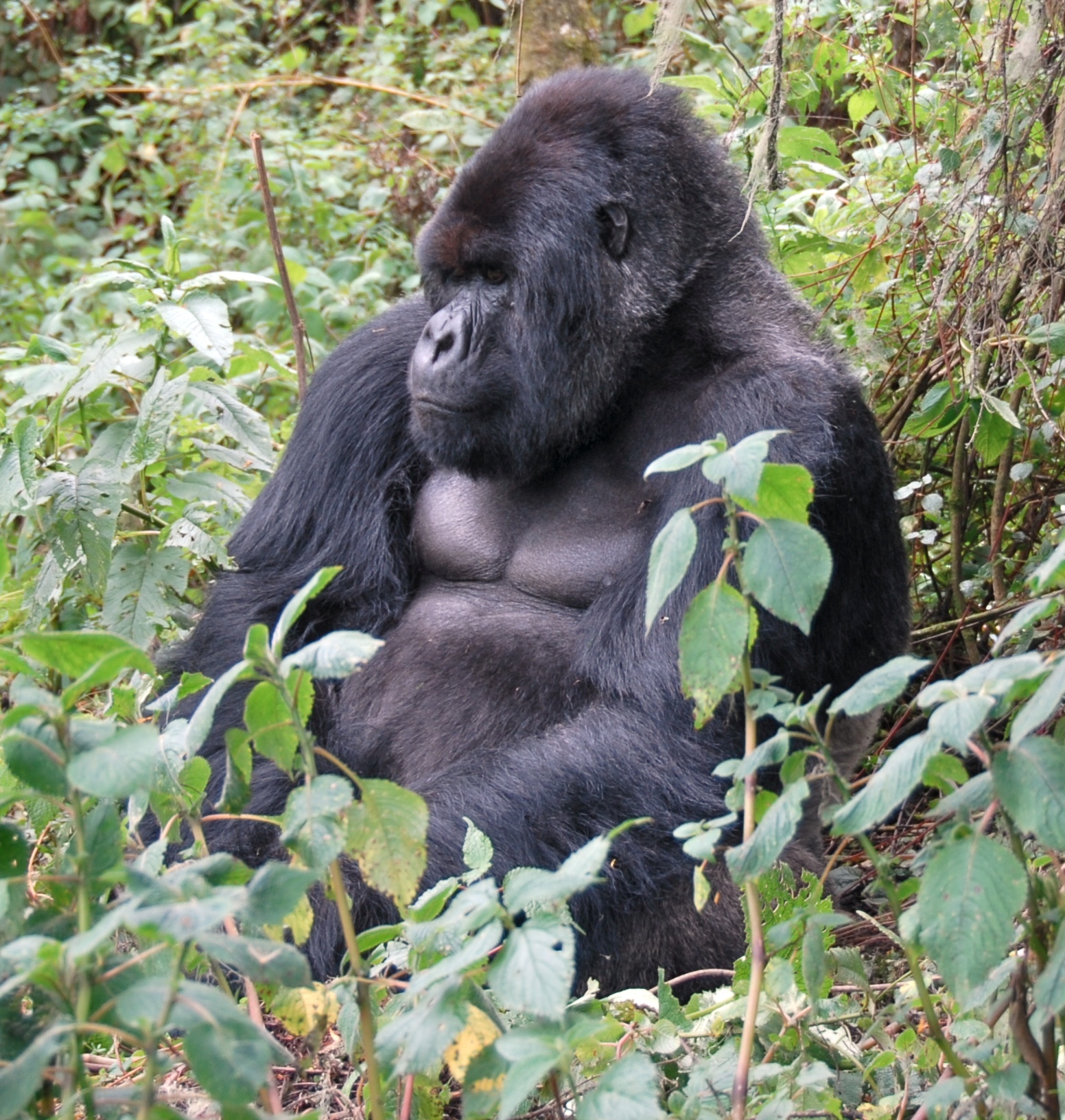
Mountain Gorilla (Gorilla beringei beringei)

Introduction
Introduction
The mist has barely lifted from the steep volcanic slopes of the Virunga Mountains when a deep, resonant chest-beat shatters the morning stillness. It rolls through the hagenia forest like distant thunder, bouncing off ancient lava rock and dissolving into the canopy above. The sound belongs to a silverback — a massive, silver-saddled male mountain gorilla who weighs as much as three adult humans and commands absolute authority over every living thing in his immediate world. He sits on a moss-covered boulder, scanning the forest with calm, intelligent eyes, while his family of twelve feeds quietly in the undergrowth below him.
Mountain gorillas are among the most charismatic and scientifically significant primates on Earth. As a subspecies of the eastern gorilla, Gorilla beringei beringei inhabits only two isolated mountain ecosystems — the Virunga volcanic chain straddling the borders of Uganda, Rwanda, and the Democratic Republic of Congo, and the Bwindi Impenetrable National Park in Uganda. Their range is astonishingly small, their numbers heartbreakingly few, and yet in the last two decades, a coordinated global conservation effort has pulled them back from the very edge of extinction.
What makes mountain gorillas extraordinary is not merely their physical power, though few animals on the African continent can match it. It is their social intelligence, their family devotion, their capacity for what can only be described as emotional depth, and their ecological importance within some of the most biodiverse highland forest systems in Africa. To understand mountain gorillas is to understand the fragile, intricate relationship between apex social species and the environments that shaped them over millions of years of evolution.
"The more you learn about the dignity of the gorilla, the more you want to avoid people."
— Dian Fossey, primatologist and conservationist
This article examines the biology, behaviour, ecology, and conservation status of the mountain gorilla in full depth — from the mechanics of silverback dominance to the biochemistry of their cold-adapted physiology, from their role as seed dispersers in Afromontane forests to the complex politics of conservation in post-conflict Central Africa.

Scientific Classification
Scientific Classification
Kingdom: Animalia
Phylum: Chordata
Class: Mammalia
Order: Primates
Family: Hominidae
Genus: Gorilla
Species: Gorilla beringei
Subspecies: Gorilla beringei beringei (Mountain Gorilla)
Common Name: Mountain Gorilla
First Described: Matschie, 1903
The mountain gorilla belongs to the family Hominidae — the great apes — making it one of humanity's closest living relatives. Genetically, gorillas share approximately 98.3% of their DNA with humans. The genus Gorilla is divided into two species: the western gorilla (Gorilla gorilla) and the eastern gorilla (Gorilla beringei). The eastern gorilla is further divided into two subspecies: the mountain gorilla (Gorilla beringei beringei) and Grauer's gorilla (Gorilla beringei graueri), also called the eastern lowland gorilla. Mountain gorillas were first formally described by German zoologist Paul Matschie in 1903, based on specimens collected from the Virunga volcanoes.

Physical Characteristics
Physical Characteristics
Mountain gorillas are the largest of the four gorilla subspecies and among the heaviest primates alive today. Adult males, known as silverbacks due to the distinctive saddle of silver-grey hair that develops across their back and hips at sexual maturity, typically weigh between 155 and 220 kilograms in the wild, with exceptional individuals occasionally exceeding this range. Adult females are considerably smaller, generally weighing between 70 and 100 kilograms. When measured standing upright, silverbacks average 1.5 to 1.8 metres in height, though they rarely sustain bipedal posture for long.
The body structure of a mountain gorilla is built for power and endurance in cold, high-altitude terrain. Their arms are disproportionately long relative to their legs — an arm span of up to 2.6 metres is not unusual in large males — and their chest and shoulder musculature is extraordinary. A silverback's grip strength is estimated to be around ten times that of an adult human male. Despite this brute physical capability, mountain gorillas move primarily as knuckle-walkers, distributing weight across the knuckles of their fingers rather than the palms.
The fur of mountain gorillas is notably longer and thicker than that of lowland gorillas — a direct physiological response to the cold, damp, high-altitude environment they inhabit. Temperatures in the Virunga highlands frequently drop close to freezing at night, and this dense coat provides critical insulation. The hair is black overall, with silverbacks displaying the characteristic silver-grey dorsal saddle. Some individuals develop additional silvering on their thighs and lower back as they age. Infants are born with a small tuft of white fur on their rump, which disappears during the first few years of life.
The facial structure of mountain gorillas features a pronounced brow ridge, a broad, flat nose with wide nostrils, and small, deep-set eyes. Each individual gorilla has a unique noseprint — a pattern of ridges and creases on the nose — which researchers use to identify individuals in the field, much as fingerprints identify humans. Adult males also develop a prominent sagittal crest — a bony ridge running along the top of the skull — which anchors the powerful jaw muscles necessary for processing tough plant material.
Fun FactEvery mountain gorilla has a unique noseprint, and researchers use detailed nose-ridge photographs to identify individuals in the field — a technique pioneered by Dian Fossey in the 1960s.
Trait | Mountain Gorilla | Western Lowland Gorilla | Grauer's Gorilla |
|---|---|---|---|
Average male weight | 155–220 kg | 140–180 kg | 160–200 kg |
Fur length | Long, dense | Short, fine | Medium |
Habitat altitude | 2,200–4,300 m | Sea level – 1,600 m | 600–2,900 m |
IUCN Status | Endangered | Critically Endangered | Critically Endangered |
Known population | ~1,100 | ~100,000–200,000 | ~3,800 |

Habitat & Geographic Distribution
Habitat & Geographic Distribution
Mountain gorillas occupy one of the most dramatically restricted ranges of any large mammal on Earth. Their entire global population exists within two geographically separate forest blocks: the Virunga Massif — a chain of six dormant and three active volcanoes spread across the borders of Uganda, Rwanda, and the Democratic Republic of Congo — and the Bwindi Impenetrable National Park in southwestern Uganda. The combined area of these two habitats covers roughly 785 square kilometres, a territory smaller than many major cities.
The Virunga ecosystem sits at altitudes ranging from approximately 2,200 to 4,300 metres above sea level. Within this vertical range, mountain gorillas move through a sequence of distinct vegetation zones: lower bamboo forest, mixed hagenia-hypericum woodland, giant lobelia and groundsel moorland at higher elevations, and dense Afromontane forest throughout. Bwindi, by contrast, is a mid-altitude rainforest with extraordinary plant diversity, occupying a range between 1,160 and 2,607 metres. Bwindi gorillas are sometimes considered taxonomically distinct by some researchers, though the subspecies classification of Gorilla beringei beringei currently encompasses both populations.
The climate within mountain gorilla habitat is characteristically cool and wet. Annual rainfall in the Virungas ranges from 1,400 to 2,000 millimetres, with temperatures frequently dropping below 10°C at night and rarely exceeding 20°C during the day. These cool, misty conditions support a lush, layered forest structure that produces the enormous quantities of foliage mountain gorillas depend on. The volcanically enriched soils of the Virungas in particular generate exceptionally dense herbaceous vegetation, including the wild celery, thistles, nettles, and bamboo shoots that form the cornerstone of gorilla diet.
Mountain gorillas do not migrate seasonally in the conventional sense, but they do shift their range vertically in response to seasonal food availability. Bamboo shoots emerge during specific rainy-season windows and draw gorillas upward in elevation. During drier periods, groups descend toward lower-altitude forests where fruit and herbaceous vegetation remain available. Home ranges for individual groups vary significantly — from as little as 3 square kilometres to over 30 square kilometres — and are influenced by group size, food availability, and the presence of neighbouring gorilla groups.

Behaviour & Social Structure
Behaviour & Social Structure
Mountain gorillas live in stable, multi-generational family groups that typically consist of one dominant silverback, several adult females, their offspring at various developmental stages, and occasionally one or more subordinate males. Group sizes range from as few as two individuals to over forty, though groups of ten to twenty are most common. The family unit is not merely a functional survival arrangement — it is a complex social entity held together by long-term bonds, learned traditions, and the leadership personality of the dominant silverback.
The silverback is the unquestioned centre of group life. He decides where the group travels each day, when they feed and rest, and how they respond to external threats. His position is maintained through a combination of physical dominance and social intelligence — an effective silverback rarely needs to resort to violence because his authority is communicated continuously through posture, vocalisation, and proximity. The iconic chest-beat display — a rapid, open-palmed drumming sequence accompanied by ground-slapping, branch-breaking, and bipedal charging — is the most visible expression of silverback authority, used to intimidate rivals, warn intruders, and signal alarm to the group.
Within the group, adult females establish their own social hierarchy, typically based on the length of their relationship with the silverback. Higher-ranking females receive preferred access to food, are groomed more frequently by the silverback, and have greater influence over group movement. Grooming serves a dual function in mountain gorilla society: it removes parasites and maintains skin health on a practical level, while simultaneously reinforcing social bonds and reducing tension within the group on a psychological level.
Younger males, called blackbacks due to the absence of the silver saddle, navigate a particularly complex social position. They remain in the group while they grow, learning behavioural norms and social roles, but eventually face a choice: challenge the silverback and risk expulsion, quietly inherit the group if the silverback dies or becomes incapacitated, or leave to form a new group — initially as a solitary male before attracting females. Solitary males and all-male bachelor groups are not uncommon and represent a distinct phase in male gorilla social development.
Mountain gorillas communicate through an extensive repertoire of vocalisations, facial expressions, body postures, and physical contact. Researchers have documented over twenty distinct vocalisation types, ranging from soft belch vocalisations used during peaceful feeding — a sound that functions as a contentment signal within the group — to the deep, roaring screams of an alarmed silverback. Physical contact, particularly play behaviour between juveniles and infants, is a constant feature of daily group life and plays a critical role in developing social skills and establishing bonds that will last decades.

Daily Life & Activity Cycle
Daily Life & Activity Cycle
A mountain gorilla's day follows a remarkably consistent rhythm shaped by the biological demands of a large-bodied herbivore living at high altitude. The group typically rises at dawn, when temperatures in the Virungas are at their coldest, and the first hour of activity is often slow — animals stretch, nurse infants, engage in brief social interactions, and wait for the air to warm slightly before beginning to feed in earnest.
Feeding occupies the largest single portion of each day — typically four to six hours spread across morning and late afternoon sessions. Mountain gorillas must consume enormous quantities of vegetation to meet their caloric needs. A large silverback may consume 30 to 34 kilograms of plant matter per day. Foraging is not random; it is directed and informed by learned spatial knowledge of the home range. Silverbacks lead groups toward specific food patches that experienced adults know will be productive at particular times of year.
The midday hours, typically between roughly 10:00 and 14:00, are devoted to rest. The group settles into a comfortable area of the forest, and adults sleep, groom one another, or simply sit in quiet observation while juveniles engage in play. This social resting period is behaviourally significant — it is when much of the grooming, social bonding, and low-level communication that holds the group together actually occurs. Play behaviour among younger animals during rest periods serves as essential developmental rehearsal for adult social roles.
As afternoon temperatures cool, foraging resumes until approximately dusk, when the group settles for the night. Each individual above infant age constructs a fresh sleeping nest every evening — a platform of bent branches and packed vegetation built either on the ground or in low tree forks. Nest construction takes only a few minutes and appears to be a learned behaviour. Infants sleep with their mothers until approximately three years of age. The nightly nest location shifts daily as the group moves through its range, a pattern that may reduce parasite buildup in any single location.

Diet & Survival Strategies
Diet & Survival Strategies
Mountain gorillas are overwhelmingly herbivorous, with a diet composed of leaves, stems, shoots, roots, bark, and fruit — though fruit represents a far smaller proportion of their diet than it does for lowland gorilla subspecies. This difference reflects the comparatively low fruit availability in their high-altitude Afromontane habitat. In the Virungas, mountain gorillas feed on over 140 recorded plant species, with particular preference for wild celery (Peucedanum linderi), thistles (Carduus spp.), nettles (Laportea alatipes), and bamboo shoots (Arundinaria alpina).
Bamboo is a highly seasonal food resource. When new bamboo shoots emerge during rainy-season flushes, gorilla groups may alter their movement patterns substantially to exploit this rich, high-protein food source. The timing of bamboo shoots represents one of the clearest examples of how mountain gorilla ranging behaviour is dynamically shaped by food phenology — the seasonal timing of plant growth cycles.
The physical anatomy of mountain gorillas reflects their folivorous diet. The large sagittal crest anchors powerful temporalis muscles capable of exerting enormous bite force to process tough stems and bark. Their digestive system is adapted for fermenting large quantities of fibrous plant material, with a relatively long gut that maximises nutrient extraction from low-quality vegetation. Unlike fruit, which delivers concentrated sugars, leaves deliver dilute nutrients across large volumes — a dietary reality that explains why mountain gorillas must spend such a large proportion of each day eating.
Mountain gorillas do not drink water directly from streams or pools under normal circumstances. They obtain virtually all required hydration from the moisture content of their food — the dew-covered leaves and water-rich stems of the plants they consume. This adaptation is practically significant given that highland forest vegetation in the Virungas retains abundant surface moisture for much of the year due to frequent mist and rain.
Fun FactMountain gorillas almost never drink standing water. They obtain nearly all of their daily hydration from the moisture trapped on leaves and stems — a remarkable metabolic adaptation to their fog-drenched mountain habitat.

Interaction with Other Animals
Interaction with Other Animals
Mountain gorillas occupy a position near the top of the food web within their ecosystem, but they are not predators, and their interactions with other animals are shaped more by competition, tolerance, and indirect ecological influence than by predation. Adult gorillas, particularly silverbacks, face virtually no natural predation risk. Leopards (Panthera pardus) are the only large predator sharing habitat with mountain gorillas in the Virungas and Bwindi, and while leopards have been documented to attack infants and juveniles — particularly stragglers separated from the group — a healthy silverback represents a target that no leopard would rationally choose to challenge.
Encounters between neighbouring gorilla groups are among the most dramatic behavioural events in mountain gorilla social life. When two groups meet at range boundaries, silverbacks engage in an escalating sequence of displays — chest-beating, vocalising, breaking vegetation, and posturing — that can last several hours. Physical fights between silverbacks do occur, and the wounds inflicted — particularly deep canine bites to the head, neck, and back — can be severe. Infanticide, the deliberate killing of infants by rival silverbacks during inter-group conflicts, has been documented and represents one of the significant sources of infant mortality in this species. From an evolutionary perspective, infanticide by an incoming or rival male eliminates the offspring of a competitor and accelerates the reproductive availability of the infant's mother.
Mountain gorillas share their forest habitat with a range of other primates, including black-and-white colobus monkeys and various mangabeys, but direct competition or interaction with these species is minimal due to dietary and spatial differences. Golden monkeys (Cercopithecus kandti), a species endemic to the Virunga bamboo forests, sometimes forage in proximity to gorilla groups without apparent conflict.
Within the broader food web, gorillas interact with numerous bird species and invertebrates that are attracted to disturbed vegetation and fresh dung. Gorilla dung is a significant resource for dung beetles, flies, and other decomposers, and patches of disturbed forest created by gorilla feeding activity — broken branches, uprooted plants, trampled undergrowth — create microhabitats used by smaller animals. This indirect ecosystem engineering, explored further in the section on ecological importance, positions mountain gorillas as significant drivers of forest structure.
It was mid-morning in Bwindi's southern sector when field researcher Gladys Kalema-Zikusoka's team heard the sound before they saw anything — a deep, accelerating rhythm of chest-beats rolling through the forest like the percussion of some ancient ceremony. Two silverbacks had encountered each other at the border of their overlapping ranges, and the tension was immediate and electric.
The dominant male of the larger group, a 27-year-old silverback the researchers had named Nkuringo, rose to his full height with unhurried confidence, pounding his chest with open palms while simultaneously screaming a roar that silenced every other sound in the valley. The challenger — younger, less experienced, travelling with a small bachelor group — held his ground for perhaps two minutes before the weight of Nkuringo's authority broke his resolve.
The younger male dropped to all fours and retreated through the undergrowth at speed, glancing back once before disappearing over a ridge. Nkuringo stood motionless for another thirty seconds, watching the direction of retreat, then turned calmly and rejoined his feeding group as if nothing had occurred. His females had barely stopped eating.
The entire encounter had lasted under four minutes. No physical contact was made. The biology of dominance, refined over millions of years of primate evolution, had resolved a potential conflict entirely through communication — a reminder that in gorilla society, the most powerful displays are those that make fighting unnecessary.

Interaction with Environment
Interaction with Environment
Mountain gorillas are not passive inhabitants of their forest ecosystem — they are active agents of ecological change at multiple scales. Their movement patterns, feeding behaviour, and biological outputs collectively shape the structure, composition, and dynamics of the Afromontane forests they occupy in ways that influence dozens of other species and physical processes.
As they move through the forest, gorillas create a continuous mosaic of physical disturbances. Heavy silverbacks break branches, tear up herbaceous vegetation, trample ground cover, and create gaps in the forest understorey. These disturbances are not merely destructive — they stimulate regrowth, create edge habitats, and allow light to penetrate the canopy in patches, promoting the growth of pioneer plant species. This gap dynamics effect is ecologically similar in principle to the role played by forest elephants in tropical lowland systems, and it maintains the structural heterogeneity of the forest.
Gorilla dung is a major vector of seed dispersal in highland forests. While mountain gorillas consume less fruit than their lowland relatives, they do ingest seeds from the fruit and berries that are available in their diet. These seeds pass through the gorilla digestive system intact and are deposited across a wide area as the group moves. Studies have shown that gut passage through large primates can actually improve germination rates for certain plant species by scarifying seed coats. The spatial displacement of seeds away from parent plants also reduces competition for resources during germination.
The Virunga ecosystem faces particular climatic pressures. Climate modelling predicts that rising temperatures associated with anthropogenic climate change will shift the optimal elevation range for Afromontane vegetation upward over the coming decades. For mountain gorillas, already living at the upper limits of their habitat, this represents a specific and serious threat — a progressive compression of suitable habitat toward higher elevations where terrain becomes more extreme and vegetation thins. This climate-habitat interaction is examined in greater depth in the IUCN Red List Analysis section.

Reproduction & Parenting
Reproduction & Parenting
Mountain gorilla reproduction is characterised by slow rates and high parental investment — a reproductive strategy that maximises survival of individual offspring at the cost of population growth speed. Females reach sexual maturity at approximately seven to eight years of age, but typically do not give birth to their first offspring until they are ten to twelve years old. Males become sexually mature around age ten to eleven but rarely succeed in reproduction until they have established themselves as dominant silverbacks — a process that can take another decade.
The gestation period of mountain gorillas is approximately 8.5 months — close to human gestation. Births are almost always of a single infant; twins are extremely rare and survival rates for twins are correspondingly low. A newborn mountain gorilla weighs approximately 1.8 to 2 kilograms — roughly half the weight of an average human infant — and is almost entirely dependent on its mother from birth. Infants cling to their mothers' ventral surface continuously for the first several months, with the mother supporting and positioning the infant during movement.
Nursing continues for approximately three years, during which time the mother typically does not conceive again. This extended inter-birth interval — the average time between successive births for a mountain gorilla female is four to five years — is one of the primary constraints on population growth in this subspecies. Over a lifetime, a successful female mountain gorilla may produce only four to six surviving offspring. Given that infant and juvenile mortality from disease, accidents, and infanticide can be significant, the net reproductive output per female is relatively modest.
Parenting in mountain gorilla society extends well beyond the mother-infant dyad. Silverbacks show remarkable paternal engagement — tolerating infant play, allowing juveniles to climb on them and pull at their hair, and actively protecting infants from threats including rival males. This paternal investment is not merely tolerance; silverbacks have been observed retrieving lost infants, carrying orphaned young, and maintaining extended physical proximity to young group members. The bond between a silverback and the offspring in his group is one of the strongest and most emotionally resonant relationships documented in non-human primates.
Juvenile mountain gorillas — those between weaning and approximately six years of age — spend enormous amounts of time in social play. Play behaviour in juveniles encompasses wrestling, chasing, somersaulting, and mock charging, activities that develop coordination, strength, and the social reading skills essential for adult life. Juveniles also begin learning foraging knowledge during this period, following their mothers and gradually acquiring understanding of which plant species to eat, how to process them, and where within the home range they grow most abundantly.

Evolutionary Adaptations
Evolutionary Adaptations
The evolutionary history of mountain gorillas is inseparable from the geological and climatic history of the Albertine Rift — the western branch of Africa's Great Rift Valley system, which created the dramatic highlands, volcanic peaks, and deep lakes that define East and Central Africa's landscape. The divergence of Gorilla beringei from its western relatives likely occurred several hundred thousand years ago as forest refugia isolated populations during periods of Pleistocene climate fluctuation. The mountain gorilla subspecies as it exists today represents a population that has been shaped by the specific pressures of high-altitude life for tens of thousands of years.
The most immediately obvious evolutionary adaptation is thermophysiological. Mountain gorillas' long, dense fur coat is a direct adaptation to cold highland temperatures. Unlike lowland gorilla subspecies whose sparse, shorter fur would provide insufficient insulation above 2,000 metres, the mountain gorilla's pelage traps a layer of air close to the skin, maintaining core body temperature even when ambient temperatures drop near freezing. This is not merely a matter of comfort — thermoregulatory failure at high altitude is a genuine survival threat, particularly for infants and sick animals.
The musculoskeletal adaptations of mountain gorillas reflect their ecological context as large-bodied, terrestrial herbivores. The knuckle-walking gait — shared with chimpanzees and bonobos, though independently evolved — is a highly efficient mode of quadrupedal locomotion that allows the forelimbs to serve simultaneously as weight-bearing structures and as manipulation tools. The specialised anatomy of the hands and fingers, with thickened skin pads on the middle knuckles, makes sustained knuckle-walking comfortable over long daily foraging distances.
The digestive physiology of mountain gorillas represents a sophisticated adaptation to low-quality, high-volume foliage. Their hindgut fermentation system — functionally analogous in some ways to that of ruminants, though achieved through different anatomy — allows microbial communities in the large intestine to break down cellulose and extract nutrients from vegetation that most mammals would find nutritionally insufficient. This digestive capability effectively opens an enormous food niche — the vast biomass of leaves and stems in highland forests — that requires no hunting skill, territorial hoarding, or competitive aggression to exploit.
Perhaps the most evolutionarily significant adaptation of mountain gorillas, however, is social intelligence. Living in stable, long-term family groups with complex hierarchies, persistent individual relationships, and sophisticated communication requires — and has driven the development of — a large, information-processing brain. Mountain gorilla cognition includes theory of mind elements, long-term memory of individual identity and relationship history, problem-solving capacity, and emotional regulation sophisticated enough to support decades-long social relationships. This cognitive complexity is not incidental; it is the central adaptive feature of great ape evolution, and in mountain gorillas it is expressed through the remarkable social cohesion of family groups that can persist across multiple generations.

Ecological Importance
Ecological Importance
Mountain gorillas function as keystone species within their limited but ecologically critical habitat. A keystone species is one whose impact on the ecosystem is disproportionate to its population size — and mountain gorillas qualify by several different mechanisms simultaneously. Their ecological importance manifests through seed dispersal, vegetation structure modification, nutrient cycling, and their role as flagship species driving conservation investment that protects entire ecosystems.
Seed dispersal through gorilla dung deposition is a consistent and spatially distributed process that contributes to forest regeneration and plant community composition. Because gorilla groups have large home ranges and defecate continuously throughout the day as they move, seeds are deposited across diverse microhabitats — open glades, forest edges, dense understorey, and disturbed clearings. This spatial scattering supports plant biodiversity by ensuring that not all seeds of a given species end up in the same competitive microhabitat.
The vegetation disturbance created by gorilla feeding activity — particularly the breaking and partial consumption of large herbaceous plants — drives a pulse of regrowth that refreshes food resources. Many of the plant species most favoured by gorillas, including nettles, thistles, and wild celery, are fast-growing pioneers that respond vigorously to physical disturbance with accelerated regrowth. In this sense, gorilla feeding behaviour is not purely extractive — it is, in part, a form of cyclical management of herbaceous vegetation.
At the broader ecosystem level, mountain gorillas serve as a flagship species whose conservation attracts funding, policy attention, and protected area management that benefits thousands of other species sharing their habitat. The Virunga National Park and Bwindi Impenetrable National Park together harbour extraordinary biodiversity — including over 600 bird species, dozens of endemic plant species, and numerous other threatened mammals such as golden monkeys, forest elephants, and African wild dogs. The global attention focused on mountain gorilla conservation has been the primary driver of the political will and financial investment that maintains these parks as functioning ecosystems.
Fun FactMountain gorillas are one of the very few large animal species whose global population has actually increased over the past two decades, rising from approximately 620 individuals in the early 2000s to over 1,000 today — a testament to sustained conservation effort.

Threats & Conservation
Threats & Conservation
For much of the twentieth century, mountain gorillas occupied a shrinking island of forest surrounded by one of the most densely populated rural regions in Africa, subject to agricultural encroachment, charcoal production, civil conflict, disease transmission, and direct killing. At their lowest recorded point, in the late 1970s and 1980s, the total mountain gorilla population was estimated at around 250 individuals — a number so small that many conservation biologists considered extinction within decades to be statistically probable.
The threats facing mountain gorillas are not historical abstractions — they remain active and, in some respects, intensifying. Habitat loss driven by agricultural expansion continues to press against the boundaries of gorilla parks, particularly in the densely farmed volcanic slopes of Rwanda and Uganda. Human population densities in the communities bordering gorilla parks are among the highest in rural Africa, and the competition between agricultural land use and forest conservation is a daily political tension, not a resolved historical debate.
Disease transmission between humans and mountain gorillas is a specific and serious conservation risk unique to a species with such close genetic proximity to humans. Mountain gorillas are susceptible to virtually all human respiratory pathogens, including influenza, pneumonia-causing bacteria, and potentially more dangerous viral diseases. Because the gorilla immune system has had no evolutionary exposure to many human pathogens, even mild human illnesses can cause severe and potentially fatal respiratory disease in gorilla groups. The risks associated with ecotourism — which brings human visitors into close proximity with gorilla groups — are carefully managed through strict protocols, but the fundamental vulnerability remains.
Poaching and snares represent another persistent threat. Mountain gorillas are not typically targeted directly for bushmeat, but they are frequently caught in wire snares set for other animals, particularly small ungulates. Snare injuries — lost fingers, damaged hands, infected wounds — are well-documented in mountain gorilla populations and can be fatal if untreated. In conflict zones such as eastern DRC, where Virunga National Park has been subject to repeated incursions by armed groups, direct killing of gorillas has occurred, and the murder of park rangers protecting gorilla habitat has made international headlines multiple times.
Conservation responses to these threats have evolved from the pioneering individual work of researchers like Dian Fossey — whose direct and sometimes confrontational approach to gorilla protection in the 1970s and 1980s helped establish the fundamental case for conservation — to a sophisticated network of protected areas, community-based conservation programmes, international legal frameworks, and gorilla monitoring infrastructure. The IUCN Red List status and detailed conservation analysis are examined fully in the following section.

IUCN Red List Analysis
IUCN Red List Analysis
Current IUCN Status
The mountain gorilla (Gorilla beringei beringei) is currently listed as Endangered on the IUCN Red List — a status that was downlisted from Critically Endangered in 2018, representing a milestone in the history of wildlife conservation. This downlisting reflects genuine and measurable population recovery driven by decades of intensive conservation effort. The Endangered classification is assigned under IUCN criteria primarily on the basis of restricted geographic range, small total population size, and ongoing threats that, if unmitigated, could reverse current positive trends.
The Endangered category, defined as facing a very high risk of extinction in the wild, is applied here because the population remains small in absolute terms, is geographically isolated into two fragmented populations, and is exposed to multiple ongoing threat vectors. The downlisting from Critically Endangered reflects the substantial improvement in population estimates and the demonstrated effectiveness of protection measures, but conservation scientists are unanimous that the species' recovery is neither complete nor self-sustaining in the absence of continued intensive management.
Population Trend
The population trend for mountain gorillas is increasing — one of the very few large mammal species in Africa for which this is currently true. The most recent comprehensive surveys, completed in 2018, estimated the total mountain gorilla population at approximately 1,063 individuals, combining both the Virunga population (approximately 604 individuals) and the Bwindi population (approximately 459 individuals). This represented a significant increase from the 2010 estimate of approximately 786 individuals and a dramatic recovery from the historical low of around 250 in the 1980s.
This population growth, while genuinely encouraging, must be contextualised carefully. An annual growth rate of approximately 3% has been documented for the Virunga population — a meaningful figure for a species with such slow reproduction rates. However, the total population remains critically small in absolute terms, and the two populations are geographically isolated from each other, raising concerns about long-term genetic diversity. The lack of connectivity between the Virunga and Bwindi populations means that genetic exchange between them is effectively absent under current conditions, creating the potential for inbreeding depression over timescales of centuries rather than decades.
Main Threats
Habitat destruction and fragmentation remain the primary structural threats to mountain gorilla survival. The land immediately surrounding gorilla parks in Uganda, Rwanda, and DRC is under intense and growing agricultural pressure. Forest conversion for small-scale farming, charcoal production, and cattle grazing has historically encroached directly on park boundaries, and while official park boundaries are now legally enforced, the political pressure to convert protected forest to agricultural use is constant. Any significant reduction in park area would compress gorilla home ranges, intensify intragroup competition, and potentially reduce habitat quality below sustainable thresholds.
Disease is one of the most technically complex threats. As mountain gorilla ecotourism has grown — generating significant conservation revenue but also bringing hundreds of human visitors into close proximity with habituated gorilla groups — the risk of human-to-gorilla pathogen transmission has increased correspondingly. Respiratory disease outbreaks in monitored gorilla groups have been documented multiple times, with some events causing multiple deaths. The COVID-19 pandemic introduced specific new concerns about potential SARS-CoV-2 transmission to great apes, leading to temporary ecotourism suspensions and enhanced health protocols across gorilla range states.
Armed conflict and political instability, particularly in the DRC portion of Virunga National Park, represent a threat vector that is entirely absent from most wildlife conservation contexts. Eastern DRC has experienced continuous armed conflict since the 1990s, and Virunga has been repeatedly occupied, damaged, or closed due to military operations. Ranger killings — over 200 park rangers have been killed in Virunga since 1996 — directly undermine the anti-poaching capacity that mountain gorilla survival depends on. Gorilla groups in conflict-affected zones are less well-monitored, more exposed to snare poaching, and at greater risk of direct interference.
Climate change presents a long-term structural threat. Modelling studies suggest that rising temperatures will shift the vegetation belt that mountain gorillas depend on progressively upward in altitude, compressing suitable habitat toward mountain peaks where terrain becomes rocky and vegetation thin. For a species already living at altitude maxima in two isolated forest blocks, this vertical habitat compression could reduce carrying capacity substantially over the next several decades.
Ecological Consequences
A significant decline or local extinction of mountain gorillas would trigger cascading ecological consequences within the Afromontane forest systems they inhabit. The loss of gorillas as seed dispersers would reduce the diversity and spatial distribution of plant regeneration, potentially allowing dominant competitive plant species to overtake patches previously maintained in diverse composition by gorilla foraging activity. Over ecological timescales, this compositional shift would alter understorey structure, light penetration, and microhabitat availability for dozens of other species.
The economic and political consequences of mountain gorilla decline would be felt acutely in the human communities surrounding gorilla parks. Ecotourism revenues from mountain gorilla trekking generate tens of millions of dollars annually for Rwanda, Uganda, and DRC, and these revenues fund protected area management, community benefit programmes, and national conservation infrastructure. A collapse in gorilla populations would devastate this revenue stream and remove one of the primary economic incentives for communities to support rather than resist forest conservation — a dynamic that could trigger broader ecosystem degradation far beyond the gorilla's own requirements.
At the global level, mountain gorillas represent an irreplaceable component of primate evolutionary heritage. As one of our closest living relatives, their loss would remove a critical reference point for understanding human evolution, cognition, and social behaviour. The extinction of a great ape subspecies is not a recoverable event — unlike plant species that can be preserved in seed banks, complex social animals with learned cultural traditions cannot be reconstructed from preserved genetic material alone.
Conservation Efforts
Mountain gorilla conservation represents one of the most sustained, multi-actor, internationally coordinated conservation campaigns in wildlife history. At the institutional level, the Dian Fossey Gorilla Fund International, established in 1978, maintains the Karisoke Research Centre in Rwanda and conducts continuous population monitoring, habituation of new gorilla groups for research, and ranger training. The International Gorilla Conservation Programme (IGCP) — a coalition of the African Wildlife Foundation, Fauna & Flora International, and WWF — coordinates transboundary conservation activities across the three range states.
Virunga National Park in DRC, despite its extraordinary security challenges, maintains one of Africa's most committed and experienced ranger forces, supported by the African Parks network since 2021. The park service has invested in anti-poaching surveillance technology, including drone monitoring, community liaison networks, and forensic tracking of illegal activity. In Rwanda, the Volcanoes National Park is managed by the Rwanda Development Board with high levels of funding and political support, generating substantial ecotourism revenue that creates concrete economic arguments for forest conservation.
Community-based conservation programmes have become increasingly central to mountain gorilla protection. Revenue sharing schemes in Rwanda and Uganda direct a percentage of gorilla trekking permit revenues to communities living adjacent to parks. These funds support local schools, healthcare facilities, and community infrastructure — creating a tangible economic connection between gorilla survival and community wellbeing. This approach has demonstrably shifted local attitudes from viewing gorilla parks as sources of lost agricultural land to valuing them as economic assets.
Veterinary intervention programmes, operated by the Mountain Gorilla Veterinary Project and other organisations, provide active medical care to monitored gorilla groups — treating snare wounds, respiratory illnesses, and other injuries that, left untreated, would reduce survival rates. This level of active veterinary engagement in wild animal populations is unusual and reflects the extraordinary conservation value assigned to every individual mountain gorilla.
Future Outlook
The future for mountain gorillas is more positive today than at any point in the last fifty years, but it remains genuinely precarious. Continued population growth is projected under optimistic scenarios that assume sustained conservation investment, stable political conditions, controlled disease transmission, and effective community engagement. Under these conditions, some modelling suggests the Virunga population could reach 1,000 individuals on its own within several decades — a threshold at which extinction risk decreases substantially.
The most serious long-term risks are those outside the direct control of conservation managers. Political instability in eastern DRC, climate-driven habitat compression, and the unpredictable potential of novel disease transmission could each individually reverse decades of population recovery within a short timeframe. The geographic isolation of the two populations also represents a structural vulnerability that no amount of active management entirely eliminates — unless connectivity between Bwindi and the Virungas can be established through a corridor of protected forest, the populations will continue to diverge genetically.
Ultimately, the mountain gorilla's survival into the next century will depend on whether the political will of three African nations, supported by international conservation funding, can be maintained across the decades and crises that will inevitably intervene. The species has shown, with remarkable clarity, that conservation works when properly resourced and politically supported. The challenge now is ensuring that support persists long enough for the mountain gorilla population to cross into genuine long-term stability.

Human Relationship
Human Relationship
The relationship between mountain gorillas and the human communities surrounding their habitat is one of the most complex and consequential human-wildlife interactions in Africa. For subsistence farming communities in the densely populated highlands of southwestern Uganda, northern Rwanda, and eastern DRC, gorillas have historically been viewed through the dual lens of danger and competition — powerful animals that occasionally raid crops and occupy land that could otherwise be farmed. These practical grievances are not trivial; in one of the most agriculturally stressed regions of the continent, the loss of crops to gorilla raids carries real food security implications for farming families.
Cultural relationships with gorillas across their range states vary. Among several communities in the Virunga region, traditional beliefs historically associated gorillas with ancestral spirits or supernatural power, creating complex relationships that oscillated between reverence and fear. Colonial-era attitudes, however, frequently framed gorillas as dangerous pests, and significant numbers were killed or captured for museum specimens and the live animal trade during the early twentieth century.
The gorilla ecotourism model that now generates approximately $20 million annually in permit revenues across Rwanda, Uganda, and DRC represents a transformative reframing of the human-gorilla relationship. Rwanda's gorilla trekking permits — priced at $1,500 per person per visit — attract wealthy international tourists and position mountain gorillas as among the most economically valuable wildlife encounters on the planet. This economic leverage has been central to generating governmental political support for gorilla conservation at the highest levels of national policy in both Rwanda and Uganda, creating a conservation-economic feedback loop that has been studied as a model for wildlife conservation globally.
The pioneering scientific work of Dian Fossey, George Schaller, and subsequent generations of primatologists at Karisoke has also profoundly shaped the global cultural perception of mountain gorillas. Fossey's book Gorillas in the Mist (1983) and the subsequent feature film introduced mountain gorillas to global popular consciousness as individuals with personalities, family bonds, and lives worth protecting — a cultural shift that mobilised conservation funding and political support on a scale that pure scientific advocacy could never have achieved alone.

Unique & Rare Facts
Unique & Rare Facts
Noseprint individuality: Every mountain gorilla has a unique noseprint — a pattern of ridges and wrinkles on the nose bridge that is as individually distinctive as a human fingerprint. Researchers photograph and catalogue these noseprints as the primary identification method in long-term population studies.
Orphan adoption: Following the death of a mother, silverbacks have been documented adopting and caring for orphaned infants who are not their own offspring — carrying them, sharing nesting sites, and protecting them from harassment, behaviour that reflects genuine social bonds beyond purely reproductive interest.
Cultural transmission of behaviour: Mountain gorilla groups have been observed exhibiting group-specific behaviours — particular ways of processing food plants, specific play behaviours, or idiosyncratic social gestures — that are not biologically programmed but are learned through social observation and passed across generations. This represents culture in the scientific sense.
Self-medication: Mountain gorillas have been documented selectively consuming plants with known medicinal properties — including species with antiparasitic, antibacterial, or antifungal compounds — during periods of illness, suggesting a degree of self-medication behaviour that parallels observations in chimpanzees.
Emotional mourning: Multiple field observations have recorded mountain gorillas remaining with recently deceased group members for extended periods — touching, grooming, and sitting near the body — in behaviour that field researchers interpret as consistent with grief responses documented in elephants and chimpanzees.
No daily water drinking: Despite living in a wet highland environment, mountain gorillas have been observed to almost never drink directly from standing water, obtaining all required hydration from plant moisture — a physiological and behavioural adaptation that may reduce disease transmission risk from contaminated water sources.
Night nest construction: Mountain gorillas build a fresh sleeping nest every single night of their adult lives. A gorilla completing its natural lifespan of 35 to 40 years in the wild will have constructed approximately 14,000 to 15,000 individual sleeping nests over its lifetime.
Genetic proximity to humans: At 98.3% shared DNA with humans, gorillas are our third-closest living relatives after chimpanzees and bonobos. This proximity means that many human diseases affect gorillas in similar ways — including cancer, heart disease, and respiratory infections — making gorilla health monitoring scientifically relevant to human medicine.
Chest-beat complexity: Acoustic analysis of silverback chest-beats has demonstrated that the sound carries information about the individual's body size — larger silverbacks produce lower-frequency beats — allowing rival males and potential mates to assess a silverback's physical status from a distance without direct visual contact.

Conclusion
Conclusion
The mountain gorilla's story is, against considerable odds, one of cautious hope. It is a story about a species that came within a few hundred individuals of permanent extinction and has clawed its way back through the sustained commitment of scientists, park rangers, governments, local communities, and millions of people around the world who decided that these animals were worth saving. The silverback sitting on his moss-covered boulder in the Virunga mist is not just a magnificent animal — he is the living evidence that conservation, when properly resourced and politically supported, can reverse the trajectory of extinction.
But hope must be tempered with clear-eyed realism. Approximately 1,063 individuals remain. They are confined to two isolated forest fragments in one of the most politically volatile and agriculturally pressured regions of Africa. Their survival remains contingent on the continued willingness of three national governments to protect forests that communities urgently need for farming. Their health depends on our ability to prevent the transmission of human pathogens to animals who share nearly all of our biology. Their long-term genetic viability requires conservation corridors that do not yet exist.
What mountain gorillas offer humanity in return is immeasurable. They hold a mirror to our own evolutionary past — showing us social structures, emotional bonds, cognitive capabilities, and family dynamics that illuminate what we are and where we came from. They anchor ecosystems that store carbon, protect watersheds, and shelter thousands of other species. They drive economic systems that sustain human communities across three countries. And in their morning chest-beats and their midday rest and their evening nest-building, they enact a life of remarkable depth and dignity that deserves to persist on this planet far beyond our reckoning of it.
"When you realise the value of all life, you dwell less on what is past and concentrate more on the preservation of the future."
— Dian Fossey

Frequently Asked Questions
Sources & Attribution
Data and ongoing research referenced for this article come from the following authoritative sources — peer-reviewed publishers, official taxonomic registers, and global biodiversity programmes:
- IUCN Red List — Mountain Gorilla — official IUCN Red List assessment including population trend, threats, and conservation actions.
- Wikipedia — Mountain Gorilla — taxonomy, distribution, and an overview with onward citations to primary literature.
- GBIF — Mountain Gorilla — global occurrence and distribution records from the Global Biodiversity Information Facility.
- iNaturalist — Mountain Gorilla — observation records and field photographs contributed by naturalists worldwide.
- Encyclopedia of Life — Mountain Gorilla — multilingual species pages aggregating taxonomic and natural-history data.
- WWF — World Wildlife Fund — global wildlife conservation programmes and research summaries.
- Nature — research on Mountain Gorilla — peer-reviewed studies indexed by Nature on related ecology and behaviour.
- ITIS — Integrated Taxonomic Information System — federal-grade taxonomy and nomenclature.
Frequently Asked Questions
How many mountain gorillas are left in the world?
As of the most recent comprehensive survey completed in 2018, approximately 1,063 mountain gorillas (Gorilla beringei beringei) exist in the wild. This total is split between two geographically separate populations: approximately 604 individuals in the Virunga Massif spanning Uganda, Rwanda, and the DRC, and approximately 459 in Bwindi Impenetrable National Park in Uganda. There are no mountain gorillas in captivity — the entire global population exists in the wild.
This number represents a significant recovery from the historical low of approximately 250 individuals documented in the 1980s, reflecting the positive impact of sustained conservation investment over several decades.
What do mountain gorillas eat?
Mountain gorillas are primarily herbivorous, feeding on leaves, stems, shoots, roots, bark, and fruit. In the Virunga habitat, key food plants include wild celery, thistles, nettles, and bamboo shoots. Bamboo is a particularly favoured seasonal food, consumed in large quantities when new shoots emerge during rainy season flushes. Fruit forms a smaller proportion of the mountain gorilla's diet compared to lowland gorilla subspecies, reflecting the lower fruit availability in high-altitude Afromontane forests.
A large silverback can consume up to 34 kilograms of vegetation per day. Mountain gorillas obtain virtually all their water requirements from moisture on the plants they eat and rarely drink directly from water sources.
Are mountain gorillas dangerous to humans?
In the wild, mountain gorillas are generally not aggressive toward humans unless they feel threatened or their group is under perceived attack. Silverbacks may perform impressive display behaviours — chest-beating, charging, vocalising — when encountering humans who move too close or behave in ways that trigger alarm. These displays are primarily communicative rather than predatory. Habituated gorilla groups, accustomed to the presence of researchers and tourists, typically respond to human visitors with curiosity or indifference.
Gorilla trekking guidelines — maintaining a minimum distance of seven metres, avoiding direct eye contact, not visiting habituated groups if unwell, and keeping noise levels low — are specifically designed to minimise situations that might trigger defensive responses. Serious gorilla attacks on humans in tourist or research contexts are extremely rare.
Why are mountain gorillas endangered?
Mountain gorillas are classified as Endangered primarily because of their very small total population, restricted geographic range, ongoing habitat pressures, disease vulnerability, and the political instability affecting parts of their range. Habitat loss from agricultural expansion, charcoal production, and human encroachment on park boundaries reduces available living space. Disease transmission from humans — particularly respiratory illnesses — poses a serious mortality risk given the gorilla's genetic proximity to humans and lack of evolved immunity to many human pathogens.
Armed conflict in the DRC portion of their range periodically disrupts park management and anti-poaching capacity, while climate change is projected to compress suitable high-altitude habitat over the coming decades. Despite the positive population trend, these ongoing threats mean the species remains genuinely at risk without continued intensive conservation effort.
How long do mountain gorillas live?
Mountain gorillas in the wild typically live between 35 and 40 years. Females tend to live slightly longer than males on average, though large silverbacks in protected, well-monitored populations can reach 40 years or more. The oldest known wild mountain gorilla documented by researchers lived into her early 40s. Because there are no mountain gorillas in captivity, lifespan data comes entirely from long-term field studies such as those conducted at Karisoke Research Centre.
What is the difference between a silverback and a blackback gorilla?
The terms "silverback" and "blackback" refer to the developmental and social stages of male mountain gorillas, not to different types of gorilla. Young adult males between approximately 8 and 12 years of age are called blackbacks, as their hair remains uniformly black. When males reach full adulthood — typically around 12 to 15 years of age — they develop the distinctive silver-grey saddle of hair across their back and hips, at which point they are called silverbacks.
The development of the silver saddle is hormonally driven and signals social and physical maturity. In practical terms, silverbacks are dominant adult males who may lead family groups, while blackbacks are typically subordinate males within a group or members of bachelor bands, still developing the physical and social maturity needed to challenge for dominance or establish their own groups.
Can mountain gorillas swim?
Mountain gorillas, like all great apes, are generally not natural swimmers and tend to avoid deep water. They lack the instinctive swimming response observed in many other mammals. In their highland forest habitat, large water bodies are uncommon, and mountain gorillas are rarely observed voluntarily entering even shallow streams. When crossing small streams is necessary, they typically leap across, use fallen logs as bridges, or wade through very shallow sections while maintaining footing on the substrate.
How do mountain gorillas communicate?
Mountain gorillas communicate through a combination of vocalisations, facial expressions, body postures, and physical contact. Researchers have catalogued over twenty distinct vocalisation types, ranging from soft belch vocalisations — low rumbling sounds used to signal contentment during peaceful feeding — to the deep, roaring screams of alarmed silverbacks and the distinctive chest-beating display used for long-range communication and dominance signalling.
Physical communication includes greeting gestures, play behaviours, grooming, and various submissive and dominant postures. Facial expressions convey emotional states including fear, aggression, playfulness, and contentment, and long-term field observation has demonstrated that mountain gorillas can recognise and respond to the individual emotional states of other group members — a cognitive and communicative sophistication consistent with their high level of social intelligence.
How do ecotourism and gorilla trekking affect mountain gorilla conservation?
Mountain gorilla ecotourism is one of the most significant financing mechanisms for conservation in Africa. Rwanda charges $1,500 per person per one-hour gorilla trekking permit, and permits across the three range states generate combined revenues estimated at over $20 million annually. These revenues fund protected area management, ranger salaries, veterinary programmes, community benefit sharing, and national conservation infrastructure — creating a direct economic argument for maintaining gorilla habitat.
However, ecotourism also introduces risks, most critically the potential for disease transmission from human visitors to gorilla groups. To mitigate this, park authorities limit daily visitor numbers per group, enforce minimum distance rules, require surgical masks in some parks, and prohibit visitors with respiratory illness from approaching gorilla groups. The balance between revenue generation and health risk management is an ongoing challenge for gorilla conservation managers.
Do mountain gorillas use tools?
Mountain gorillas are not known to use tools to the same extent or sophistication as chimpanzees, though isolated observations of simple tool-like behaviour have been recorded. In 2005, researchers documented wild western gorillas using sticks to test the depth of swampy water before crossing — one of the first documented instances of tool use in wild gorillas. Mountain gorillas have been observed using branches to assist balance while crossing water and manipulating objects in ways that could be classified as proto-tool use.
Their relatively low investment in tool use compared to chimpanzees likely reflects their dietary ecology — as herbivores who extract food directly with their hands and teeth from abundant plant material, mountain gorillas face fewer ecological pressures that would select for sophisticated tool use compared with the nut-cracking, termite-fishing, and honey-extracting challenges that drive tool development in chimpanzees.
What is the social role of young gorillas in a group?
Young gorillas — from infants through juveniles — play a role in group social life that goes well beyond simple apprenticeship. Their play behaviour drives important social bonding between adult females, as mothers interact closely during periods when juveniles play together. Young gorillas also frequently interact with the silverback — climbing on him, playing around him, and engaging him in gentle mock wrestling — and these interactions appear to strengthen the bonds between the silverback and his group's offspring.
Juvenile and adolescent gorillas also serve as social buffers during tense inter-adult interactions. Researchers have observed that when tension rises between adults — for example, during feeding competition — the presence of playing juveniles can de-escalate the situation by redirecting adult attention. This tension-reducing function of young animals has been documented in several primate species and reflects the sophisticated social dynamics of mountain gorilla group life.
Image: Wikipedia/Wikimedia Commons — “Mountain gorilla”
Comments
Post a Comment