
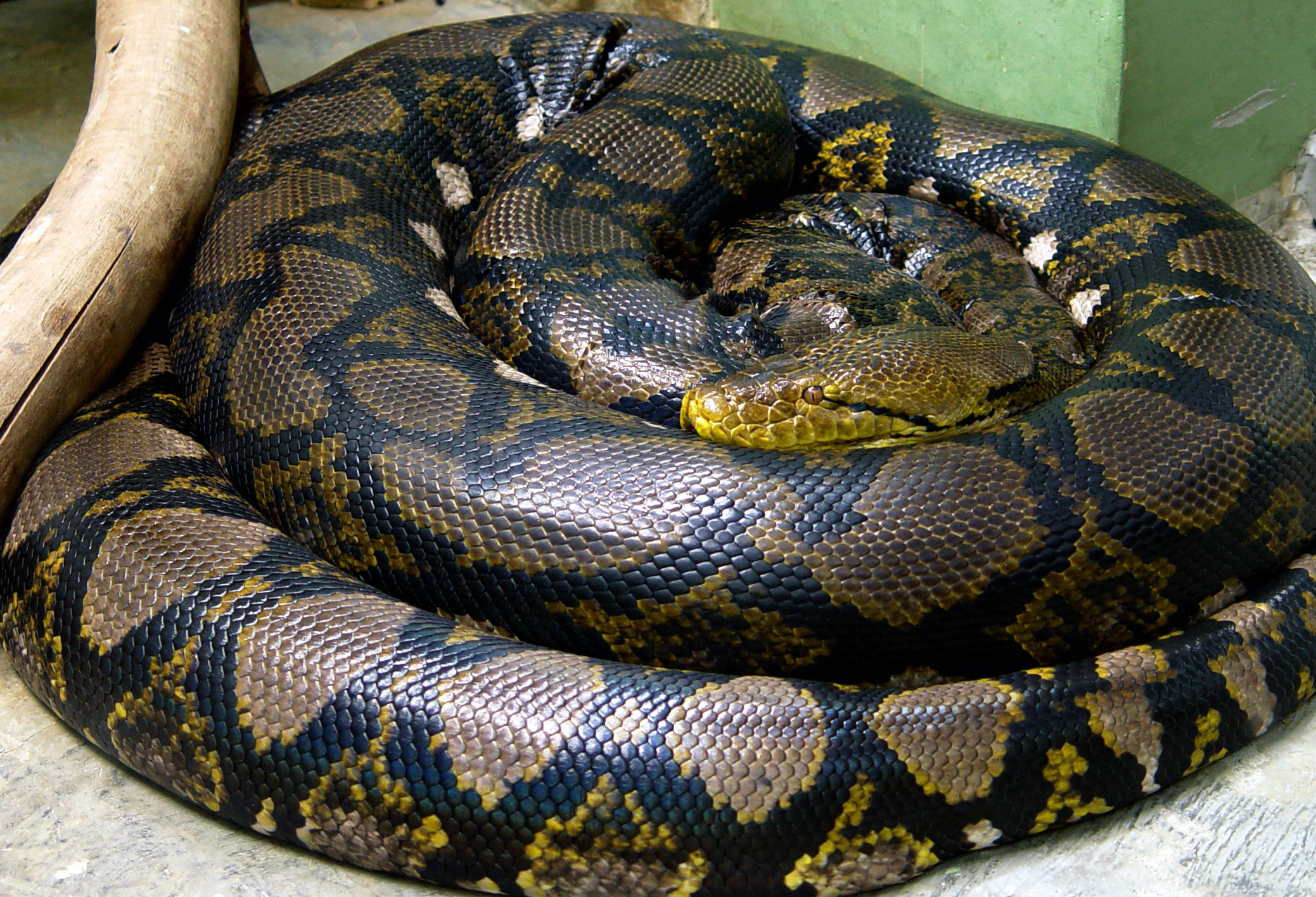
Reticulated Python (Malayopython reticulatus)

Introduction
Introduction
The rainforest falls silent before it moves. In the deep interior of a Sumatran jungle, where fig roots spill into black water and the canopy overhead filters moonlight into pale fragments, a shape begins to resolve itself from the shadows. It is enormous — longer than a pickup truck, thicker than a man's thigh — and it moves with a silence that feels impossible for something of such mass. The reticulated python does not rush. It has no need to. In the hierarchy of ambush predators, it occupies a position that requires patience above all else.
The reticulated python, Malayopython reticulatus, holds the undisputed title of the world's longest snake. Individuals exceeding seven metres have been reliably documented, and unverified accounts push that figure further still. Yet length alone fails to capture what this animal truly represents. It is an ecological engineer, a keystone predator, an evolutionary masterwork shaped across tens of millions of years of tropical existence. Its body is a machine of remarkable efficiency, capable of fasting for months, detecting prey through infrared-sensing pit organs, and subduing animals many times its own head size through the mechanical force of constriction.
Across Southeast Asia — from the dense archipelagos of Indonesia to the river deltas of Myanmar — the reticulated python weaves through human mythology, subsistence hunting traditions, the exotic pet trade, and modern conservation debates simultaneously. It is feared and revered, misunderstood and scientifically underappreciated. This article examines the full ecological reality of one of Earth's most remarkable reptiles: its biology, behaviour, environment, evolutionary story, and the forces currently threatening its survival.
"The snake which cannot cast its skin has to die. As well the minds which are prevented from changing their opinions; they cease to be mind."
— Friedrich Nietzsche

Scientific Classification
Scientific Classification
Kingdom: Animalia
Phylum: Chordata
Class: Reptilia
Order: Squamata
Family: Pythonidae
Genus: Malayopython
Species: Malayopython reticulatus (Schneider, 1801)
The reticulated python was first formally described by Johann Gottlob Schneider in 1801 under the name Boa reticulata. It was subsequently moved to the genus Python, where it remained for the better part of two centuries. Molecular phylogenetic work published in the early 2010s revealed that the species — along with its closest relative Malayopython timoriensis, the Timor python — forms a distinct evolutionary lineage separate from the African and Asian pythons traditionally grouped under Python. The genus Malayopython was formally established to reflect this divergence.
Three subspecies are currently recognised, though taxonomic debate continues. Malayopython reticulatus reticulatus represents the widespread nominate form. M. r. jampeanus is a dwarf population native to Jampea Island, and M. r. saputrai is restricted to the Selayar Island group. These island populations exhibit significantly reduced body sizes — an elegant demonstration of island dwarfism driven by resource limitation.

Physical Characteristics
Physical Characteristics
The reticulated python's most immediately striking feature is its size. The species holds the verified record for the longest snake on Earth, with the specimen named "Medusa" — a captive individual — measured at 7.67 metres and weighing approximately 158 kilograms. Wild individuals commonly reach five to six metres, with females consistently outgrowing males. Some field accounts from Borneo and Sumatra have suggested individuals approaching eight metres, though methodological challenges in measuring large wild snakes make verification difficult.
Body mass varies considerably with condition and sex. A well-fed adult female of six metres may weigh 75 to 100 kilograms. The body is enormously muscular, with a roughly cylindrical cross-section that tapers toward the narrow, pointed tail. The head is large and distinctly wider than the neck, bearing a characteristic arrow-shaped profile when viewed from above. The skull is highly kinetic — the upper and lower jaws are connected by elastic ligaments rather than rigid joints, allowing the mouth to expand to extraordinary dimensions around prey items.
The colour pattern from which the species takes both its common and scientific names is one of the most visually complex in any snake species. "Reticulated" refers to the net-like geometric patterning of the scales: a warm tan or golden-brown base overlaid with a complex mosaic of dark brown, black, and cream markings that form irregular diamond shapes, chains, and interlocking polygons along the entire dorsal surface. This pattern serves as extraordinarily effective disruptive camouflage within dappled forest light and leaf-litter environments. The ventral surface is pale cream or yellow, sometimes with dark flecking along the lateral margins.
The scales are smooth and iridescent. In direct sunlight, the python's skin displays a subtle blue-white iridescence caused by diffraction of light from the microstructure of individual scales — a phenomenon known as structural colouration. This feature is particularly pronounced in freshly shed individuals. The eyes are golden-yellow with a vertically elliptical pupil characteristic of ambush predators — a pupil shape that maximises depth-of-field across a broad horizontal plane while reducing light sensitivity vertically, optimal for detecting movement along the forest floor.
Along the upper jaw and lower lip, labial pit organs are arranged in a series. These are thermoreceptive structures capable of detecting infrared radiation — effectively heat — with a resolution sensitive enough to detect temperature differentials as small as 0.003°C. This system functions as a thermal imaging array, allowing the python to locate warm-blooded prey in complete darkness. The tongue, forked and constantly flickering, delivers chemical molecules to the Jacobson's organ in the roof of the mouth, providing a three-dimensional chemical map of the immediate environment.
Fun FactThe reticulated python's labial pit organs can detect the body heat of a passing animal through complete darkness, effectively giving the snake an infrared "heat map" of its surroundings — a sensory system more precise than many electronic thermal detectors.

Habitat & Geographic Distribution
Habitat & Geographic Distribution
The reticulated python occupies one of the most geographically extensive ranges of any large snake species. Its natural distribution spans from the eastern coast of Bangladesh and the Nicobar Islands through Myanmar, Thailand, Laos, Cambodia, Vietnam, and peninsular Malaysia, extending south and east across the Indonesian archipelago — including Sumatra, Java, Borneo, Sulawesi, and hundreds of smaller islands — northward into the Philippines, and eastward to Timor and the western edge of the Pacific island chains.
Within this broad range, the species shows a strong preference for tropical and subtropical moist broadleaf forest, particularly primary and secondary lowland rainforest with access to water. Rivers, streams, swamps, and flooded forest margins are especially favoured. The python is a capable and willing swimmer, and individuals have been recorded crossing open ocean between islands — a behaviour that partly explains the species' remarkable archipelagic distribution. Mangrove forests and coastal edge habitats are regularly used.
Elevation range is primarily lowland and sub-montane. The species is most commonly encountered below 1,200 metres above sea level, though occasional records from higher altitudes exist in the hill forests of Borneo and Sumatra. The determining factor appears to be temperature — the reticulated python requires consistently warm ambient temperatures to maintain metabolic function. Minimum activity temperatures fall around 25°C, with optimal ranges between 28°C and 32°C.
Perhaps most significantly for conservation and conflict management, the species shows a remarkable tolerance for human-modified landscapes. Agricultural edges, village peripheries, oil palm plantations, rubber estates, and even urban drainage systems are regularly occupied, particularly where prey — primarily rodents and domestic animals — is abundant. This ecological flexibility is both an asset for the species' persistence and a primary driver of human-wildlife conflict across its range.
Feature | Reticulated Python | Burmese Python | Green Anaconda |
|---|---|---|---|
Maximum verified length | ~7.67 m | ~5.74 m | ~5.21 m |
Maximum weight | ~158 kg | ~97 kg | ~97 kg |
Primary habitat | Tropical rainforest, riverine | Tropical forest, grassland | Tropical wetlands, rivers |
Distribution | Southeast Asia | South/Southeast Asia | South America |
IUCN Status | Least Concern | Vulnerable | Least Concern |

Behaviour & Social Structure
Behaviour & Social Structure
Reticulated pythons are fundamentally solitary animals. Unlike the communal denning behaviour seen in some temperate-zone snakes, these tropical pythons maintain largely independent home ranges and associate with conspecifics almost exclusively during the mating season. Radio-telemetry studies conducted in Thailand's Khao Kheow Open Zoo research zone and in Sumatra's lowland forests have revealed that adult females maintain home ranges of several square kilometres, while males — which move more widely during breeding season — may traverse significantly larger areas.
Territorial behaviour in the classic sense — active defence of exclusive space — has not been clearly demonstrated in reticulated pythons. Rather, the species appears to operate on a system of individual ranging patterns with probable overlap, governed more by resource availability (prey abundance and suitable ambush sites) than by direct competitor exclusion. Agonistic interactions between adults are rarely observed in the wild, though they likely occur during the breeding season when males compete for access to receptive females.
Communication in reticulated pythons is primarily chemical. Pheromone trails deposited through cloacal glands and skin secretions allow individuals to track and locate potential mates across considerable distances. During the breeding season, males perform stereotyped courtship behaviour involving sustained body contact, chin rubbing along the female's dorsal surface, and rhythmic muscular spasms using vestigial pelvic spurs — small claw-like protrusions near the cloaca that are remnants of hind limbs from ancestral tetrapod predecessors.
Intelligence assessments in large pythons are challenged by their low metabolic rate and limited need for active problem-solving, yet reticulated pythons demonstrate clear evidence of learned behaviour and spatial memory. Captive individuals reliably learn feeding schedules, identify specific human handlers, and display what observers consistently describe as anticipatory behaviour that differs markedly from simple conditioned response. In the wild, the ability to remember productive hunting sites, water sources, and safe refugia across a large home range requires substantial spatial processing capacity.
Thermoregulatory behaviour is sophisticated. Unlike endothermic mammals, the reticulated python must behaviourally regulate its body temperature by selecting microhabitats. Individuals bask in filtered sunlight during cooler periods, retreat to water or shaded refugia during peak heat, and select ambush positions that balance thermal comfort with prey detection opportunity. During the incubation period, brooding females exhibit thermogenesis — a rare physiological ability in reptiles — generating body heat through muscular contractions to maintain egg temperature.

Daily Life & Activity Cycle
Daily Life & Activity Cycle
The reticulated python is primarily nocturnal and crepuscular, with peak activity occurring from dusk through the first several hours of darkness and again in the pre-dawn period. This timing aligns with the activity peaks of their primary prey — rats, civets, deer, and wild pigs — and reduces the thermal load that the python would experience during the heat of the equatorial day.
Days are typically spent in concealed refugia: hollow logs, root tangles, dense vegetation piles, earthen burrows, or partially submerged positions along stream banks. The python's disruptive camouflage renders it nearly invisible in these positions. An adult lying motionless among dead leaves and forest duff is extraordinarily difficult to detect, even at close range. This cryptic resting behaviour conserves energy and reduces predation risk on juveniles.
Hunting is an exercise in applied patience. The python selects an ambush position — typically along a game trail, at a riverbank crossing point, or near a fruiting tree that attracts mammals — and remains entirely motionless for hours or even days. The metabolic cost of this waiting strategy is remarkably low. A large reticulated python can reduce its metabolic rate by up to 70% during prolonged fasting, allowing it to survive for many months between meals if necessary. When a meal finally occurs, digestion consumes considerable energy, and the snake may rest for days or even weeks during the process.
Movement rates are highly variable. During active foraging, adult pythons may travel several hundred metres per night. During the dry season or following a large meal, movement may cease entirely for extended periods. Water is a constant attractor — pythons frequently move to rivers, streams, or standing water to drink, thermoregulate, and in some cases to hunt aquatic prey such as monitor lizards, water birds, and otters. Swimming ability is excellent, and individuals observed crossing river channels and coastal straits suggest regular use of aquatic corridors.
Fun FactAfter consuming a large prey item, a reticulated python can suppress its own metabolic rate so dramatically that its heart shrinks in mass and its intestinal organs partially atrophy — then rapidly regrow upon the next feeding cycle, a process of metabolic self-regulation unmatched among vertebrates.

Diet & Survival Strategies
Diet & Survival Strategies
The reticulated python is a generalist carnivore whose dietary breadth expands proportionally with body size. Small juveniles — less than a metre in length — feed primarily on small lizards, frogs, and rodents. As the snake grows, the potential prey range escalates dramatically. Sub-adults consume rats, shrews, bats, and small birds. Large adults are capable of consuming deer, sun bears, wild pigs, and domestic animals including goats, dogs, and in rare documented cases, adult humans.
The hunting strategy is almost exclusively ambush-based. The python locates prey through a combination of chemical tracking (tongue and Jacobson's organ), infrared detection via pit organs, and low-frequency vibration sensing through the lower jaw, which is held against the substrate to detect footfall vibrations. When prey moves within striking range — typically within one to two body lengths — the strike is explosively rapid, with the jaws closing on the prey and the body coiling simultaneously.
Constriction is the mechanism of prey death. The python loops its muscular body around the prey item in successive coils, tightening each time the prey exhales. For many years, physiological asphyxiation (preventing breathing) was considered the primary killing mechanism. More recent research has revised this understanding: constriction primarily kills through rapid circulatory arrest — the pressure applied collapses the venous system, causing blood pressure to drop catastrophically and cardiac arrest to follow within seconds. This is substantially faster than pure asphyxiation would allow, and explains why even very large prey animals succumb quickly.
Prey is swallowed headfirst, facilitated by the extraordinary kinetics of the skull. The lower jaw separates at the mandibular symphysis, and the upper and lower jaw bones on each side move independently in a ratcheting motion, "walking" the jaws over the prey item while the muscular oesophagus draws it backward. The body integument stretches to accommodate prey items whose girth may exceed the snake's own diameter by several times. Following ingestion, gastric acids of extraordinary potency begin rapid digestion — bone, hide, and hair are dissolved over a period of days to weeks depending on prey size.
Dietary flexibility is an important survival strategy. In environments where large prey is scarce — island populations, for instance — reticulated pythons supplement with bats, large insects, and aquatic prey. In human-modified landscapes, domestic animals become disproportionately important in the diet, which drives conflict but demonstrates the adaptive opportunism that has made this species successful across a highly variable range.
A wildlife researcher working in central Kalimantan described an observation that remained with her for years afterward. She had been monitoring a female reticulated python of approximately five and a half metres via radio transmitter implanted during a previous capture event. For eleven days, the signal had not moved — the animal lying in an ambush position near a crossing point on a small jungle stream where barking deer regularly came to drink at dusk.
On the twelfth night, the researcher and her field assistant approached silently with a red-filtered headlamp. The python was in mid-constriction, its body wrapped in three tight loops around a young sambar deer, the deer's legs extended and still. The snake's head was elevated slightly, motionless, jaw closed. The forest was silent except for the distant calling of a nightjar.
What struck the researcher most was not the violence of what she was witnessing — there was none, not anymore. The deer was already gone. What struck her was the sheer economy of it. The python had waited nearly two weeks for this moment, expending almost no energy, and had executed a killing strike and subduing constriction in perhaps thirty seconds. The patient architecture of an ambush predator perfectly shaped by deep evolutionary time.
Over the following six days, as the researcher returned each morning and evening, the transmitter signal remained fixed. The python did not move. It digested in silence. The forest continued around it, indifferent.

Interaction with Other Animals
Interaction with Other Animals
At the apex of the food chain in many Southeast Asian forest ecosystems, the adult reticulated python has few natural predators. Crocodilians — saltwater crocodiles (Crocodylus porosus) and mugger crocodiles — represent a genuine predation risk for pythons that enter waterways, and documented mutual predation between large pythons and large crocodiles has been observed. The outcome of such encounters depends largely on the relative sizes of the animals involved. King cobras (Ophiophagus hannah), which actively hunt and consume other snakes, will prey on reticulated pythons up to several metres in length, using venom to overcome what would otherwise be an insurmountable size difference.
Juvenile pythons face a considerably broader predator guild. Large monitor lizards (Varanus salvator), birds of prey including the crested serpent eagle (Spilornis cheela), civets, and large ground-dwelling raptors all take juvenile pythons opportunistically. Mortality during the first two years of life is believed to be substantially higher than at any subsequent period, and the survival of a juvenile python to sexual maturity represents a significant demographic achievement.
As a predator, the reticulated python interacts with a diverse array of prey species. Rodents — particularly rats of the genera Rattus and Maxomys — form the numerical majority of prey items across much of the range, particularly in degraded and agricultural habitats. Ungulates including muntjac, sambar deer, and wild pigs are taken by large adults. Primates, including long-tailed macaques, are well-documented prey items. Reports of leopards, sun bears, and other large mammals being taken by exceptionally large pythons exist in the literature, though such events are rare and typically involve very large snakes and sub-adult prey animals.
The relationship between reticulated pythons and monitor lizards deserves particular attention. Both species are dominant predators in lowland tropical forest, and their ecological niches overlap considerably. Competitive interactions for food resources are probable. However, monitors also actively raid python nests and consume eggs, creating a complex predator-prey relationship that operates in both directions depending on the developmental stage of each animal. Adult pythons will readily consume monitor lizards, while large monitors may excavate and consume python eggs during incubation.
Commensal and indirect ecological relationships also exist. The python's consumption of large quantities of rodents in agricultural and forest-edge environments indirectly benefits vegetation by reducing herbivore pressure on crops and native plants. The decomposition of prey remains and the nutrient cycling that occurs through python defecation contributes to forest floor nutrient dynamics, particularly in nutrient-poor tropical soils.

Interaction with Environment
Interaction with Environment
The reticulated python is deeply integrated into the structural and functional fabric of tropical forest ecosystems. As an apex predator of considerable body mass, it processes significant quantities of biomass each year, transferring energy from prey populations upward through the trophic system and contributing to nutrient cycling through its waste products and, eventually, through its own decomposition.
The species' relationship with water is particularly ecologically significant. Reticulated pythons are frequent users of riparian corridors — the networks of streamside and riverside habitat that function as movement corridors for many forest species. By occupying these corridors as both predator and semi-aquatic mover, the python influences the behaviour of prey species at critical resource points (water access) in ways that have cascading effects on the structure of animal communities. The mere presence of a large python at a river crossing alters the movement patterns and vigilance behaviour of deer, pigs, and primates in ways that reduce overgrazing of riverbank vegetation.
Fallen logs, abandoned burrows, and root tangles used as refugia by pythons often become important microhabitat features for other species after the python has moved on. The physical modifications to substrate caused by a large snake repeatedly using the same route — compressed leaf litter, smoothed earth — create microhabitat corridors used by smaller animals. These secondary effects, while subtle, contribute to the overall structural complexity of forest floor habitats.
Climate adaptation presents a growing challenge. The reticulated python's thermal dependence on consistently warm conditions makes it potentially vulnerable to the more extreme weather events associated with climate change — particularly prolonged dry-season droughts that reduce water availability and prey abundance. However, the species' broad ecological tolerance and demonstrated ability to exploit human-modified environments suggest resilience that many more specialised tropical species lack.

Reproduction & Parenting
Reproduction & Parenting
The reproductive biology of the reticulated python is among the most studied aspects of its life history, partly due to the relative accessibility of captive individuals and partly because of the species' remarkable maternal care behaviours — unusual in reptiles. Breeding seasonality varies across the range but generally aligns with the onset of the dry season, when reduced vegetation density and concentrated prey around water sources may facilitate mate location.
Males locate receptive females through pheromone tracking. Once contact is made, courtship involves extended periods of body apposition — the male lying in physical contact with the female, pressing his chin along her dorsal surface and stimulating her with rhythmic spasms of his pelvic spurs. Females may mate with multiple males during a single reproductive season; sperm competition and multiple paternity within a single clutch have been documented in pythons. Copulation can last for hours, with the male's hemipenis interlocked with the female's cloaca.
Females do not reproduce annually. Given the enormous energetic investment of producing a large clutch and the prolonged period of maternal incubation, females typically breed every two to four years depending on body condition. Females must accumulate substantial fat reserves before reproduction, and in years of poor prey availability, reproduction may be skipped entirely. This capital breeding strategy — saving energy over time before deploying it in a single large reproductive event — is common among large-bodied reptiles.
Clutch sizes range from eight to over one hundred eggs, with large females producing substantially larger clutches than small individuals. Eggs are large, leathery, and oblong, averaging approximately 150 to 200 grams each. Following oviposition — which typically occurs in a secluded, humid location such as a hollow tree, dense vegetation mass, or abandoned mammal burrow — the female coils tightly around her clutch and remains with it for the entire incubation period of approximately 85 to 90 days.
During incubation, the brooding female thermoregulates her eggs through muscular thermogenesis — repeatedly contracting her body musculature in a shivering-like action to generate metabolic heat. This is one of very few documented examples of endothermic heat generation in reptiles. Studies have demonstrated that brooding females can maintain egg temperatures several degrees above ambient, critically important in environments where night-time temperatures might otherwise drop below optimal developmental thresholds. The energetic cost is substantial — brooding females lose a significant proportion of their body mass during incubation and do not feed throughout this period.
Hatchlings emerge at approximately 60 to 75 centimetres in length and are immediately independent. The mother provides no post-hatching care. Juveniles must fend for themselves from the moment of first emergence, relying on instinctive ambush behaviour and their smaller-scale versions of adult sensory systems. Growth rates in the wild are rapid under good feeding conditions — juveniles may reach two metres within their first year of life. Sexual maturity is reached at approximately two to four years, though females do not typically reproduce until they have reached sufficient body size, usually at five to six years.

Evolutionary Adaptations
Evolutionary Adaptations
The family Pythonidae represents one of the oldest surviving lineages of snakes, with fossil evidence placing python relatives in Eocene deposits approximately 55 million years old. The reticulated python's suite of adaptations reflects a long evolutionary history of refinement in the role of tropical ambush predator — a role that has remained remarkably stable while the surrounding world has changed dramatically.
The retention of pelvic spurs is among the most compelling evolutionary features of pythons. These small, claw-like protrusions flanking the cloaca are vestigial remnants of the hind limbs possessed by the snakes' tetrapod ancestors. In males, they are larger and serve an active function in courtship stimulation. Their persistence over tens of millions of years of limb-free snake evolution illustrates how deep evolutionary history can leave functional traces in living anatomy.
The kinetic skull is an adaptation of extraordinary sophistication. The evolution of highly elastic ligamentous connections between skull bones, combined with the independently mobile left and right jaw halves, allows the reticulated python to ingest prey items with torso diameters two to three times the resting jaw gape. This capacity evolved in the context of infrequent large meals rather than frequent small ones — an energetic strategy that works because the python's low metabolic rate makes prolonged fasting physiologically manageable.
Infrared-sensing pit organs have evolved independently in pythons, pit vipers, and some boid snakes — a striking example of convergent evolution in response to the shared challenge of locating warm-blooded prey in darkness. In pythons, these organs are located in grooves along the labial scales rather than in a single deep facial pit as in pit vipers, but the underlying physics are the same: a membrane thin enough to be deflected by radiant heat is connected to heat-sensitive nerve terminals, creating a functional thermal sensor.
Metabolic flexibility represents perhaps the most underappreciated of the reticulated python's adaptations. The ability to dramatically downregulate organ function during fasting — with digestive organs shrinking in mass by up to 50%, heart ventricle mass decreasing, and overall metabolic rate falling to a fraction of active levels — and then to rapidly rebuild these systems upon feeding represents a physiological plasticity almost unparalleled in vertebrates. This feast-or-famine metabolic strategy is perfectly matched to the unpredictable prey availability of tropical forest environments.
The iridescent scale microstructure has been proposed to serve functions beyond simple camouflage. Some researchers have suggested that the iridescent shimmer may function as a disruptive visual signal in the dappled light of forest understories, breaking up the snake's outline in ways that are difficult for mammalian visual systems — which have limited colour discrimination compared to many birds — to resolve into a coherent threat image.

Ecological Importance
Ecological Importance
The reticulated python's ecological importance operates at multiple trophic levels simultaneously. As a top predator, it exerts top-down regulation on prey populations across a broad size spectrum. In agricultural landscapes, its consumption of rodents — particularly rice field rats and oil palm rats — provides genuine ecosystem services estimated to be worth substantial sums in crop protection. A single adult reticulated python in an agricultural zone may consume dozens of large rodents per year, significantly reducing rodent population pressures on crops without any chemical inputs.
The species' role in structuring prey community behaviour is equally significant. Prey species that coexist with reticulated pythons demonstrate measurable changes in habitat use, activity timing, and vigilance behaviour compared to populations living in python-free environments. These behavioural modifications — deer avoiding certain streamside areas, primates adjusting their descent-to-ground times — cascade through the ecosystem by modifying grazing pressure, seed dispersal patterns, and canopy light dynamics in ways that ultimately influence forest structure.
The reticulated python also serves as prey for other large predators. Large crocodilians, king cobras, and — historically — large felids including tigers and clouded leopards prey on pythons, integrating them into broader food web structures. The removal of pythons from these systems has consequences that extend beyond simple prey-release effects, potentially destabilising relationships between multiple guild members.
In island ecosystems — where the python is often the sole large predator of mammals — its ecological role is especially pronounced. Islands in the Riau Archipelago, Sulawesi, and the Philippines where python populations have been severely depleted by hunting show evidence of rodent population explosions that have heavily damaged native vegetation and agricultural systems alike. This real-world natural experiment provides some of the most compelling evidence for the reticulated python's functional importance in maintaining ecosystem balance.

Threats & Conservation
Threats & Conservation
The reticulated python faces a complex matrix of threats that vary in intensity across its range. Unlike many threatened species that face a single primary driver of decline, the python confronts simultaneous pressure from commercial exploitation, habitat loss, human-wildlife conflict, and the indirect effects of prey base depletion — pressures that interact in ways that amplify their individual impacts.
Commercial harvest for the leather industry represents the most quantitatively significant documented threat. Reticulated python skins are prized in the global luxury goods trade — handbags, shoes, belts, and watch straps made from python skin command high prices in European and Asian luxury markets. Millions of reticulated python skins are legally traded internationally each year under CITES Appendix II regulation, and substantial illegal trade supplements the legal harvest. Studies have raised serious questions about whether the populations sustaining this harvest are genuinely assessed, and whether harvest quotas are set at scientifically supportable levels.
Habitat destruction through deforestation — particularly the conversion of lowland rainforest to oil palm monoculture, the primary driver of forest loss across Sumatra, Borneo, and parts of the Philippines — removes the structural habitat that large pythons require for successful reproduction and thermal regulation. While pythons persist in degraded landscapes, breeding success and body condition are both compromised in heavily modified environments.
Human-wildlife conflict drives targeted killing across agricultural and peri-urban landscapes. Pythons that prey on livestock — chickens, goats, dogs, and in some cases cattle calves — are frequently killed retributively. In some communities, pythons are also killed for food and for traditional medicine. These non-commercial killings are largely unmonitored and add to overall mortality in ways that are difficult to quantify but are likely substantial.
The IUCN Red List status and a more detailed conservation analysis follow in the next section.

IUCN Red List Analysis
IUCN Red List Analysis
Current IUCN Status
The reticulated python is currently assessed by the IUCN Red List of Threatened Species as Least Concern (LC). This classification reflects the species' wide geographic distribution, ecological adaptability to modified habitats, and the absence of evidence for a decline rapid enough or extensive enough to qualify for a threatened category under the standard IUCN criteria. The assessment acknowledges, however, that population data are poor across much of the range, and that harvest levels — particularly for the skin trade — are not adequately monitored relative to actual population sizes.
Least Concern does not mean unaffected or stable. The classification represents an assessment of current threat level against threshold criteria, not a statement of ecological health. Several researchers have formally expressed concern that the existing data infrastructure is insufficient to detect genuine population declines until they are already advanced, and that the LC categorisation may be providing a misleading sense of security to regulators and trade managers.
Population Trend
The population trend for the reticulated python is assessed as decreasing, though the rate and geographic extent of decline remain poorly quantified. No reliable range-wide population estimate exists for the species. Where local studies have been conducted — principally in Thailand, parts of Indonesia, and the Philippines — they consistently document reduced encounter rates, smaller average body sizes in harvested populations (indicating removal of large adults), and contraction of populations from areas of intensive harvest pressure.
Historical comparisons are difficult to make because baseline population data from before commercial harvest intensified — roughly the mid-twentieth century — are largely absent. Anecdotal accounts from naturalists, traders, and hunters operating in the 1950s through 1980s consistently describe encounter rates and individual sizes that far exceed current norms, suggesting long-term population compression even in areas where some individuals remain.
Island populations, including the nominally protected dwarf subspecies, appear to be under particularly acute pressure given their limited geographic ranges and small absolute population sizes. The Jampea and Selayar island subspecies could potentially qualify for threatened status under the IUCN's subpopulation criteria if assessed independently.
Main Threats
Commercial skin trade: The legal international trade in reticulated python skins is among the largest commercial reptile trades in the world. CITES trade data consistently show millions of skins traded annually, predominantly originating from Indonesia, Malaysia, and Vietnam. Concerns centre on the accuracy of quota systems, the difficulty of distinguishing legally harvested from illegally harvested skins in processed form, and the systematic removal of the largest reproductive individuals from wild populations. Large, reproductively mature females are disproportionately targeted because their skins are wider and therefore more valuable, removing the individuals with the highest reproductive contribution to population stability.
Habitat loss: Deforestation continues at alarming rates across the Sundaland biodiversity hotspot, which encompasses the core of the reticulated python's range. Oil palm expansion, timber extraction, and conversion to smallholder agriculture have reduced primary forest cover in Sumatra by over 50% and in Borneo by substantial proportions since the 1980s. While pythons persist in degraded habitats, the loss of intact forest reduces prey base diversity, eliminates refugia, and increases human encounter rates — all factors that elevate mortality risk.
Human-wildlife conflict and retributive killing: Livestock predation by pythons triggers killing events across rural Southeast Asia. The increasing fragmentation of forest into small patches surrounded by agricultural land increases contact frequency between pythons and human communities. In areas without legal protection or community education programmes, pythons are systematically removed from agricultural landscapes regardless of their actual impact.
Live capture for the pet trade: The reticulated python is one of the most commonly traded large snakes in the international exotic pet market. While captive breeding supplies a substantial portion of demand, wild-caught individuals continue to enter trade, particularly in source countries with limited enforcement capacity. The removal of wild individuals, particularly juveniles and sub-adults, represents an additional mortality source largely uncounted in population models.
Climate change: Alterations to seasonal rainfall patterns and temperature regimes in tropical Southeast Asia are predicted to affect prey availability, habitat structure, and the thermal conditions required for successful egg incubation. Increased drought frequency during historically wet seasons may reduce reproductive success and prey base stability, particularly in fragmented landscapes where movement to more favourable habitat is constrained.
Ecological Consequences
The removal of reticulated pythons from tropical ecosystems triggers a cascade of trophic effects that extends well beyond the simple absence of a predator. Rodent population irruptions — documented in python-depleted island ecosystems — represent the most immediately visible consequence. With rat and mouse populations unchecked by large snake predation, crop damage in agricultural areas escalates, native seed predation increases, and the competitive balance among small mammals shifts in ways that reduce biodiversity.
The suppression of ungulate and primate populations through predation fear — the "landscape of fear" effect — disappears when large predators are removed. Studies in other ecosystems have demonstrated that the removal of apex predators allows prey species to overconsume key vegetation in ways that structurally alter habitats. In tropical forest contexts, this could manifest as overgrazing of riverbank vegetation, alteration of fruiting tree regeneration, and modification of forest composition over generational timescales.
The loss of large python populations also disrupts the predator community balance. Monitor lizards — which are themselves controlled partly by python predation and compete with pythons for food — show population increases when pythons are removed, potentially intensifying pressure on ground-nesting bird populations and other monitor prey species. These second-order effects compound over time, making the eventual ecological footprint of python depletion substantially larger than first-order prey-release effects alone.
Conservation Efforts
International trade regulation through CITES Appendix II listing requires that exporting countries demonstrate that commercial harvest is not detrimental to wild populations — the non-detriment finding (NDF) requirement. However, the quality of NDFs produced by range states has been consistently criticised by conservation scientists as inadequate, relying on harvest statistics and limited field surveys rather than robust population estimates.
Several Indonesian national parks and protected areas within the species' range — including Gunung Leuser National Park in Sumatra, Tanjung Puting in Kalimantan, and Bukit Barisan Selatan — provide legal habitat protection for reticulated pythons. The effectiveness of this protection is variable, reflecting enforcement capacity, buffer zone management quality, and levels of human pressure on park boundaries.
Community-based conservation programmes in parts of Thailand and Indonesia have attempted to build local economic value for live pythons through ecotourism, sustainable harvest certification schemes, and the development of captive breeding programmes to supply skin trade demand with non-wild-caught animals. The success of these programmes varies considerably, but the principle — redirecting economic incentives from wild extraction toward sustainable use — is increasingly accepted as the most pragmatically viable approach in range countries where legal prohibition is not effectively enforced.
Research investment has grown in recent years, with molecular population studies, radio-telemetry tracking programmes, and citizen science encounter surveys beginning to build a more systematic picture of population status. Organisations including the Wildlife Conservation Society, TRAFFIC, and various Indonesian and Thai research institutions have been central to this expanded monitoring effort.
Future Outlook
The long-term survival of the reticulated python across its full historical range is not guaranteed. The species' resilience in degraded habitats provides a buffer that many more specialised tropical species lack, and its high reproductive output gives it some capacity to recover from moderate harvest pressure. However, the combination of continued intensive commercial harvest, accelerating habitat loss, and inadequate monitoring creates a trajectory that could result in severe regional depletion — particularly in Java, the Philippines, and parts of Sulawesi — before the international community formally recognises the extent of the problem.
The precautionary signal from island subspecies is particularly concerning. Populations confined to small geographic ranges have no capacity for rescue from surrounding populations when numbers drop critically. The eventual reclassification of these populations, and potentially the species more broadly, to a threatened category is a plausible outcome within the coming decades if current trajectories continue.
Positive developments include growing regional capacity for herpetological research, increased public awareness of the ecological value of large snakes, and the demonstrated economic viability of captive breeding as an alternative to wild harvest. Whether these forces will be sufficient to reverse current trends in time to prevent significant range-wide population reduction remains genuinely uncertain.

Human Relationship
Human Relationship
Across the cultures of Southeast Asia, the reticulated python occupies a complex position in the human imagination — simultaneously a creature of great power and spiritual significance, a practical resource, and a source of genuine fear. In Indonesian and Malay folklore, large pythons are frequently attributed with supernatural qualities: they are said to be the physical manifestations of powerful spirits, guardians of rivers and forest places, or the transformed bodies of powerful ancestors. Villages with traditional relationships to specific forest territories often include stories of giant pythons that protect the land from harm.
In the Philippines, particularly among indigenous groups in Mindanao and the Visayas, the python — locally called sawa — features prominently in origin myths and healing traditions. Certain communities have historically maintained an ethic of non-harm toward pythons, believing their presence near a village to be auspicious. These cultural protections, where they persist, provide genuine conservation value by reducing killing rates in specific localities.
The intersection of reticulated pythons and human safety is unavoidable in any honest treatment of this species. Fatal attacks on humans have been documented, though they are rare given the millions of people who share the python's range. Most documented fatalities have involved children, small adults, and — in the most widely reported cases — individuals working alone in plantation or agricultural settings. The 2018 death of a woman on Muna Island, Indonesia, and several other incidents in Sulawesi in recent years received international media attention and triggered localised increases in retributive killing. These tragedies, while statistically rare, are ecologically and socially real, and conservation strategies that dismiss human safety concerns are both scientifically irresponsible and practically counterproductive.
The global exotic pet trade has created a substantial captive population of reticulated pythons outside their natural range. The United States alone holds tens of thousands of captive individuals in private collections and zoos. The escape and establishment of invasive python populations — most dramatically demonstrated by the Burmese python in Florida's Everglades — has generated regulatory pressure in several countries on the keeping of large constrictors. Reticulated pythons have not established feral populations outside their native range to the degree the Burmese python has, but the potential for invasive establishment in appropriate climatic zones — parts of tropical South America, northern Australia, and southern Florida — has prompted legal restrictions on interstate transport and ownership in the United States.
Fun FactIndonesia exports more reticulated python skins per year than any other country, yet it simultaneously hosts some of the world's most important python conservation research — a paradox that illustrates the complex relationship between economic development, wildlife trade, and conservation in the region.

Unique & Rare Facts
Unique & Rare Facts
Longest snake on Earth: The reticulated python holds the verified record for the world's longest snake. The specimen "Medusa," held at the Full Moon Productions facility in Kansas City, Missouri, measured 7.67 metres (25 feet, 2 inches) and was certified by Guinness World Records in 2011.
Organ regeneration between meals: Reticulated pythons, like other large pythons, can reduce the mass of their digestive organs — intestines, pancreas, liver — by up to 50% during prolonged fasting, then rapidly regenerate full organ function upon resuming feeding. This reversible organ atrophy is nearly unique among vertebrates and is studied for potential insights into mammalian organ biology and regenerative medicine.
Maternal thermogenesis: Brooding females generate body heat by shivering their muscles continuously throughout the 88-day incubation period, maintaining egg temperatures at stable optimal levels regardless of ambient fluctuations. This is one of only a handful of documented cases of endothermic heat generation in reptiles.
Ocean crossings: Individual reticulated pythons have been documented swimming open ocean straits of several kilometres to colonise or recolonise islands. This dispersal ability has driven the species' remarkable archipelagic distribution across thousands of islands in Southeast Asia.
Vestigial hind limbs: The pelvic spurs of reticulated pythons are genuine evolutionary remnants of fully functional hind limbs possessed by the snake's tetrapod ancestors. They represent one of the clearest anatomical records of macroevolutionary limb loss in the vertebrate fossil record.
Island dwarfism in action: The dwarf subspecies of the Jampea and Selayar Islands are genetically close to the mainland reticulated python yet reliably mature at lengths of two to three metres — less than half the mainland average. This size reduction has evolved in response to reduced prey availability on small islands and represents one of the best-documented cases of rapid insular dwarfism in reptiles.
Record clutch sizes: Large captive females have produced clutches exceeding one hundred eggs in a single reproductive event — making the reticulated python one of the most prolific egg-producers among large snake species globally.
Constriction force: Studies on related large pythons suggest constriction pressures exceeding 6 to 7 kilogram-force per square centimetre applied to the thorax of prey animals — sufficient to cause rapid circulatory collapse and cardiac arrest within seconds rather than the slow asphyxiation once assumed to be the mechanism of prey death.
Colour morphs in captivity: Selective breeding of captive reticulated pythons has produced extraordinary colour morphs — albino, leucistic, "tiger," "jaguar," "platinum," and many others — making them among the most genetically manipulated large reptile species in the exotic pet trade, with individual specimens sometimes selling for tens of thousands of dollars.

Conclusion
Conclusion
There is a particular quality of attention that the reticulated python commands — a kind of involuntary stillness that falls over anyone who genuinely encounters one in the wild. It is not merely the size, though the size is staggering. It is the combination: the intricate geometry of the scales, the ancient stillness of the posture, the golden eye with its vertical pupil tracking you with an intelligence that feels both alien and calculating. You are in the presence of something that has been perfecting its craft for more than fifty million years, and it shows.
The reticulated python is not a monster. It is an ecological cornerstone — a predator whose presence shapes the behaviour of every prey animal in its territory, whose consumption regulates rodent populations, whose body processes thousands of kilograms of forest biomass over a long lifetime, and whose role in the food web connects dozens of species in relationships of predation, competition, and mutual ecological dependence. The forests of Southeast Asia function differently — less efficiently, less balanced — without this animal.
Yet the pressure this species faces is real and growing. Commercial exploitation at industrial scale, the steady attrition of habitat, the retributive killing driven by fear and misunderstanding, and the inadequacy of monitoring systems to detect population decline before it becomes crisis — these forces combine in ways that make complacency dangerous. The Least Concern designation on the IUCN Red List does not mean the reticulated python is secure. It means it has not yet crossed a threshold — and that distinction matters enormously.
What the species ultimately requires is the same thing every large, slow-reproducing predator requires: space, time, and the political and cultural will to allow it to exist. In the case of the reticulated python, that means rigorous reform of the skin trade's monitoring systems, genuine investment in habitat protection across its core range, and the patient work of building cultural and economic frameworks in range communities that make a living python more valuable than a dead one.
The rain falls heavily over the Sumatran lowlands tonight. Somewhere in the darkness beneath the fig trees, a shape that has persisted since before the Himalayas rose to their current height moves silently along a game trail, tasting the air with a flickering tongue. It asks nothing of us except to be left alone in the world it has inhabited so much longer than we have.
"We shall never understand the natural environment until we see it as a living organism. Land can be healthy or sick, fertile or barren, rich or poor, lovingly nurtured or bled white. Our present attitudes and laws governing the ownership and use of land reflect an archaic and preagricultural past."
— Stewart Udall

Frequently Asked Questions
Sources & Attribution
Data and ongoing research referenced for this article come from the following authoritative sources — peer-reviewed publishers, official taxonomic registers, and global biodiversity programmes:
- IUCN Red List — Reticulated Python — official IUCN Red List assessment including population trend, threats, and conservation actions.
- Wikipedia — Reticulated Python — taxonomy, distribution, and an overview with onward citations to primary literature.
- GBIF — Reticulated Python — global occurrence and distribution records from the Global Biodiversity Information Facility.
- iNaturalist — Reticulated Python — observation records and field photographs contributed by naturalists worldwide.
- Encyclopedia of Life — Reticulated Python — multilingual species pages aggregating taxonomic and natural-history data.
- WWF — World Wildlife Fund — global wildlife conservation programmes and research summaries.
- Nature — research on Reticulated Python — peer-reviewed studies indexed by Nature on related ecology and behaviour.
- ITIS — Integrated Taxonomic Information System — federal-grade taxonomy and nomenclature.
Frequently Asked Questions
How long is the world's longest reticulated python?
The longest reticulated python ever reliably measured was a captive specimen named "Medusa," which measured 7.67 metres (25 feet 2 inches) and was certified by Guinness World Records in 2011. Wild individuals commonly reach five to six metres, with exceptional individuals reliably documented at seven metres or slightly above. Unverified accounts of individuals approaching eight metres exist but lack scientific corroboration.
What does a reticulated python eat in the wild?
Reticulated pythons are generalist carnivores whose diet scales with body size. Juveniles feed on small lizards, frogs, and rodents. Adults consume a wide range of mammals including rats, civets, muntjac deer, wild pigs, long-tailed macaques, and domestic animals such as dogs, chickens, and goats. Very large adults are capable of taking prey as large as sambar deer and small sun bears. Prey is killed by constriction and swallowed whole headfirst.
Are reticulated pythons dangerous to humans?
Reticulated pythons are the only snake species that has been documented to kill and consume adult humans, though such events are extremely rare given the millions of people who share the species' range. Documented fatalities typically involve individuals working alone in plantation or agricultural settings, often in darkness. The risk, while genuine, is statistically very low. Large captive individuals should always be handled with extreme caution and never alone.
Where do reticulated pythons live?
Reticulated pythons are native to Southeast Asia, ranging from Bangladesh and Myanmar through Thailand, Malaysia, the Indonesian archipelago (including Sumatra, Java, Borneo, and Sulawesi), the Philippines, and numerous smaller island groups. They prefer tropical rainforest with access to water but are highly adaptable and also occur in secondary forest, agricultural edges, mangroves, and even urban drainage systems where prey is abundant.
How do reticulated pythons reproduce?
Females reproduce every two to four years, laying clutches of eight to over one hundred eggs that they incubate by brooding. During incubation — which lasts approximately 88 days — females generate body heat through muscular thermogenesis, a rare reptilian ability. Hatchlings are independent immediately upon emergence and receive no maternal care after hatching. Sexual maturity is typically reached within two to four years, though females usually delay first reproduction until they reach adequate body size.
What is the IUCN conservation status of the reticulated python?
The reticulated python is currently listed as Least Concern on the IUCN Red List. However, its population trend is assessed as decreasing, and significant concerns exist about the sustainability of commercial harvest for the leather industry, habitat loss across its Southeast Asian range, and the inadequacy of population monitoring systems. Several island subspecies may be at greater risk than the overall species listing suggests.
How does a reticulated python kill its prey?
Reticulated pythons kill prey through constriction. After striking and gripping prey with backward-curved teeth, the snake rapidly coils its body around the animal in multiple loops. Each time the prey exhales, the coils tighten. Modern research has demonstrated that the primary mechanism of death is circulatory arrest — the constriction pressure collapses the venous system, causing catastrophic blood pressure drop and cardiac failure — rather than simple asphyxiation as was previously believed. Death typically occurs within seconds for smaller prey, though larger animals may take longer to subdue.
How long do reticulated pythons live?
In the wild, reliable age data are limited, but reticulated pythons are believed to live 20 to 30 years under favourable conditions. In captivity, well-maintained individuals have survived beyond 30 years, with some records approaching 35 years. Captive pythons benefit from consistent nutrition, veterinary care, and the absence of predation risk, which likely extends lifespan beyond typical wild averages significantly.
How fast do reticulated pythons grow?
Growth rates in the reticulated python are among the fastest of any large snake species when food is consistently available. Hatchlings measuring 60 to 75 centimetres can reach two metres within their first year under good feeding conditions. Growth rates slow as the snake matures, but large individuals continue adding length and mass throughout their lives. The fastest-growing individuals in captivity under optimised conditions can reach 5 metres within five years.
Do reticulated pythons swim?
Yes — reticulated pythons are excellent swimmers and are frequently found in riverine, swamp, and coastal habitats. They use water for thermoregulation, drinking, and hunting. Individuals have been documented crossing open ocean channels between islands, a behaviour that has contributed significantly to the species' wide distribution across the archipelagos of Southeast Asia. Swimming is accomplished through lateral undulations of the body, and pythons can remain submerged for extended periods.
Can reticulated pythons be kept as pets?
Reticulated pythons are legally kept in many countries, and captive-bred individuals are widely available in the exotic pet trade. However, they are unequivocally not suitable for inexperienced keepers. Large adults require substantial specialised housing, carry significant safety risks, and require large quantities of food. Numerous jurisdictions have imposed restrictions on their ownership following documented escapes and attacks. Any prospective keeper must thoroughly research local regulations, safety requirements, and the long-term commitment involved before acquiring one of these animals.
What is the difference between a reticulated python and a Burmese python?
Both are large members of the family Pythonidae, but they are separate species with distinct distributions, colouration, and ecological profiles. The reticulated python (Malayopython reticulatus) is larger, reaching over seven metres, with a complex geometric net-like pattern, and is native to Southeast Asian rainforests and island chains. The Burmese python (Python bivittatus) reaches approximately 5.7 metres, has a blocky geometric pattern with a tan base and dark brown patches, and is native to South and Southeast Asian forest-grassland interfaces. The Burmese python is listed as Vulnerable by the IUCN and has established a significant invasive population in Florida, USA.
Image: Wikipedia/Wikimedia Commons — “Reticulated python”
Comments
Post a Comment