
```html
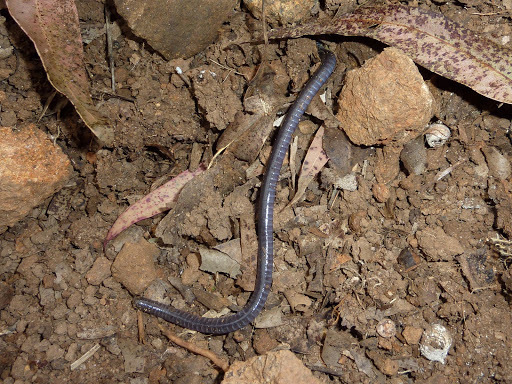
Sagalla Caecilian (Boulengerula niedeni)
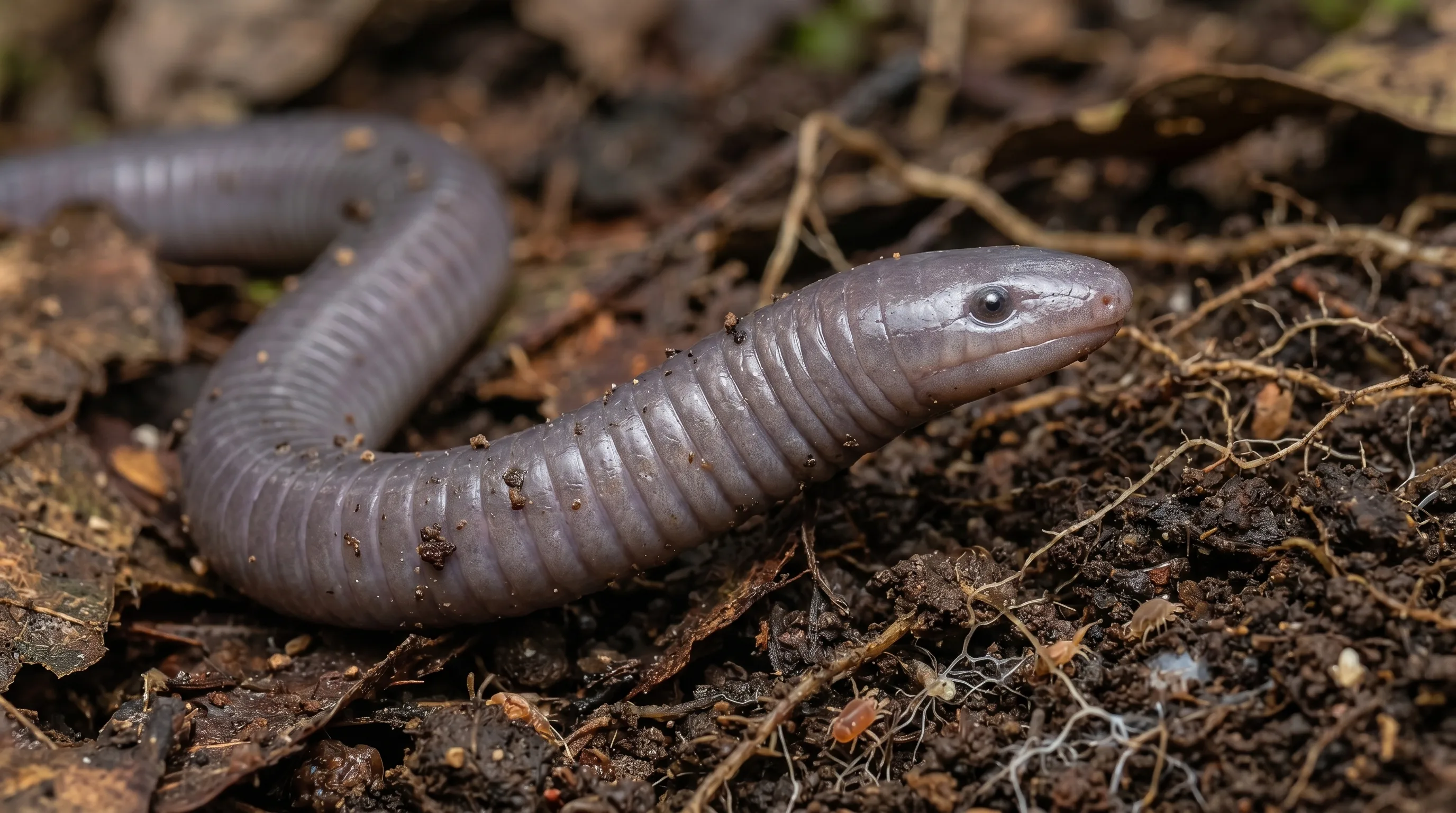
Sagalla Caecilian (Boulengerula niedeni)
Introduction
In the red volcanic soil of a single hill rising from the semi-arid lowlands of southeastern Kenya, something ancient moves. It pushes silently through the dark earth, blind by most definitions, boneless in the functional sense, and utterly alien in form to anyone raised on a steady diet of mammals and birds. The Sagalla Caecilian (Boulengerula niedeni) is a creature that challenges every assumption about what an amphibian can be — and, more profoundly, what a parent can be.
Caecilians as an order are the least visible, least studied, and least understood of the three major amphibian lineages. While frogs and salamanders have captured the public imagination through vivid colours, elaborate calls, and visible lives, caecilians have spent hundreds of millions of years perfecting the art of invisibility. They live underground, move without limbs, and navigate a world of chemical signals and seismic pressure far beyond human perception. The Sagalla Caecilian represents this secretive order at its most extreme — its entire world population confined to one geographic location no larger than several square kilometres of montane forest soil.
Sagalla Hill, part of the broader Taita Hills complex in Kenya's Coast Province, is a biological island of extraordinary diversity. Surrounded by agricultural land and degraded scrub, its forest remnants harbour species found nowhere else on Earth. The Sagalla Caecilian is among the most restricted vertebrates on the planet, its fate inexorably bound to the condition of a single hilltop ecosystem. This is not just an ecological curiosity — it is a conservation emergency wrapped in one of the most remarkable stories in vertebrate biology.
What makes Boulengerula niedeni genuinely extraordinary is not its obscurity alone. In 2008, a team of researchers led by Mark Wilkinson of the Natural History Museum in London filmed juvenile Sagalla Caecilians doing something that fundamentally reordered scientific understanding of parental care in vertebrates. The young were peeling and consuming their mother's skin — an act of organised, tolerated, repeatedly performed dermatophagy that left the scientific world briefly speechless. A mother growing specialised nutrient-rich skin for her offspring to eat. Offspring equipped with modified teeth for the task. A behaviour so strange and so precise it could only have evolved over immense geological time.
This article examines the Sagalla Caecilian in full — its biology, its ecology, its evolutionary story, and the precarious future it faces as its habitat shrinks around it. It is a species most people will never see, but whose existence illuminates something fundamental about the depth and creativity of life on Earth.
"The most important thing I have learned about the living world is that we barely know it. In the soil beneath our feet entire empires exist that we have not named."
— E.O. Wilson, naturalist and biologist
Scientific Classification
The Sagalla Caecilian occupies a position within the vertebrate tree of life that is simultaneously ancient and precisely defined. Its placement within the order Gymnophiona marks it as a member of one of the most evolutionarily distinct lineages of terrestrial vertebrates, diverging from the common amphibian ancestor at least 250 million years ago — before the supercontinent Pangaea had fully fragmented.
Kingdom: Animalia
Phylum: Chordata
Class: Amphibia
Order: Gymnophiona (Caecilians)
Family: Herpelidae
Genus: Boulengerula
Species: Boulengerula niedeni Greenbaum & Measey, 2004
The genus Boulengerula is named in honour of the Belgian-British zoologist George Albert Boulenger, one of the most prolific herpetologists of the late 19th and early 20th centuries. The species epithet niedeni honours Jörg Nieder, a German conservation biologist who conducted significant ecological research in the Taita Hills region of Kenya. The species was formally described in 2004 by Eli Greenbaum and John Measey following collection work in the Sagalla Hill area.
The family Herpelidae was established following a comprehensive molecular phylogenetic study in 2011 that reorganised much of caecilian taxonomy. Prior to this revision, Boulengerula was placed within the broadly defined Caeciliidae. The Herpelidae family contains exclusively African caecilians and is characterised by a suite of both morphological and molecular features that distinguish it clearly from the South American and Asian families. Within the genus Boulengerula, approximately eight species are currently recognised, all confined to sub-Saharan Africa, but B. niedeni stands apart by its extraordinary geographic restriction.
Physical Characteristics
To look at a Sagalla Caecilian is to confront a form of vertebrate life stripped of almost every feature we instinctively associate with animals. There are no limbs, no external tail of significance, no visible ears, and no functional eyes in any conventional sense. What remains is an elongated, muscular, annulated cylinder of life — and upon closer examination, a body finely engineered for subterranean existence.
Adult Sagalla Caecilians typically measure between 25 and 35 centimetres in total length, though individual variation exists and larger specimens have been recorded. The body is uniformly cylindrical, tapering gently toward the posterior end. Across its length, a series of ring-like grooves — called annuli — divide the skin into segments that superficially resemble the rings of an earthworm. These are not true segmental divisions of the body; they are folds of skin overlying a body wall that contains longitudinal and circular muscle layers adapted for concertina-style locomotion through soil.
The colouration of Boulengerula niedeni is a deep bluish-grey to violet-purple, occasionally with hints of slate or charcoal depending on the individual and its physiological state. The ventral surface is typically paler. This colouration is partly functional — the skin contains mucous glands that produce secretions contributing to the moist, somewhat iridescent appearance of a freshly uncovered animal, and possibly offering some degree of chemical deterrence to predators.
The head is compact, bluntly rounded, and reinforced by a heavily ossified skull. In fossorial caecilians, the skull is used as a bony ram to push through compacted soil. The mouth is subterminal — positioned on the underside of the head — and armed with small, recurved teeth in both upper and lower jaws. In juveniles, the dentition is temporarily modified for skin-feeding purposes, a feature discussed in detail under Reproduction. The eyes are vestigial — tiny, functionless photoreceptors buried beneath the skin and occasionally under a thin scale of bone. They detect light and dark at best, conveying no useful visual image of the world.
The sensory system most important to this species is housed in a pair of small, retractable tentacles located in shallow grooves between the eyes and the nostrils. These tentacles are unique to caecilians among all living vertebrates. They function as chemosensory organs, transferring chemical signals from the environment to the Jacobson's organ (vomeronasal organ) inside the skull. Through these tentacles, a Sagalla Caecilian essentially "smells" its way through the soil, detecting earthworms, invertebrate eggs, moisture gradients, and potentially chemical signals from conspecifics — all without ever surfacing.
Fun Fact The chemosensory tentacles of caecilians are found in no other vertebrate group on Earth — they represent a completely independent evolutionary solution to the problem of sensing a dark, chemically rich underground world.
Habitat & Geographic Distribution
The Sagalla Caecilian is among the most geographically restricted vertebrates on Earth. Its entire known range encompasses Sagalla Hill in the Taita Hills district of Kenya's Taita-Taveta County, in the southeastern part of the country. The Taita Hills themselves form an isolated archipelago of high-altitude forest — mountaintop islands of montane vegetation surrounded by increasingly dry acacia-dominated lowlands. Within this already-restricted context, Boulengerula niedeni is known only from Sagalla Hill and not from the other major forest blocks of the Taita Hills such as Ngangao or Mbololo.
Sagalla Hill rises to approximately 1,640 metres above sea level, though the caecilian's distribution likely spans a range of altitudinal zones within its forest and forest-edge habitats. The relevant microhabitat is moist, organically rich soil beneath intact forest canopy or in areas of dense herbaceous ground cover. The species occupies the upper layers of the soil profile, typically within the first 30 to 50 centimetres beneath the surface, where invertebrate prey density is highest and moisture levels are maintained by leaf litter decomposition and root activity.
The geology of Sagalla Hill is predominantly ancient basement complex rock with lateritic and loamy soils developed over millennia of forest leaf decomposition. These soils are dark, friable, and rich in organic material — ideal for burrowing locomotion and for supporting the earthworm communities that form the caecilian's principal food source. Soil compaction from agricultural activity, cattle trampling, or removal of the forest canopy rapidly degrades the microhabitat, making the soil denser, drier, and less productive for invertebrates.
The climate of Sagalla Hill is defined by two rainy seasons — the long rains from March to May and the short rains from October to December — interspersed with drier periods. The caecilian's activity patterns, reproductive cycles, and food availability are intimately tied to this seasonality. During wet periods, soils remain saturated and loose, earthworm activity peaks near the surface, and caecilians likely move more extensively. During dry periods, retreat to deeper soil layers offers both moisture conservation and protection from desiccation.
Feature | Sagalla Caecilian (B. niedeni) | Taita Hills Caecilian (B. taitanus) | Uluguru Caecilian (B. ulugurensis) |
|---|---|---|---|
Range | Sagalla Hill only, Kenya | Taita Hills, Kenya | Uluguru Mountains, Tanzania |
Body Length | 25–35 cm | 20–30 cm | 25–40 cm |
Habitat Preference | Moist montane forest soil | Moist montane forest soil | Montane forest soil |
IUCN Status | Endangered (EN) | Endangered (EN) | Vulnerable (VU) |
Dermatophagy documented | Yes (confirmed, 2008) | Yes (confirmed) | Yes (confirmed) |
Behaviour & Social Structure
The social world of the Sagalla Caecilian is, by the standards of more familiar vertebrates, almost vanishingly simple — yet to dismiss it as behaviorally impoverished would be a mistake. Subterranean life imposes specific constraints and demands specific solutions, and the behaviours that Boulengerula niedeni exhibits within those constraints reveal an animal precisely calibrated to its environment.
Caecilians are fundamentally solitary creatures for most of their adult lives. There is no evidence of communal burrow systems, social hierarchies, cooperative foraging, or group defence behaviours in Boulengerula niedeni or its close relatives. Each individual maintains its own territories within the soil matrix, encountering conspecifics most relevantly during breeding seasons or the extended period of maternal care. The spatial structure of a population is therefore determined largely by resource distribution — the patchwork of moist soil zones, earthworm density gradients, and root network structures that define underground quality of life.
Communication in subterranean species relies heavily on chemical signals rather than visual or acoustic channels. The tentacular system allows B. niedeni to sample dissolved chemical compounds in soil moisture and in the thin films of water coating soil particles. Whether these chemicals include pheromones used for mate location, territory marking, or kin recognition is not fully resolved in the published literature, but studies of related caecilian species strongly suggest that chemical communication is central to reproductive coordination. The tentacles are not passive organs — they are actively protruded and retracted as the animal moves, creating a continuous chemical survey of the immediate environment.
Locomotion in the Sagalla Caecilian deserves close attention as a behavioural phenomenon. Unlike earthworms, which rely primarily on hydrostatic pressure and setae, caecilians use two primary locomotion modes: concertina movement — in which the front body anchors while the rear accordions forward, followed by the front extending — and rectilinear creep using the skin muscles in a wave pattern. In loose soil, they may also use lateral undulation. The choice of mode depends on substrate density and tunnel dimensions. In previously excavated burrows, more efficient gliding occurs; in unbroken soil, the energy cost of burrowing is substantially higher, which is why dry-season soil compaction represents a genuine survival challenge.
Tactile communication may also play a role, particularly in the maternal care context. The passive tolerance of juvenile skin-feeding behaviour described in Boulengerula taitanus and almost certainly present in B. niedeni requires the mother to modulate what would otherwise be a defensive response to body contact. This suggests some level of kin recognition or stimulus-specific behavioural suppression that represents a more sophisticated internal state than simple reflexive responses.
Daily Life & Activity Cycle
The daily life of a Sagalla Caecilian is conducted entirely beneath the soil surface and is therefore largely invisible to direct observation. What is understood comes from a combination of laboratory studies, targeted field excavations, isotopic analysis of gut contents, and inference from the ecology of related species. The picture that emerges is of an animal with a slow, energetically conservative lifestyle punctuated by active phases of foraging and, seasonally, reproduction.
There is no conventional day-night rhythm in the life of a Sagalla Caecilian in the way that governs surface-active species. Underground, light levels are essentially constant and negligible. The dominant temporal cue is likely moisture — the rhythm of the rainy seasons, the overnight saturation of surface soils, and the thermal gradients that develop through the soil profile over the course of a day. During warm, dry conditions, the caecilian retreats deeper into the soil where temperatures are more stable and moisture is retained. As temperature and moisture conditions improve — typically during and after rainfall — animals become more active in shallower soil layers where prey density is higher.
Foraging appears to be an episodic activity rather than a continuous one. The chemosensory tentacles work ahead of the animal as it moves, sampling chemical traces of earthworm mucus, decomposing organic material, and invertebrate activity. When a chemical gradient suggests prey nearby, the caecilian redirects its path. An earthworm detected at close range is seized with a rapid jaw strike; the recurved teeth prevent escape. Larger worms may be subdued by being rotated — a behaviour seen in caecilians whereby they spin their body axially to tear off a manageable piece of prey.
Periods of inactivity — rest or torpor — are likely common, particularly during the driest months of the year when soil conditions are most challenging. During these periods, the metabolic rate of the animal probably drops significantly, reducing water loss and energy expenditure to sustainable levels. The physiology of cutaneous water exchange is critical here — caecilian skin is not as impermeable as reptile skin, and water loss across the body surface is a genuine physiological risk in dry conditions.
The overall daily rhythm is therefore best characterised as: deep rest during extreme dry conditions, moderate activity at stable soil depths during average conditions, and increased surface-layer activity during and after rainfall events when earthworms migrate upward and soil resistance to movement is lowest.
The short rains have arrived on Sagalla Hill. Within hours of the first substantial rainfall, the red-brown earth begins to change. Earthworms emerge in the upper centimetres of soil, responding to moisture saturation with their own migration toward surface layers. In the darkness below the leaf litter mat, the chemical trace of an earthworm's mucus diffuses through a thin film of water clinging to soil particles.
Several centimetres away, a Sagalla Caecilian pauses mid-movement. Its tentacles extend, retract, extend again. The concentration gradient is unmistakable — the chemical signature of Lumbricus-type compounds, the molecular fingerprint of a large earthworm actively burrowing. The caecilian redirects. Its body compresses and extends through the friable, rain-loosened soil with a facility it could not manage three weeks ago when the earth was baked and hard.
Contact. The jaw strike is fast — less than a second from detection to grip. The earthworm contracts violently, but the recurved teeth hold. A brief axial rotation follows, and the prey is subdued. The Sagalla Caecilian pauses for several minutes, motionless except for the slow working of its jaw muscles. Then it begins to move again, deeper this time, carrying the chemical memory of this successful corridor through the soil for the next passage.
Above ground, on the forest floor of one of the last intact patches of Sagalla's forest, a researcher from the National Museums of Kenya carefully marks the excavation point in a field notebook. It took forty minutes of careful hand-digging to reach this individual. That fact alone tells the entire conservation story of this species — buried, hidden, extraordinarily difficult to find, and dependent on a patch of suitable soil that continues to shrink each agricultural season.
Diet & Survival Strategies
The Sagalla Caecilian is a carnivore adapted to the subterranean invertebrate community of its forest soil habitat. Its diet is centred on earthworms, which represent the most energetically rewarding and consistently available prey in moist tropical forest soils. Alongside earthworms, the species likely consumes termites and their larvae, beetle larvae, fly larvae, small crickets, and other soft-bodied invertebrates encountered during foraging. There is no evidence of plant material consumption — the digestive anatomy and tooth morphology are those of an active, exclusive carnivore.
Earthworms represent an ideal prey item for a fossorial predator. They are abundant in organically rich forest soils, relatively large in body mass compared to soil insects, slow-moving, non-venomous, and carry a high caloric value per unit of digestive effort. The mucous coating of earthworms, which allows them to move through soil, also carries chemosensory-detectable compounds that allow caecilians to locate them from a distance. The dependence on earthworm populations, however, creates a critical ecological link — any environmental change that reduces earthworm density directly reduces food availability for the caecilian. Soil compaction, pesticide runoff from adjacent agricultural land, and pH changes following forest clearance all negatively affect earthworm communities.
The hunting strategy of B. niedeni is essentially one of directed chemical pursuit followed by rapid mechanical capture. There is no ambush predation in the conventional sense — the caecilian does not wait motionless for prey to approach. Instead, it actively navigates the soil matrix using chemical gradient tracking, pausing periodically to sample the environment before adjusting direction. This strategy is energy-efficient relative to random searching and allows the animal to exploit patchy prey distributions effectively.
During periods of food scarcity — which coincide with the dry season when earthworm populations retreat to deeper soil layers — the caecilian's slow metabolic rate becomes an important survival asset. Unlike endothermic animals that must maintain constant body temperature through continuous food consumption, B. niedeni can substantially reduce its metabolic demands and survive extended periods of reduced foraging success. This physiological flexibility is likely essential for persistence through the Kenyan dry season.
Competition for food within the Sagalla Hill ecosystem is primarily with other soil-dwelling invertebrate predators — centipedes, ground beetles, and potentially other burrowing vertebrates. However, the combination of the caecilian's size, its chemosensory precision, and its ability to exploit deeper soil layers likely reduces direct competitive pressure from smaller invertebrate predators. The more significant competition is with the soil ecosystem as a whole — a degraded soil supporting fewer invertebrates means reduced food availability at every level of the underground food web.
Fun Fact Caecilians use a unique "axial rotation" technique to subdue prey — they grip an earthworm with their recurved teeth and spin their entire body like a corkscrew, tearing off manageable pieces of prey in a behaviour reminiscent of a crocodile's death roll.
Interaction with Other Animals
The ecological relationships of the Sagalla Caecilian within the Sagalla Hill ecosystem span several dimensions: predation, competition, prey relationships, and the more diffuse interactions that shape the soil food web. Despite the hidden nature of its life, Boulengerula niedeni is connected to a web of biological interactions that extends from the microbiome of the soil to the larger vertebrates that patrol the forest floor above.
As a prey species, the Sagalla Caecilian faces risks primarily from surface predators that are capable of excavating or encountering caecilians at the soil surface. Snakes — particularly fossorial species and those that actively probe the soil and leaf litter — represent significant predators. In East African montane forest systems, burrowing asps (Atractaspis species) and certain colubrid snakes with fossorial tendencies are potential predators. Forest monitor lizards (Varanus species) and secretary birds may also take caecilians encountered at or near the surface, particularly after heavy rains flush individuals upward. Some raptor species known to hunt in montane forest environments may opportunistically prey on caecilians found in disturbed soil.
The chemical secretions from the caecilian's skin glands likely serve a defensive function, producing compounds that are distasteful or irritating to some predators. This is a common strategy among amphibians, and while the specific chemistry of B. niedeni skin secretions has not been fully characterised, the moist, mucous skin surface of all caecilians carries some degree of chemical defence.
As a predator, the Sagalla Caecilian interacts directly with the earthworm community, termite colonies, and various insect larval populations. Its predation pressure on earthworms is functionally significant — it removes individuals from the population and potentially influences the spatial distribution of earthworm activity zones. Termite colonies encountered during caecilian burrowing may respond with alarm pheromones and soldier activity; how the caecilian responds to termite defensive secretions is not fully documented, but related caecilian species have been observed consuming termites with apparent immunity to their chemical defences.
Within the broader amphibian community of Sagalla Hill, the caecilian occupies a largely separate niche from any surface-active frog species. There is minimal dietary or spatial overlap with frogs that hunt in the canopy or on exposed surfaces at night. However, within the soil layer, the caecilian may interact with burrowing frog species during dry-season aestivation periods when multiple taxa retreat into deeper soil for moisture conservation.
Interaction with Environment
The relationship between the Sagalla Caecilian and its physical environment is one of profound mutual dependence. The animal does not merely live in the soil — it is ecologically integrated into the soil system in ways that affect the physical and biological properties of that soil in return. This bidirectional relationship makes the species both a product of its environment and an active participant in its maintenance.
Burrowing activity by caecilians creates and maintains channels through the soil matrix that improve drainage, aeration, and root penetration. While a single caecilian's tunnelling activity may seem negligible, a population of individuals in soil over many years creates a persistent network of passages that improves soil structure in ways that benefit both plant root systems and earthworm movement. The burrowing activity also mixes organic material from near-surface layers deeper into the soil profile, contributing to nutrient cycling in a manner analogous to, though less studied than, earthworm bioturbation.
The caecilian's dependence on moisture is ecologically significant. The species acts as a biological indicator of soil moisture conditions — its presence in surface layers signals adequate hydration, while its retreat to deeper levels signals dry-season stress. For conservation monitoring, the detectability of caecilians during standardised soil searches reflects forest health: intact canopy maintains humidity and reduces solar heating of soil; cleared land bakes rapidly, making upper-soil detection of caecilians impossible and their continued presence uncertain.
The relationship with the Sagalla Hill forest itself is therefore not incidental but structural. The closed canopy of intact montane forest creates the temperature buffer and moisture retention that allows the soil to remain hospitable year-round. The deep leaf litter produced by forest trees provides both the organic substrate that supports earthworm populations and a physical insulating layer that prevents rapid moisture loss from the soil surface. Remove the trees, and the cascade of effects — higher soil temperature, faster moisture evaporation, reduced leaf litter, declining earthworm density, increased soil compaction from direct rainfall impact — dismantles the entire habitat system that Boulengerula niedeni depends on.
Seasonal flooding during peak rainfall periods presents a different interaction. Saturated soils may temporarily force caecilians toward higher elevations on the hill or into shallower drainage networks where the oxygen content of the soil water remains adequate for cutaneous respiration. Caecilians respire partly through their skin, exchanging gases with moist soil air, and prolonged waterlogging can create anoxic conditions at the level of the soil. The ability to navigate these seasonal challenges is built into the caecilian's physiology but only functions within the range of environmental variation the species has historically experienced.
Reproduction & Parenting
The reproductive biology of the Sagalla Caecilian is among the most scientifically compelling stories in contemporary herpetology. It involves a form of parental investment so physiologically costly and behaviourally specific that it stands as one of the most remarkable examples of vertebrate maternal care documented in the 21st century.
Caecilians reproduce through internal fertilisation, which is itself unusual among amphibians — most frogs and salamanders practise external fertilisation in water. Male caecilians possess a specialised intromittent organ called the phallodeum, which transfers sperm directly to the female's cloaca. In Boulengerula niedeni, fertilisation almost certainly occurs in this manner, consistent with all other members of the genus. The specific courtship behaviours preceding mating in this species are not well described in the field, but in related caecilians, males locate females primarily through chemical signals carried by the tentacular system, and mating involves extended body intertwining.
Boulengerula niedeni is a direct-developing species — that is, it does not pass through a free-living aquatic larval stage. The eggs are fertilised and retained within the female's oviducts, where embryonic development takes place over a gestation period estimated at several months. The emerging offspring are miniature versions of the adults, fully formed and immediately capable of independent burrowing movement. Clutch sizes in the genus Boulengerula are typically small — between two and nine offspring — reflecting the high energetic investment per individual young that characterises this reproductive strategy.
But the story does not end at birth. What happens in the weeks following parturition transforms this species from a biological curiosity into a scientific landmark. The female Sagalla Caecilian grows a specialised outer layer of skin that is markedly thicker than normal, richer in fat content and nutrients, and with a modified cellular structure. Her young — equipped with temporary teeth that are spatulate and multicusped, structurally different from the monocusped teeth they will carry as adults — use these specialised teeth to grip and strip this layer from the mother's body.
The behaviour, called dermatophagy (skin eating), was documented and published by Wilkinson et al. in 2008 in the journal Biology Letters. The filmed footage showed juveniles of the closely related Boulengerula taitanus — and the behaviour is considered present in B. niedeni as well — performing synchronised bouts of skin stripping on a passive mother. The mother does not withdraw, does not attempt to dislodge the young, and regenerates the consumed skin layer within days, allowing repeated feeding sessions over a period of weeks. She loses significant body condition during this period, but the young gain a nutritional head start that substantially improves their early survival probability.
Fun Fact The juvenile Sagalla Caecilian temporarily grows a completely different set of teeth from its adult dentition — flat, multi-cusped scrapers specifically evolved for peeling its mother's skin. These specialised juvenile teeth are replaced as the animal matures and transitions to earthworm predation.
This behaviour has profound implications for understanding the evolution of parental care in vertebrates. It demonstrates that skin-based maternal nutrient provisioning is not unique to mammals — whose milk production from modified sweat glands is considered the defining feature of their class — but has evolved convergently in an entirely different vertebrate lineage, through an entirely different physiological mechanism. The nutrient transfer from mother to offspring via modified dermal tissue is functionally analogous to lactation in its selective pressure on maternal physiology and its developmental consequences for offspring.
The timing of reproduction in the Sagalla Caecilian is likely tied to the rainy season. Parturition during or shortly before the long rains provides the humid soil conditions most favourable for juvenile survival, earthworm availability for post-weaning foraging, and the kind of loose, aeratable soil through which newly emerged juveniles can begin independent burrowing.
Evolutionary Adaptations
The Sagalla Caecilian is the product of one of the longest uninterrupted evolutionary lineages among living tetrapods. The order Gymnophiona is estimated to have diverged from the common ancestor shared with frogs and salamanders more than 250 million years ago, during the Permian or early Triassic period. The fossil record of caecilians is frustratingly sparse — their small, delicate bones rarely preserve well, and their subterranean lifestyle puts them outside most fossilisation scenarios — but molecular clock analyses and the few available fossil specimens confirm that caecilians have had an immense span of evolutionary time to refine their body plan.
The complete loss of limbs in caecilians — unlike the independent losses seen in some lizard lineages — is ancient and phylogenetically locked. There are no rudimentary limb structures, no shoulder or pelvic girdle remnants of functional significance in most taxa. The musculoskeletal system has been entirely reorganised around a body plan in which the vertebral column, associated musculature, and the skull are the primary structural and functional elements. The vertebral column is exceptionally long — with more vertebrae than most other tetrapods — and the intervertebral joints provide the flexibility necessary for the multiple locomotion modes used in tunnelling.
The skull of Boulengerula niedeni, like that of all stegokrotaphic caecilians (those with a closed temporal region in the skull roof), is a solid, braced structure designed for compressive loading. The heavy ossification of the skull bones and the tight suturing of their joints converts the head into an effective geological tool capable of displacing compacted soil. This "head-first bulldozing" strategy requires both a strong skull and coordinated body musculature that can generate forward thrust without buckling.
The evolution of the tentacular organ deserves emphasis as one of the most sophisticated sensory adaptations in the vertebrate world. Uniquely positioned between the eye and nostril, and connected to a specialised vomeronasal pathway in the brain, the tentacle represents an entirely novel sensory solution. Most vertebrate chemosensory systems either work at distance (olfaction) or require direct contact (taste). The caecilian tentacle achieves an intermediate register — active, directional, and capable of distinguishing fine chemical gradients in the soil environment. The neural infrastructure supporting this system includes an enlarged olfactory bulb and vomeronasal system relative to overall brain size.
The skin itself is an evolutionary adaptation of multiple dimensions. In addition to its reproductive role in maternal dermatophagy, caecilian skin contains complex glandular networks that produce mucous secretions for locomotion (reducing friction), hydration regulation (limiting water loss through cutaneous exchange), and chemical defence (producing noxious or irritating compounds). Some caecilian species have calcite scales embedded in the dermis — a feature more common in fish than tetrapods, and evidence of the ancient origins of the caecilian body plan — though the expression of this feature varies across the family.
The transition to direct development — bypassing the aquatic larval stage entirely — represents a major evolutionary departure from the ancestral amphibian condition and an adaptation of profound survival significance. It decouples reproduction from the availability of surface water bodies, allowing the Sagalla Caecilian to complete its entire life cycle underground in a montane forest environment where standing water may be limited or seasonally absent. This adaptation, shared with many derived frog lineages, allowed caecilians to colonise environments inaccessible to species with obligate aquatic larval stages.
Ecological Importance
Despite its small size, extreme rarity, and hidden lifestyle, the Sagalla Caecilian plays an ecologically meaningful role in the soil ecosystem of Sagalla Hill's forest. Its importance operates across several functional levels, from direct energy flow to physical soil modification to its role as a population-level consumer within the invertebrate food web.
As a predator of earthworms and soil invertebrates, Boulengerula niedeni participates in the regulation of underground prey populations. Earthworms are themselves critical ecosystem engineers — they process leaf litter, aerate soil, and contribute enormously to nutrient cycling. A predator that regulates earthworm abundance, even modestly, can have indirect effects on the rate of organic matter decomposition, soil structure, and the availability of nutrients to plant roots. The top-down pressure that the caecilian exerts on earthworm populations is a thread in the ecological fabric of the forest floor that, when removed, shifts that fabric in ways that may be difficult to predict or reverse.
As prey, the Sagalla Caecilian transfers energy upward through the food web to the snake and bird species that prey on it. This energy linkage connects the soil invertebrate community — at the base of the underground food web — to the visible predator community of the forest. The removal of an intermediate link of this nature simplifies the food web, reducing its resilience to further perturbation.
The burrowing activity of caecilians contributes to soil bioturbation — the physical disturbance and mixing of soil layers. This process, shared with earthworms and soil arthropods, maintains soil porosity and the pathways through which water, gases, and organic material move through the soil profile. In a forest where root systems are dense and leaf litter input is continuous, efficient bioturbation is an important process for preventing soil compaction and maintaining the productive capacity of the forest floor.
The Sagalla Caecilian also serves an important ecological function as a biological indicator species. Its presence and detectability correlate strongly with soil quality, moisture regime, and invertebrate community health. A declining caecilian population can signal deteriorating forest condition before the degradation becomes apparent from canopy assessment alone. This makes the species a sensitive and informative early-warning indicator for conservation monitoring.
Threats & Conservation
The threats facing the Sagalla Caecilian are severe, spatially concentrated, and largely anthropogenic. Because the species exists on a single hill, every threat that affects Sagalla Hill affects the entire global population. There is no population refuge, no secondary range to which the species might retreat or be translocated with confidence. This geographic reality transforms what might be moderate regional threats for a wide-ranging species into existential pressures for Boulengerula niedeni.
Agricultural expansion is the most pervasive and continuous threat. Sagalla Hill has a significant human population that has cultivated the hillside for generations. Smallholder farming — growing maize, beans, vegetables, and cash crops — has progressively cleared the native forest from lower and mid-elevation zones. As cleared areas have proven fertile (initially, before soil degradation sets in), pressure has moved upward. The forest remnants at higher elevations are the last refugia for the caecilian, and they continue to be cleared at the margins each agricultural season.
Charcoal production and firewood collection represent secondary forest pressures. The economic constraints facing communities on and around Sagalla Hill mean that standing trees have direct economic value as fuel. The selective removal of larger trees opens the canopy, increases light penetration, dries the soil, and begins the cascade of soil degradation that eliminates caecilian habitat even before full clearance occurs.
Invasive plants have colonised disturbed forest margins on Sagalla Hill, displacing native understory species and altering the leaf litter composition and volume in ways that affect earthworm communities. Non-native plants typically produce leaf litter with different decomposition rates and chemical characteristics than the native species they replace, potentially reducing the earthworm populations that support the caecilian's food base.
Climate change adds a systemic layer of uncertainty to these direct threats. Changes in the timing and reliability of the rainy seasons in East Africa — which are already evident in regional climate records — directly affect the moisture regime of Sagalla Hill's soils. More erratic rainfall, longer dry seasons, and higher ambient temperatures accelerate soil moisture loss and earthworm population fluctuations, stressing the caecilian population at the physiological level even within intact forest areas.
IUCN Red List Analysis
Current IUCN Status
The Sagalla Caecilian (Boulengerula niedeni) is listed as Endangered (EN) on the IUCN Red List of Threatened Species. This classification reflects the species' extremely restricted geographic range combined with ongoing and projected decline in the extent and quality of its habitat. Under the IUCN criteria, the classification aligns most directly with Criterion B — restricted geographic range — specifically B1 (Extent of Occurrence below the Endangered threshold of 5,000 km²) combined with B2 (Area of Occupancy below 500 km²), alongside evidence of continuing habitat decline.
The Endangered classification is scientifically justified not merely by the small area of occupancy but by the qualitative nature of the threats to that area. A species occupying a small range in stable, protected habitat might merit a lower threat category. The Sagalla Caecilian occupies a small range in actively degrading, mostly unprotected habitat under immediate and ongoing pressure. The combination of extreme restriction and active threat trajectory is precisely the conditions the Endangered category is designed to flag.
Population Trend
The population trend for Boulengerula niedeni is assessed as decreasing. No precise population census has been conducted — the fossorial lifestyle of the species makes reliable population estimation technically very difficult — but the trend is inferred from documented habitat loss on Sagalla Hill over recent decades. Aerial and satellite imagery analysis of forest cover on Sagalla Hill demonstrates continued forest loss and fragmentation, and the correlation between intact forest area and caecilian habitat suitability is direct and well-established for this genus.
Historical accounts and comparative assessments suggest that the suitable habitat area on Sagalla Hill has contracted significantly over the past 50 years. The remaining intact forest is fragmented into several patches, each individually vulnerable to further clearance and edge effects. As fragment size decreases below certain thresholds, soil moisture at the interior of a fragment approaches that of the degraded matrix around it, effectively shrinking the usable habitat further even without additional clearance.
Main Threats
Agricultural encroachment remains the primary driver of habitat loss. Smallholder farming has progressively displaced forest at lower and mid-elevations, and the agricultural frontier continues to advance upslope. Each cleared hectare of forest eliminates a section of the caecilian's habitat permanently — agricultural soils, compacted by tillage, depleted of organic matter, and exposed to solar radiation, cannot support viable caecilian populations.
Firewood extraction and charcoal production create partial degradation of remaining forest. Canopy opening from selective logging reduces soil moisture retention, increases soil temperature variance, and reduces the leaf litter inputs that sustain earthworm populations. The caecilian can potentially persist in partially degraded forest, but at lower densities and with reduced reproductive success.
Invasive plant species in disturbed forest margins alter the quality of the soil ecosystem. Plants such as Lantana camara and various introduced grasses establish on cleared or disturbed land, forming dense monocultures that prevent forest regeneration and produce leaf litter that decomposes differently from native forest material, potentially reducing earthworm diversity and abundance.
Climate change acts as a threat multiplier. Changing rainfall patterns in southeastern Kenya — including more intense but less frequent rainfall events, longer dry seasons, and rising temperatures — stress the soil moisture system on which the caecilian depends. These changes interact with habitat fragmentation to increase the probability of local extinction events within individual forest patches.
Very small population size is itself a threat through the demographic and genetic processes that affect small, isolated populations. Inbreeding depression, reduced adaptive potential, and stochastic events (disease outbreaks, local drought events, single forest fires) can rapidly deplete a population with no ability to recover through immigration from other locations.
Ecological Consequences
If the population of Boulengerula niedeni were to decline to the point of functional extinction — or to complete extinction — the ecological consequences for Sagalla Hill's forest soil system would unfold gradually but cumulatively. The loss of a soil predator removes a regulatory influence on earthworm and invertebrate populations, potentially allowing prey populations to fluctuate more widely and unpredictably. While the caecilian is not the only earthworm predator in the system, each predator removed from a simplified food web reduces the stability of remaining predator-prey dynamics.
The bioturbation contribution of the caecilian population would cease, marginally reducing soil porosity and gas exchange in a forest floor already under pressure from compaction at its agricultural margins. The loss of the species as a bioindicator would also eliminate a sensitive monitoring tool for forest soil health — a scientific loss that reduces the ability of conservation managers to detect early-stage degradation.
At the broader taxonomic level, the extinction of B. niedeni would represent the loss of a distinct evolutionary lineage from the genus Boulengerula and from the family Herpelidae. Each species in a genus carries unique allelic variation, morphological traits, and ecological functions not fully replicated in any congener. The evolutionary information encoded in this species — including the genetic basis of its skin-feeding dermatophagy system — cannot be recovered once the species is gone.
Conservation Efforts
Formal conservation efforts for the Sagalla Caecilian have been limited, reflecting both the general under-resourcing of amphibian conservation and the species' low public profile. Sagalla Hill does not fall within a nationally gazetted protected area, and the forest remnants are subject to the same land-tenure pressures as surrounding farmland. Community-based conservation initiatives in the Taita Hills region have had some success in establishing forest exclusion zones and tree-planting schemes, but enforcement and long-term land security remain challenges.
Research programmes, primarily led by the Natural History Museum in London (Mark Wilkinson and colleagues) and the National Museums of Kenya, have generated the foundational biological knowledge base for the species. The 2008 documentation of dermatophagy in Boulengerula taitanus brought international scientific attention to the genus and indirectly to B. niedeni. This research visibility is an important foundation for future funding and conservation prioritisation.
The IUCN Amphibian Specialist Group includes Boulengerula niedeni in its assessments of East African caecilians, and the species benefits from inclusion in broader East African amphibian conservation frameworks that identify the Taita Hills as a priority biodiversity hotspot. International recognition of the Eastern Afromontane Biodiversity Hotspot — of which the Taita Hills are a component — provides a conservation policy framework under which protection of Sagalla Hill's forest remnants can be advocated.
Future Outlook
The long-term outlook for Boulengerula niedeni must be characterised as precarious. The species' single-locality existence provides no natural resilience against the continued and accelerating pressures it faces. Without formal legal protection of the remaining forest on Sagalla Hill — through gazettement as a forest reserve, community land trust, or equivalent legal instrument — the habitat will continue to erode. Without that habitat, the population has nowhere to go.
The species does have several factors working in its favour: it is a scientifically documented and internationally recognised endemic, it has been the subject of genuinely landmark research that attracts scientific interest, it reproduces through direct development (removing dependence on aquatic habitat), and it has demonstrated the ability to persist in relatively small forest fragments. These characteristics make it a realistic target for conservation success if adequate habitat protection is achieved.
The most critical near-term conservation intervention needed is secure legal protection for the intact forest remnants on Sagalla Hill combined with community engagement programmes that provide sustainable economic alternatives to forest clearance. Without this foundation, even the most sophisticated conservation science cannot prevent eventual extinction of a species confined to a single degrading hilltop.
Human Relationship
The Sagalla Caecilian exists in a complex and largely unrecognised relationship with the human communities of Sagalla Hill. The Taita people, who have inhabited the Taita Hills for centuries, have a deep cultural connection to their landscape — including the forests that once covered much of these hills. Forest patches in the Taita Hills were traditionally maintained as sacred groves and burial sites, a cultural practice that incidentally provided some protection for forest species including, unknowingly, the caecilians living in their soils. As these cultural practices have weakened under modern pressures, their protective value has diminished.
There is no evidence of traditional knowledge about caecilians specifically among Taita communities, and the species receives no cultural recognition, totemic significance, or protective status in local cultural frameworks that could be leveraged for conservation. Their underground lifestyle renders them effectively invisible to most community members — they are occasionally encountered during agricultural digging and are typically regarded with confusion or as unimportant curiosities. Some farmers may associate burrowing animals with soil damage, creating a mild negative perception that does not facilitate conservation sympathy.
Scientific tourism to the Taita Hills — and the broader Taita-Taveta region — is modest but growing. The unique biodiversity of the area, including several endemic birds, reptiles, and the caecilians, has attracted herpetologists, ornithologists, and biodiversity researchers who contribute modestly to the local economy. Building a conservation economy around the Taita Hills' unique biodiversity is a strategy that has shown success in other African biodiversity hotspots and represents a genuine opportunity for the Sagalla Hill ecosystem.
The scientific community's relationship with this species has been transformative in ways beyond the individual species. The documentation of dermatophagy generated widespread media coverage in 2008, bringing the existence of caecilians to a global public audience that had never heard of them. This outreach value — the capacity of a single dramatic discovery to shift public understanding of the diversity of vertebrate life — is an underappreciated dimension of the species' cultural significance. The Sagalla Caecilian, through its remarkable biology, has served as an ambassador for the entire order of Gymnophiona.
Unique & Rare Facts
Single-hill endemism: The entire global population of Boulengerula niedeni is confined to Sagalla Hill in Kenya — a geographic restriction so extreme it is matched by very few vertebrate species anywhere on Earth.
Maternal dermatophagy: Female Sagalla Caecilians grow a thickened, nutrient-rich skin layer specifically for their offspring to strip and eat — a form of parental provisioning analogous to lactation but achieved through an entirely independent physiological mechanism evolved hundreds of millions of years apart from mammals.
Temporary juvenile dentition: Young Sagalla Caecilians possess spatulate, multi-cusped teeth for skin-peeling that are replaced entirely as they mature and transition to earthworm predation — two functionally distinct dentitions within a single individual's lifetime.
Unique vertebrate sensory organ: The tentacular chemosensory organ between eye and nostril exists in no vertebrate group other than caecilians — it is a completely independent evolutionary solution with no homolog in any other living tetrapod.
Limbless tetrapod: Despite being a tetrapod — descended from four-limbed ancestors — the Sagalla Caecilian has no trace of limbs, shoulder girdle, or pelvic girdle of functional significance, representing an ancient and total morphological commitment to the fossorial body plan.
Ancient lineage: Caecilians diverged from the common amphibian ancestor more than 250 million years ago, predating the rise of dinosaurs. The body plan of B. niedeni is the product of a quarter-billion years of independent evolution.
Direct development: There is no tadpole, no larval stage, no requirement for standing water. The Sagalla Caecilian's entire life cycle occurs underground — a complete departure from the ancestral amphibian condition that represents a major evolutionary achievement.
Axial rotation predation: Like a crocodile performing a death roll, caecilians grip prey and spin their entire body axially to tear off manageable pieces — a predatory technique shared across the order and unlike that of any other terrestrial vertebrate group.
Dermally embedded scales: Some caecilian species retain vestigial fish-like scales embedded in the skin folds, a feature inherited from aquatic vertebrate ancestors and retained despite hundreds of millions of years of terrestrial evolution. The presence of scales in Boulengerula species is variable and under investigation.
Near-total sensory inversion: In a direct inversion of most vertebrate sensory hierarchies — where vision dominates — the Sagalla Caecilian's world is almost entirely chemical and tactile, with visual input contributing virtually nothing to its daily survival and navigation.
"To love what is small, unnoticed, and apparently unimportant — that is the deepest form of ecological understanding. The soil holds our history. The creatures in it hold our future."
— Robin Wall Kimmerer, botanist and author
Conclusion
The Sagalla Caecilian occupies a position in natural history that is deeply paradoxical. It is simultaneously among the most obscure and the most scientifically revelatory species known to science. It spends its entire existence underground, invisible to most of the world, in a range so small that the entire global population could theoretically be threatened by a single land-use decision affecting one hillside in southeastern Kenya. Yet what it reveals about vertebrate evolution, parental care, sensory biology, and the extraordinary resilience of life's capacity for innovation is genuinely profound.
The dermatophagy story alone deserves a permanent place in the canon of biological discovery. A mother growing specialised skin for her young to eat, young possessing teeth designed specifically for that act, a system so precisely co-evolved that it resembles lactation in its functional logic despite sharing no evolutionary history with mammary glands — this is not a curiosity. It is evidence that the solutions life finds to the fundamental challenge of raising offspring are far more varied and far more surprising than our standard biological narratives suggest.
The threats facing this species are not abstract. They are the same threats driving biodiversity loss across the entire East African coastal forests region — agricultural expansion, poverty, forest clearance, climate change. Addressing them requires not just conservation science but sustained attention to the human dimensions of habitat loss: the economic pressures on farming communities, the governance structures that determine land use, and the cultural frameworks through which forests are valued or discarded.
The Sagalla Caecilian will never be a flagship species in the way of elephants or lions. It will never attract crowds to a game reserve or appear on the cover of a wildlife magazine. It lives in the dark, moves without limbs, and asks nothing of our attention. But the measure of an ecosystem's health — and perhaps of a society's ecological maturity — is found precisely in how it treats the species that ask nothing, that generate no revenue, that offer no spectacle, and that exist only as irreplaceable threads in the living fabric of the world. This small, hidden, ancient animal deserves the full attention of conservation science. The soil of Sagalla Hill, and everything living within it, depends on whether that attention arrives in time.
Frequently Asked Questions
What is the Sagalla Caecilian?
The Sagalla Caecilian (Boulengerula niedeni) is a species of limbless, burrowing amphibian belonging to the order Gymnophiona (caecilians). It is endemic to Sagalla Hill in the Taita Hills of southeastern Kenya and is the only vertebrate species known to exist exclusively on that single hill. It was formally described by scientists Greenbaum and Measey in 2004.
Despite looking superficially like a large earthworm, the Sagalla Caecilian is a fully vertebrate animal with a backbone, chemosensory organs, and a complex internal anatomy. It is more closely related to frogs and salamanders than to any invertebrate.
Where does the Sagalla Caecilian live?
The Sagalla Caecilian lives exclusively on Sagalla Hill in Kenya's Taita-Taveta County, making it one of the most geographically restricted vertebrates on Earth. Its habitat consists of the moist, organically rich soils beneath the remaining montane forest patches on the hill, typically within the upper 30–50 centimetres of the soil profile.
The species depends entirely on intact forest soil — the closed canopy maintains the soil moisture and leaf litter inputs that support the earthworm communities it preys upon. Cleared agricultural land, even adjacent to intact forest, is not viable habitat.
What does the Sagalla Caecilian eat?
The Sagalla Caecilian is a carnivore feeding primarily on earthworms, as well as termites, beetle larvae, and other soft-bodied soil invertebrates. It detects prey using specialised chemosensory tentacles between its eyes and nostrils, which pick up chemical traces dissolved in soil moisture.
Prey capture involves a fast jaw strike followed by axial rotation — the caecilian spins its body to tear off manageable pieces of larger prey items, in a technique functionally similar to the death roll of a crocodile.
How does the Sagalla Caecilian reproduce?
The Sagalla Caecilian reproduces through internal fertilisation and direct development — meaning there is no aquatic larval stage. The female retains fertilised eggs within her oviducts and gives birth to fully-formed miniature caecilians, typically in small clutches of two to nine offspring.
After birth, the female grows a specialised, nutrient-rich outer skin layer that the young consume using temporary spatulate teeth — a behaviour called dermatophagy. This remarkable form of maternal provisioning is functionally analogous to lactation and represents one of the most unusual parental care strategies documented in any vertebrate. The mother regenerates her skin within days, allowing repeated feeding sessions over several weeks.
Is the Sagalla Caecilian endangered?
Yes. The Sagalla Caecilian is officially listed as Endangered (EN) on the IUCN Red List of Threatened Species. This classification reflects its extremely restricted range — confined entirely to Sagalla Hill — combined with ongoing loss and degradation of its forest habitat due to agricultural expansion, firewood collection, and invasive plant species.
Because the entire global population exists on a single hill with no protected status, the species is considered extremely vulnerable to extinction. Any event or decision that further degrades or removes the remaining forest cover on Sagalla Hill directly threatens the entire species.
How do caecilians move without limbs?
Caecilians, including the Sagalla Caecilian, use several locomotion modes depending on substrate. In soil, they primarily use concertina movement — anchoring the front body while compressing and extending the rear, then repeating in waves — and rectilinear creep, in which rhythmic contractions of the skin and body wall muscles produce a gliding motion. Lateral undulation is used in looser substrates.
The body wall musculature is highly specialised, with both longitudinal and circular layers generating the forces needed for tunnelling through compacted soil. The reinforced skull acts as a natural burrowing tool, pushing soil aside as the animal advances head-first through the substrate.
What makes caecilians different from other amphibians?
Caecilians form the order Gymnophiona, one of three major amphibian lineages alongside frogs (Anura) and salamanders (Caudata). They are distinguished by their complete lack of limbs, their annulated (ring-grooved) body, their fossorial lifestyle, and their unique tentacular chemosensory organ found in no other vertebrate group. They also practise internal fertilisation via a specialised organ, unlike most frogs and salamanders.
Caecilians diverged from the common amphibian ancestor more than 250 million years ago and have been evolving independently ever since — making them as evolutionarily distinct from frogs as frogs are from mammals.
Has the Sagalla Caecilian's skin-feeding behaviour been scientifically confirmed?
The skin-feeding behaviour (dermatophagy) was first documented on film in 2008 by a team led by Mark Wilkinson of the Natural History Museum London, published in the journal Biology Letters. The study used Boulengerula taitanus — the closely related Taita Hills Caecilian — and documented juveniles using specialised teeth to strip and consume the mother's thickened outer skin layer. The mother tolerated this behaviour and regenerated the skin layer within days.
Given the close phylogenetic relationship between B. taitanus and B. niedeni, and the presence of the same temporary juvenile dentition in the genus, dermatophagy is considered highly likely — and most likely present — in the Sagalla Caecilian as well. This discovery redefined scientific understanding of parental care diversity in vertebrates.
Can the Sagalla Caecilian be seen in captivity?
The Sagalla Caecilian is not currently maintained in established captive display collections at major public zoological institutions, reflecting both its rarity and the logistical challenges of maintaining a fossorial, soil-dependent species. Caecilians in general are rarely exhibited by zoos due to their underground lifestyle, which makes them difficult to display engagingly for general audiences.
Research institutions with active caecilian study programmes maintain specimens for scientific purposes, but there is no established captive breeding programme for B. niedeni specifically. Developing ex-situ capability for the species would be a valuable conservation insurance policy given the vulnerability of the wild population.
What can be done to protect the Sagalla Caecilian?
The most urgent conservation need is formal legal protection of the remaining intact forest patches on Sagalla Hill — through gazettement as forest reserves, community conservation areas, or equivalent instruments that provide long-term land security for the habitat. Without this, incremental agricultural clearance will continue to reduce and fragment the forest.
Complementary measures include community engagement programmes that provide sustainable economic alternatives to forest clearance, invasive plant removal and forest restoration activities, and continued scientific monitoring of the population. The Sagalla Caecilian also benefits from being highlighted within broader Taita Hills biodiversity conservation initiatives, where its extraordinary biology can serve as a compelling argument for forest protection.
Are there other caecilian species in Kenya?
Yes. Kenya hosts several caecilian species, primarily in the Taita Hills and associated Eastern Arc Mountain systems. These include Boulengerula taitanus (Taita Hills Caecilian), which was the subject of the landmark 2008 dermatophagy study, and potentially other undescribed or poorly-surveyed species in other montane forest areas. All known Kenyan caecilian species are associated with intact moist montane forest and face similar threats from habitat loss.
The Taita Hills as a whole are recognised as a micro-hotspot of amphibian endemism, and caecilian diversity in the region likely remains incompletely documented given the challenges of surveying fossorial species in remote montane forest.
```
Sources & Attribution
Data and ongoing research referenced for this article come from the following authoritative sources — peer-reviewed publishers, official taxonomic registers, and global biodiversity programmes:
- IUCN Red List — Sagalla Caecilian — official IUCN Red List assessment including population trend, threats, and conservation actions.
- Wikipedia — Sagalla Caecilian — taxonomy, distribution, and an overview with onward citations to primary literature.
- GBIF — Sagalla Caecilian — global occurrence and distribution records from the Global Biodiversity Information Facility.
- iNaturalist — Sagalla Caecilian — observation records and field photographs contributed by naturalists worldwide.
- Encyclopedia of Life — Sagalla Caecilian — multilingual species pages aggregating taxonomic and natural-history data.
- WWF — World Wildlife Fund — global wildlife conservation programmes and research summaries.
- Nature — research on Sagalla Caecilian — peer-reviewed studies indexed by Nature on related ecology and behaviour.
- ITIS — Integrated Taxonomic Information System — federal-grade taxonomy and nomenclature.
Image: Wikipedia/Wikimedia Commons — “Boulengerula niedeni”
Comments
Post a Comment