
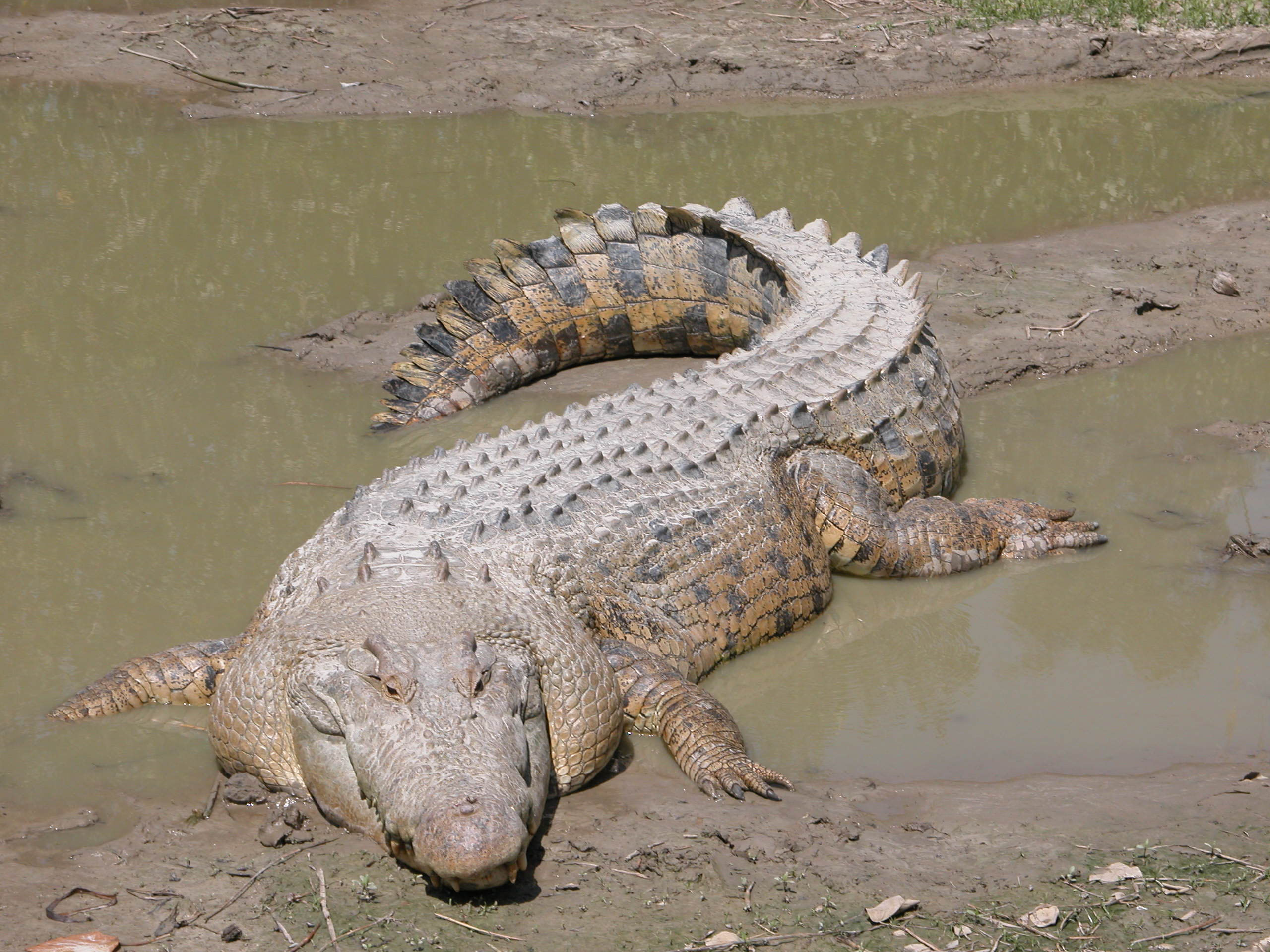
Saltwater Crocodile (Crocodylus porosus)
Introduction
The mangrove forest falls silent just before it happens. A pair of amber eyes, barely breaking the surface of a tidal river in northern Australia, tracks the movement of a wild boar picking its way along a muddy bank. Nothing else moves. The water does not ripple. For a creature that weighs more than a car and stretches the length of a small boat, the stillness is almost supernatural. Then, in a fraction of a second that most witnesses describe as a blur, the silence collapses — and the largest living reptile on Earth reminds the world that it has been perfecting this moment for over 200 million years.
The saltwater crocodile, Crocodylus porosus, is an animal that occupies a category of its own. It is simultaneously the apex predator of entire river systems, a living relic of the Mesozoic, and one of the most behaviourally sophisticated reptiles on the planet. Known informally as the "saltie" across Australia and parts of Southeast Asia, this species holds the distinction of being the world's largest reptile by mass and length, with confirmed records of individuals exceeding six metres and topping a thousand kilograms.
But reducing Crocodylus porosus to superlatives of size misses the point entirely. This is an animal shaped by geological time, engineered by natural selection to near perfection, capable of complex social behaviour, transoceanic navigation, maternal tenderness, and calculated predatory intelligence. It survives in an astonishing range of environments — from freshwater rivers to open ocean — and plays a foundational ecological role in every system it inhabits.
Understanding the saltwater crocodile means looking past the fear it understandably inspires and examining instead the biology, ecology, and evolutionary history of a creature that has outlasted dinosaurs, survived mass extinctions, and persisted through the most dramatic climate shifts in planetary history. It is not a monster. It is, by any scientific measure, one of the most remarkable animals alive.
"The crocodile is one of the few animals that genuinely makes you reconsider your place in the food chain. And that humility, I think, is healthy."
— Steve Irwin, wildlife conservationist
Scientific Classification
Kingdom: Animalia
Phylum: Chordata
Class: Reptilia
Order: Crocodilia
Family: Crocodylidae
Genus: Crocodylus
Species: Crocodylus porosus (Schneider, 1801)
Common Names: Saltwater crocodile, estuarine crocodile, Indo-Pacific crocodile, saltie
IUCN Status: Least Concern (with significant population management considerations)
The species was formally described by Johann Gottlob Schneider in 1801, though it had been known to European naturalists and indigenous peoples long before formal taxonomy arrived. The genus name Crocodylus derives from the Greek krokodilos, meaning "worm of the pebbles," a description ancient Greeks applied to Nile crocodiles observed basking on rocky riverbanks. The species epithet porosus refers to the prominent bony scutes and rough, porous texture of the skin on the animal's dorsal surface.
Within the order Crocodilia, Crocodylus porosus belongs to a lineage that diverged from other crocodilians during the Cretaceous period. Molecular phylogenetic studies consistently place it within a monophyletic clade of true crocodiles, most closely related to the Philippine crocodile (Crocodylus mindorensis) and the Siamese crocodile (Crocodylus siamensis).
Physical Characteristics
The body of a mature male saltwater crocodile is an engineering marvel — a product of millions of years of iterative refinement. Adult males typically reach lengths of four to five metres, though exceptional individuals have been reliably recorded at six metres or more. The largest confirmed specimen in the modern era, a captive male named Lolong from the Philippines, measured 6.17 metres and weighed 1,075 kilograms before his death in 2013. Historical accounts from the colonial era describe skins and skulls indicating animals that may have exceeded seven metres, though such claims remain scientifically contentious.
Adult females are substantially smaller, rarely exceeding three metres in length and typically weighing between 150 and 250 kilograms. This pronounced sexual dimorphism is among the most extreme in any living reptile, and it has profound implications for behaviour, ecology, and reproductive strategy.
The skull of Crocodylus porosus is proportionally broader and more massive than that of most other crocodilian species. The jaws generate a bite force measured in laboratory conditions at over 16,000 newtons — the highest recorded bite force of any living animal. The 64 to 68 interlocking teeth are not designed for chewing but for gripping and puncturing. Prey is killed through the mechanical force of the bite itself, by crushing vital structures, or by a characteristic violent spin — the so-called "death roll" — that disorients prey, severs limbs, and breaks the spine.
The skin is immediately distinctive. The dorsal surface is covered in osteoderms — bony, keratinised plates embedded within the skin — arranged in irregular rows. These provide structural reinforcement and play a role in thermoregulation through a highly vascularised layer beneath the scales. The colouration of juveniles is yellowish-tan with dark patches and stripes, providing effective camouflage among sun-dappled waterway margins. Adults are typically a darker grey-green to brownish-olive on the dorsal surface, paling to cream or pale yellow on the flanks and belly.
Perhaps the most remarkable sensory structures on the crocodile's body are the dermal pressure receptors (DPRs) — small, dark, dome-shaped organs embedded across the surface of the face, jaws, and to a lesser extent the body. These integumentary sensory organs detect minute pressure changes in the water, enabling the animal to sense the vibrations of nearby prey with extraordinary precision, even in total darkness or turbid water.
The eyes are positioned high on the skull, enabling the animal to observe its surroundings while nearly fully submerged. A transparent third eyelid — the nictitating membrane — protects the eye during prey capture and underwater movement. The pupils are vertical, maximising light gathering in low-light conditions. Saltwater crocodiles also possess a tapetum lucidum, a reflective layer behind the retina that amplifies available light, giving their eyes the characteristic orange-red glow visible when illuminated at night.
Fun FactThe saltwater crocodile's bite force exceeds 16,000 newtons — roughly equivalent to the weight of a pickup truck pressing on a single point. Yet the muscles that open the jaw are so weak that a single rubber band can hold the mouth shut.
Habitat & Geographic Distribution
The Indo-Pacific range of Crocodylus porosus is vast — broader than that of any other living crocodilian. The species occurs along a sweeping arc from eastern India and Sri Lanka through mainland Southeast Asia, the Indonesian archipelago, the Philippines, Papua New Guinea, the Solomon Islands, Palau, and Vanuatu, terminating in the coastal and freshwater systems of northern Australia. Historically, the range extended further west into the Persian Gulf and further north into southern China and Taiwan, though populations in those areas were extirpated through hunting during the 19th and 20th centuries.
Despite its common name, the saltwater crocodile is not restricted to saline environments. It is a highly euryhaline species — physiologically capable of osmoregulating across a wide range of salinity levels — and is equally at home in freshwater rivers, mangrove estuaries, tidal creeks, coastal lagoons, and open ocean. Individual crocodiles have been documented crossing open ocean passages of over 1,000 kilometres, using tidal currents as highways in a form of passive drift navigation that allows them to colonise remote island systems.
In Australia, which holds the world's largest and most thoroughly studied population, Crocodylus porosus occupies the Top End of the Northern Territory, the Cape York Peninsula in Queensland, and the Kimberley region of Western Australia. Core habitat centres on river systems such as the Daly, Adelaide, Alligator, and Ord rivers, and their associated floodplains, billabongs, and estuaries.
Habitat selection varies significantly with size, sex, season, and reproductive state. Dominant males hold territories within productive tidal river reaches and estuaries. Subordinate males, subadults, and females without nesting sites occupy less prime habitat — smaller creeks, floodplain wetlands, and sometimes brackish or fully freshwater systems well inland. During the dry season in Australia, when floodwaters recede, individuals may travel considerable distances overland to reach permanent water bodies.
Habitat Feature | Preferred (Prime Territory) | Tolerated (Marginal Territory) |
|---|---|---|
Water salinity | Estuarine / tidal (brackish) | Fully fresh to fully marine |
Water depth | Deep tidal pools and river channels | Shallow floodplain wetlands |
Bank structure | Firm, sun-exposed banks near deep water | Soft margins, vegetation edges |
Food availability | High — diverse prey base | Low to moderate |
Typical occupant | Large dominant males | Females, subadults, subordinate males |
Behaviour & Social Structure
Saltwater crocodiles are often characterised as solitary and aggressive, and while there is truth in that description, it dramatically understates the complexity of their social lives. Crocodylus porosus operates within a structured dominance hierarchy, communicates through an elaborate repertoire of acoustic and physical signals, and demonstrates forms of social memory and individual recognition that are rarely associated with reptiles.
Adult males are strongly territorial, and the largest individuals command the most productive stretches of river — sections with the richest prey base, the best basking sites, and proximity to potential mates. Territory ownership is advertised through a variety of signals. A resident male may perform head-slapping on the water surface, a percussive display that generates both sound and shockwaves detectable by nearby crocodiles through their DPRs. Infrasonic bellowing — sound produced at frequencies below the threshold of human hearing — travels vast distances through both air and water. These low-frequency vocalizations are among the most powerful acoustic signals produced by any reptile.
When two males meet, the encounter typically begins with a period of mutual assessment — a parallel swim, a close approach, a display of open mouths and inflated bodies. Most confrontations are resolved through submission signals without physical contact. Genuine combat, however, does occur between evenly matched rivals, and the wounds inflicted — missing limbs, deep lacerations along the flanks, damaged eyes and jaws — bear witness to the violence these animals are capable of inflicting on each other. Territorial battles can be fatal, particularly for smaller challengers.
The social tolerance between individuals varies significantly with context. At productive feeding sites, such as river confluences during seasonal fish runs, multiple crocodiles may aggregate with relatively limited aggression, exhibiting what researchers describe as a form of dominance-mediated tolerance. Larger animals feed first, smaller ones wait. The hierarchy is understood and, for the most part, respected.
Communication extends beyond sound and physical display. Chemical signals, posture, jaw gaping, head positioning, and even the precise angle of the body in water all carry social meaning. Saltwater crocodiles are also capable of individual recognition — field research in Australia has confirmed that individual animals return to the same territories year after year and respond differently to familiar versus unfamiliar individuals.
The intelligence of crocodilians has long been underestimated by researchers who assumed that a brain resembling that of a primitive reptile precluded sophisticated cognition. But cumulative evidence from field studies, captive research, and neurological analysis has established that crocodilians, including Crocodylus porosus, are capable of learning from experience, problem-solving, play behaviour, and long-term memory. Reports of saltwater crocodiles learning the feeding schedules of captive caretakers, anticipating patrol boat routes, and adapting hunting strategies in response to changing prey behaviour are well documented in the scientific literature.
Daily Life & Activity Cycle
The daily life of a saltwater crocodile is governed by the interplay of thermoregulation, predatory opportunity, and territorial maintenance — each shaped by the season, the animal's position in the social hierarchy, and the specific environment it occupies.
As ectotherms, saltwater crocodiles cannot generate internal body heat metabolically at the same rate as mammals and must rely on external heat sources to reach and maintain functional body temperatures. The preferred body temperature for active hunting and digestion sits between 30°C and 33°C. In the morning, after the cool of the night, crocodiles emerge from the water to bask on exposed banks, orientating themselves perpendicular to the sun to maximise heat absorption across the dorsal surface — a behaviour known as dorsal basking. As core temperature rises toward the upper tolerance limit, the animal may gape — holding the mouth wide open to allow evaporative cooling from the moist oral mucosa.
During the peak heat of the day in tropical environments, most activity ceases. Large crocodiles return to the water to avoid overheating, often occupying shaded riverine pools or submerging in deeper, cooler water. Activity resumes as temperatures moderate in the late afternoon and early evening. Saltwater crocodiles are primarily crepuscular and nocturnal hunters — the hours between dusk and midnight represent the peak predatory window, when prey animals come to water's edge to drink and the reduced visibility gives the crocodile a decisive advantage.
Seasonal rhythms profoundly shape the activity cycle. In northern Australia, the "wet season" (November to April) brings flooding rains that expand crocodile habitat dramatically, opening access to floodplain prey such as wallabies, pigs, and ground-nesting birds. The dry season (May to October) contracts available water, concentrating prey and crocodiles alike around permanent water bodies and creating intense competition for resources and territory.
Despite their fearsome reputation as constantly active predators, saltwater crocodiles spend the vast majority of their time doing very little. Metabolic efficiency is a cornerstone of their survival strategy. An adult crocodile can survive for more than a year without eating, drawing on vast reserves of fat stored in the tail and body cavity. When food is available, they eat; when it is not, they conserve energy with a patience that few other apex predators can match.
Diet & Survival Strategies
The diet of Crocodylus porosus is one of the broadest of any apex predator on Earth. From insects and small crustaceans consumed by juveniles to water buffalo, sharks, and cattle taken by large adults, the species operates as a generalist superpredator whose dietary range shifts across its lifespan in a process known as ontogenetic dietary shift.
Hatchlings, measuring only 25 to 30 centimetres at birth, feed primarily on insects, small crustaceans, frogs, small fish, and lizards. As body size increases through subadult stages, the prey spectrum expands to include larger fish, water birds, turtles, and small mammals. By the time a male reaches sexual maturity at around 3.2 metres and 16 years of age, essentially any vertebrate that approaches the water's edge becomes potential prey.
The primary hunting method is the ambush from water — a technique refined over hundreds of millions of years. The crocodile positions itself in the shallows near a point where prey habitually approaches to drink, bath, or cross. It may hold its position, almost motionless, for hours. When the moment arrives, the strike is explosive: the crocodile surges forward and upward with a powerful thrust of its tail, seizing prey in the jaws before it has any opportunity to react. The mechanical shock of the bite frequently kills or stuns prey instantly.
For large prey, the death roll becomes essential. Once the prey is seized, the crocodile rotates its entire body rapidly along its long axis, a movement that generates enormous torsional force. This motion tears chunks of flesh from large carcasses — since the crocodile cannot chew — and may also be used to drown struggling prey or disorient it before delivering a killing bite. Large prey items are often submerged and held under until drowned, a process that can take many minutes.
Saltwater crocodiles are also opportunistic scavengers. Carcasses floating in rivers are readily consumed, and the species has been documented pirating prey from other predators, including monitor lizards and various fish-eating birds. In areas of overlap, large males have been recorded killing and consuming bull sharks — itself a powerful apex predator — demonstrating the extent to which Crocodylus porosus dominates the predatory hierarchy of its ecosystem.
Fun FactSaltwater crocodiles can go without food for over a year by dramatically slowing their metabolism — their organs literally reduce in size during prolonged fasting periods, then regrow when feeding resumes.
The buffalo had come to the Daly River to drink at the same bend it had used for years, moving through the paperbark fringe in the grey light of early morning. Nothing distinguished this morning from any other. The water was still, reflecting the pale sky above the floodplain.
The crocodile had been watching for two hours from a position in the shallows beneath an overhanging bank — a large male, perhaps five metres long, whose territory encompassed this bend and the deep pool below it. He had learned, over many dry seasons, that buffalo came here when the smaller water sources dried up. Learning, in a crocodile, is not a word used loosely. It is an empirical process: outcomes are registered, patterns are retained, behaviour is adjusted.
The buffalo lowered its muzzle to the water. The crocodile moved — not a lunge but a surge, all five metres of him propelled by the S-curve of his tail, jaws opening to their full gape. The sound of the strike was audible from 200 metres. The buffalo never had time to raise its head.
Three hours later, the river had returned to silence. A cattle egret landed on the far bank and resumed its patient vigil. The water held no sign of what had happened. That, in the end, is the most unsettling thing about a saltwater crocodile — not the violence of the moment, but the completeness of the silence that follows it.
Interaction with Other Animals
As the apex predator of its ecosystem, Crocodylus porosus interacts with other species across virtually every trophic level — as predator, competitor, and, perhaps more surprisingly, as prey during its vulnerable early life stages.
The predatory interactions of large adults are dominated by the crocodile's position at the top of the food web. No living animal consistently preys upon adult saltwater crocodiles. Large adults have been documented killing and consuming bull sharks, large barramundi, sea turtles, dugongs, various species of macropods, feral pigs, domestic cattle, water buffalo, horses, and humans. The breadth of this predatory portfolio means that Crocodylus porosus exerts a top-down pressure on the populations of a vast range of species.
The relationship between saltwater crocodiles and sharks deserves particular attention. In tidal rivers and coastal environments, the two species occupy overlapping habitat, and interactions between them have been recorded and filmed. While mutual avoidance is common, large saltwater crocodiles have been observed killing bull sharks that enter their territories — a finding that underscores the dominance of the species even in partially marine environments. Conversely, large sharks, particularly tiger sharks and great white sharks, may pose a threat to juvenile crocodiles in open coastal waters.
Hatchlings and juveniles, however, are highly vulnerable. Mortality rates among young crocodiles are extremely high — estimated at 90 to 99% before reaching the age of two years. Predators of hatchlings include large monitor lizards, freshwater turtles, large fish such as barramundi, birds of prey, large wading birds, feral pigs, and even conspecific adult crocodiles. Cannibalism, particularly by large males, is a documented and ecologically significant source of juvenile mortality.
In terms of competitive interactions, Crocodylus porosus coexists in parts of its range with the freshwater crocodile (Crocodylus johnstoni) in Australia. The two species partition habitat — saltwater crocodiles dominate estuarine and coastal zones, while freshwater crocodiles occupy upland river sections and cleaner freshwater environments. Where ranges overlap, saltwater crocodiles are behaviourally dominant and will displace freshwater crocodiles from preferred habitat. Aggressive interactions, including predation of C. johnstoni by large C. porosus, are periodically observed.
The relationship between saltwater crocodiles and certain bird species merits specific note. Crocodile nesting mounds are frequently used as nest sites by monitor lizards and various bird species in some regions, attracted by the warmth generated by decomposing vegetation. Some wading birds have been observed following crocodiles as they move through shallow water, capitalising on the fish and invertebrates disturbed by the crocodile's movement — a loose form of commensal foraging that is not uncommon in waterbird ecology.
Interaction with Environment
The saltwater crocodile is not merely a resident of its ecosystem — it is an architect of it. Through its feeding behaviour, territorial movement, nesting activity, and even the physical disturbance it causes to waterway margins, Crocodylus porosus shapes the structure and function of the environments it inhabits in ways that reverberate through the entire ecological community.
Crocodile wallowing and movement through soft sediment can alter the topography of river banks and wetland edges, creating depressions that retain water during dry periods, maintaining microhabitats used by amphibians, invertebrates, and small fish. These "crocodile pools" are recognised as ecological features in some northern Australian floodplain systems, maintaining wetland connectivity during dry season contraction.
The consumption and carcass processing behaviour of large crocodiles also has important nutrient cycling implications. When a large mammal is killed and consumed in or near water, the organic material released into the aquatic system — both from the crocodile's own waste products and from unconsumed portions of carcasses — provides a significant nutrient pulse to aquatic food webs. This transfer of terrestrial nutrients into aquatic systems is a function shared by other semi-aquatic apex predators, such as large otters and hippopotamuses, but is particularly pronounced given the size of prey that large saltwater crocodiles are capable of taking.
The species' relationship with mangrove ecosystems is especially significant. Mangrove forests are among the most productive and ecologically important coastal biomes on the planet, providing nursery habitat for countless marine species, protecting coastlines from erosion and storm surge, and sequestering enormous quantities of carbon. Saltwater crocodiles are among the most characteristic vertebrates of mangrove systems across their range, and their role in maintaining the ecological integrity of these environments — through predation on species that might otherwise overgraze or over-browse mangrove root systems — is genuinely important.
Climate responsiveness is a critical aspect of the crocodile's environmental relationship. As ectotherms, saltwater crocodiles are directly affected by ambient temperature and rainfall patterns. Warmer temperatures accelerate growth rates and metabolic activity but also increase the frequency of thermal stress events. Rising sea levels threaten coastal and estuarine habitat. Changes in rainfall patterns alter the seasonal flooding dynamics that drive crocodile movement and prey availability. These climate sensitivities make Crocodylus porosus an important biological indicator of broader environmental change in tropical river systems.
Reproduction & Parenting
The reproductive biology of saltwater crocodiles is a study in contrasts — the same animal capable of explosive violence in predation approaches the nest with careful, almost gentle, precision. Crocodilian parental care is among the most sophisticated observed in any reptile, representing a direct evolutionary link to the parenting behaviours seen in birds, their closest living relatives.
The breeding season in Australia aligns with the onset of the wet season, typically from October through April. During this period, dominant males intensify territorial behaviour and compete aggressively for access to females. Courtship involves extended close physical contact — the male approaches the female, they swim in parallel, the male rubs his head and body against the female's neck and flanks, and both animals may produce infrasonic vocalizations and bubbling sounds. If the female is receptive, copulation occurs underwater and may last for several minutes.
Females construct nesting mounds of vegetation, soil, and debris — typically in dense riparian vegetation, above the expected flood level, but close enough to the water for the female to guard effectively. Nest construction is an energetically demanding process, and the female invests considerable time ensuring the mound achieves the correct dimensions and placement. Internal mound temperatures are regulated by the decomposition of the vegetative material, which generates consistent warmth. The female monitors and adjusts the mound in response to temperature and moisture changes throughout the incubation period.
A clutch typically contains between 40 and 60 eggs, though clutches of up to 90 have been recorded. The eggs are elongated, white, and leathery-shelled. Incubation lasts approximately 80 to 90 days, and the sex of the hatchlings is determined by nest temperature during a critical mid-incubation period — a phenomenon known as temperature-dependent sex determination (TSD). Temperatures around 31.6°C produce males; temperatures above or below this threshold produce increasingly female-biased clutches.
When hatchlings begin calling from within the nest — a chirping, high-pitched vocalisation that the mother can detect through the nesting material — the female excavates the mound and gently picks up hatchlings in her mouth. She carries them to the water's edge, a behaviour that represents one of the most striking examples of maternal investment in any reptile. The female may remain with the hatchlings for several weeks, protecting them from predators and apparently facilitating their dispersal into appropriate juvenile habitat.
Males play no direct role in parental care, but in some instances, male crocodiles present near nesting sites may deter nest predators, and some researchers have suggested that territorial males may indirectly protect nesting females by excluding competitor males from the area. This remains an active area of research.
Sexual maturity is reached relatively late. Females begin breeding at around 10 to 12 years of age, when they reach approximately 2.2 metres in length. Males typically do not achieve social dominance sufficient to breed until they reach 3.2 metres or more — a process that takes 16 years or longer. This late maturity, combined with long intervals between successful reproductive events, means that crocodile populations recover very slowly from depletion.
Evolutionary Adaptations
The saltwater crocodile is often described as "unchanged for millions of years," a popular claim that is partially misleading — modern crocodilians have in fact evolved continuously, with lineages changing in body plan, size, and ecological role across geological time. What is genuinely remarkable is that the basic archosaur body plan — the four-chambered heart, the semi-erect limb posture, the sophisticated sensory systems, the complex social and parental behaviours — has proven so extraordinarily well-suited to the semi-aquatic ambush predator niche that its fundamental architecture has remained effective through multiple mass extinctions and dramatic climate changes.
The four-chambered heart of crocodilians is unique among living reptiles and represents a shared evolutionary heritage with birds and mammals. This cardiac architecture provides efficient oxygen delivery during intense activity — critical for an ambush predator that must generate explosive acceleration — while also permitting sophisticated cardiovascular shunting that enables the animal to dive for extended periods. During submergence, crocodiles can slow their heart rate to as few as two beats per minute, dramatically reducing oxygen consumption and enabling dives lasting over an hour.
The secondary palate — a bony shelf separating the nasal passage from the oral cavity — is another critical adaptation. It allows the crocodile to breathe through its nostrils while its mouth is submerged and open underwater, enabling it to hold prey without risk of drowning. This structure, absent in most other reptiles, is shared with mammals and is an independent evolutionary solution to the same biological challenge.
The salt-excreting lingual glands on the tongue surface are a defining adaptation of the saltwater crocodile that distinguishes it from many freshwater crocodilians. These glands actively excrete sodium and other ions, enabling the animal to maintain osmotic balance in saline environments without excessive water loss. This physiological capacity is what enables Crocodylus porosus to cross open ocean, colonise coastal habitats, and exploit estuarine environments unavailable to osmoregulatorily constrained relatives.
The stomach of a saltwater crocodile is among the most acidic in the vertebrate kingdom, with a pH consistently below 2.0 — lower even than that of many vulture species. This extreme acidity enables the crocodile to dissolve and digest bone, hooves, turtle shells, and other calcified structures that would be resistant to the digestive systems of most other carnivores. Gastroliths — stones deliberately swallowed and retained in the stomach — assist in mechanical grinding of food and may also serve a hydrodynamic function, acting as ballast to facilitate precise depth control during submergence.
Perhaps the most underappreciated adaptation of Crocodylus porosus is its immune system. Crocodile blood exhibits extraordinary antimicrobial properties — studies have isolated proteins from crocodile serum that are effective against bacteria including methicillin-resistant Staphylococcus aureus (MRSA) and even HIV-associated pathogens. This capacity almost certainly evolved in response to the animal's lifestyle — wounds sustained in territorial combat, exposure to pathogen-rich water, and the consumption of large rotting carcasses create extreme immune demands. The practical application of crocodile immunology to human medicine remains an active research frontier.
Fun FactCrocodile blood contains novel peptides with antibiotic properties so powerful that researchers are studying them as potential treatments for drug-resistant bacterial infections that currently have no effective pharmaceutical response.
Ecological Importance
The ecological role of Crocodylus porosus within tropical river systems across the Indo-Pacific is profound and multidimensional. As a top predator, the species regulates the behaviour and population density of prey species across entire river catchments. This top-down trophic influence — the "landscape of fear" it imposes on prey animals — shapes where herbivores drink, where fish congregate, and how prey populations are distributed across the landscape.
Where saltwater crocodile populations were reduced by hunting during the 20th century, the ecological effects were measurable. In parts of Australia, where populations were severely depleted before legal protection in the 1970s, researchers noted changes in fish community composition, increased bank erosion in some river systems, and shifts in waterbird behaviour. The recovery of crocodile populations following protection has, in at least some documented cases, correlated with restoration of ecological function in these river systems.
The species also provides significant carrion to secondary consumers. Large carcasses partially consumed and abandoned by crocodiles — a common occurrence given that a single large prey item may exceed the crocodile's immediate digestive capacity — are rapidly colonised by fish, invertebrates, monitor lizards, raptors, and scavenging mammals. This subsidy from apex predator kills represents an important energy transfer in aquatic and riparian food webs.
Crocodile nesting mounds, constructed from organic material and maintained across consecutive breeding seasons, create elevated microhabitats above seasonal flood levels. These mounds, after abandonment, may be colonised by plants and invertebrates, creating localised ecological complexity within otherwise homogenous floodplain environments. The thermic properties of decomposing mound material also create suitable microenvironments for other species during cooler periods.
In the context of nutrient cycling, crocodiles facilitate the movement of nutrients between terrestrial and aquatic systems in both directions. Nutrients from aquatic prey are deposited on land through excretion during basking; nutrients from terrestrial prey — mammals killed at the water's edge — are transferred into aquatic systems through the crocodile's feeding and defecation in water. This bidirectional nutrient flux contributes to the productivity of both terrestrial and aquatic components of the ecosystem.
Threats & Conservation
The history of saltwater crocodile conservation is in many ways a story of redemption — but one in which the chapter of recovery is still being written, and in which the threats that caused the original collapse have not disappeared, but merely changed form.
During the mid-20th century, Crocodylus porosus was hunted to near-extinction across vast portions of its range. The species was targeted primarily for its belly skin, which lacks the hard osteoderms that make the dorsal skin commercially unusable and produces supple, high-quality leather that became one of the most sought-after materials in the global luxury goods market. In Australia alone, an estimated 270,000 crocodiles were killed between 1945 and the late 1960s. In Papua New Guinea, Indonesia, and across Southeast Asia, hunting pressure was similarly devastating. By the early 1970s, saltwater crocodile populations across much of the range had been reduced by 90% or more.
Legal protections, beginning with full protection in the Northern Territory of Australia in 1971 and extending progressively through the Australian states and into international trade regulation via CITES, produced a dramatic turnaround in Australian populations. The Northern Territory population, estimated at fewer than 3,000 individuals in 1971, had recovered to over 100,000 by the early 2000s — one of the most successful large vertebrate conservation recoveries in history.
However, the situation outside Australia remains significantly more precarious. In much of Southeast Asia, habitat destruction — particularly mangrove deforestation for aquaculture and coastal development — continues to reduce and fragment crocodile habitat. Illegal hunting, driven both by subsistence need and by demand for skins and traditional medicine, persists in many regions. Human-crocodile conflict is a serious and escalating concern, particularly in regions where human populations are expanding into historic crocodile habitat along river corridors.
Climate change poses an emerging and potentially serious threat. Changes in rainfall patterns and the timing of wet and dry seasons affect the availability and quality of nesting habitat. Rising sea levels threaten low-lying coastal and estuarine environments. Importantly, temperature changes during incubation directly affect sex ratios — sustained increases in nest temperatures could skew populations toward female-dominance, affecting breeding dynamics and long-term population viability.
IUCN Red List Analysis
Current IUCN Status
The saltwater crocodile (Crocodylus porosus) is currently classified as Least Concern on the IUCN Red List of Threatened Species, as assessed by the Crocodile Specialist Group of the IUCN Species Survival Commission. This classification reflects the species' overall global population size, the documented recovery of major populations — particularly in Australia — following strict legal protection, and the absence of any range-wide population decline sufficient to trigger a higher threat category.
The Least Concern designation, however, must be understood in context. The classification is a global aggregate that masks significant regional variation. Populations in parts of Southeast Asia, particularly in the Philippines, Thailand, Vietnam, and Cambodia, remain severely depleted — in some cases to the point of functional extinction in formerly occupied range areas. The global status is maintained substantially by the health of the Australian population, which represents the largest, most thoroughly monitored, and best-protected portion of the species' range.
Population Trend
At the global level, the population trend for Crocodylus porosus is assessed as stable to increasing, driven primarily by continued recovery in Australia and — to a lesser extent — in Papua New Guinea and parts of Indonesia where community-based conservation programs have reduced hunting pressure. The Northern Territory of Australia alone supports an estimated 100,000 or more individuals, a figure that represents one of the most significant recoveries of a large reptile in recorded conservation history.
Outside Australia, population trends are more mixed. In parts of the Indo-Pacific range where legal protection is weak or inconsistently enforced, populations remain at a fraction of their historical levels. The species has been locally extirpated from several island systems where it occurred historically, including parts of the Philippines and some Pacific island groups, and there is little evidence of natural recolonisation or recovery in these areas. Regional assessments by the Crocodile Specialist Group consistently identify Southeast Asian populations as requiring urgent management attention.
Historical population estimates suggest that prior to the commercial hunting era, total global populations may have exceeded one million individuals. Current global estimates are uncertain but are generally placed in the range of 200,000 to 300,000 mature individuals, suggesting that while recovery is real and significant, the species has not yet returned to its pre-exploitation baseline across most of its range.
Main Threats
Habitat destruction is the dominant contemporary threat. Mangrove deforestation across Southeast Asia and coastal development throughout the Indo-Pacific continue to eliminate and fragment the estuarine habitats on which the species depends. In Indonesia, Malaysia, and Thailand, large-scale conversion of mangrove forest to shrimp and fish aquaculture has destroyed hundreds of thousands of hectares of prime crocodile habitat. Inland, agricultural expansion, damming of rivers, and wetland drainage further compress available habitat.
Illegal hunting and poaching persist in regions outside Australia, driven by skin trade, bushmeat demand, and the traditional medicine market. Despite international protection under CITES Appendix I (for wild-caught animals from most range states), enforcement capacity is uneven. In some communities, crocodiles are killed in response to attacks on domestic animals or humans, or simply out of cultural antipathy toward a dangerous species.
Human-wildlife conflict is an accelerating threat as human populations expand into crocodile habitat. Fatal attacks on humans reduce community tolerance for crocodile conservation and can trigger localised removal campaigns. In some regions, even where legal protections exist, human-crocodile incidents result in retaliatory killings that governments find politically difficult to prevent.
Climate change affects the species through multiple pathways: altered rainfall seasonality disrupts nesting habitat availability; increased temperatures during incubation skew sex ratios; sea level rise threatens low-lying nesting areas; and changes in fish community composition — driven by altered hydrology and ocean chemistry — reduce prey availability in some systems.
Pollution and water quality degradation affect prey communities and may have direct physiological effects on crocodiles. Agricultural runoff, pesticide contamination, and industrial pollution in river systems throughout the range have been associated with reduced fish diversity and abundance, affecting the prey base of both juvenile and adult crocodiles.
Ecological Consequences
The loss of saltwater crocodiles from river systems produces a cascade of ecological effects that extend far beyond the immediate absence of a large predator. Prey populations — particularly populations of fish, water birds, and medium-to-large mammals — may increase numerically in the short term but suffer from the loss of the regulatory pressure that maintains their ecological function. Overgrazing of riparian vegetation by ungulates no longer deterred from approaching water's edge, altered fish community structure, and reduced diversity in waterbird communities have all been documented in systems where crocodile populations were reduced.
The removal of crocodiles from estuarine and mangrove systems is especially consequential. These systems are already among the most threatened on Earth, and the loss of a major ecological regulator compounds stressors from deforestation, pollution, and climate change. Nutrient cycling through crocodile feeding behaviour is disrupted, carcass subsidies to scavengers are reduced, and the physical habitat modifications associated with crocodile activity — basking clearances, nesting mound structures, wallowing depressions — gradually disappear from the landscape.
In the context of trophic cascade theory, the saltwater crocodile functions as a keystone predator in river and estuarine systems across its range. Its removal does not simply reduce the total biomass of predators — it restructures the entire ecological community in ways that reduce biodiversity and ecosystem resilience.
Conservation Efforts
Australia's management of Crocodylus porosus is widely regarded as one of the world's most successful large predator conservation and management programs. The species received full legal protection in the Northern Territory in 1971, followed by Queensland (1974) and Western Australia (1970). Populations responded rapidly and dramatically to the cessation of hunting. Today, the Northern Territory operates a comprehensive management program that includes population monitoring (helicopter and spotlight count surveys across major river systems), a sustainable harvest scheme (egg collection from wild nests for ranching), and community education to reduce human-wildlife conflict.
The ranching scheme, in which eggs collected under licence from wild nests are incubated, raised to commercial size, and processed for skin and meat, has been carefully designed to provide economic value to the wild population — since the eggs must come from wild nests, landholders and local communities have a direct financial incentive to maintain wild crocodile populations and their habitat. This "sustainable use" model has proven controversial in some conservation circles, but its practical impact on wild population conservation in Australia has been broadly positive.
Internationally, conservation efforts are more varied. The Crocodile Specialist Group of the IUCN coordinates research and management activities across the range, publishing regional population assessments and developing management guidelines. In Papua New Guinea, community-based conservation and sustainable harvesting programs have maintained populations in areas where full protection alone would be difficult to enforce. In parts of the Philippines and Indonesia, habitat protection and public education campaigns attempt to build local tolerance for the species.
CITES Appendix II status for Australian and Papua New Guinean populations allows sustainable, regulated trade in farmed and ranched products, providing economic leverage for conservation. Wild populations in most other range states are listed under Appendix I, prohibiting commercial international trade.
Future Outlook
The long-term survival of Crocodylus porosus as a globally significant species depends critically on the continued health of Australian populations and on meaningful progress in protecting and restoring populations across Southeast Asia and the Pacific. On current trajectories, the Australian population appears secure, though continued expansion of urban development in northern Australia and increasing frequency of human-crocodile conflict events may create new management challenges.
In Southeast Asia, the outlook is more uncertain. Without significant investment in habitat protection — particularly mangrove conservation and river corridor protection — and without effective control of illegal hunting and trade, further regional population decline is likely. The functional extinction of the species from additional parts of its historical range within the next several decades is a realistic prospect in the absence of effective action.
Climate change represents the most unpredictable long-term variable. The direct effects on nest temperature and sex ratio determination, combined with indirect effects on habitat quality and prey availability, could undermine conservation gains achieved through legal protection. Adaptive management approaches that account for climate projections in conservation planning will be essential.
Human Relationship
The relationship between Homo sapiens and Crocodylus porosus is ancient, complex, and deeply ambivalent — spanning reverence and fear, exploitation and protection, ecological coexistence and violent conflict. No other living reptile occupies such a prominent place in human cultural consciousness across such a wide geographical range.
For indigenous peoples throughout northern Australia, Papua New Guinea, and island Southeast Asia, the saltwater crocodile has held spiritual and totemic significance for thousands of years. In many Aboriginal Australian traditions, the crocodile is a creator being and a powerful spiritual ancestor. Clan totems associated with the crocodile carry obligations of respect and specific protocols governing how humans and crocodiles should interact. In parts of Papua New Guinea, scarification ceremonies ritually recreate the texture of crocodile skin on the bodies of initiates, symbolically incorporating the crocodile's power and spiritual authority.
The economic relationship between humans and saltwater crocodiles has undergone a dramatic reversal across the past century. In the mid-20th century, the species was primarily perceived as a commercial resource to be extracted — with devastating population consequences. Today, in Australia particularly, live crocodiles represent a significant ecotourism asset. Crocodile watching on northern Australian rivers attracts hundreds of thousands of visitors annually, and wildlife tourism operations focused on the species contribute substantially to regional economies. Crocodile farming, producing both skin and meat for export, generates revenue that is explicitly tied to wild population conservation through the ranching egg collection scheme.
Human-crocodile conflict is the most serious and sensitive aspect of the contemporary relationship. Saltwater crocodiles kill and injure a significant number of people each year across their range. In Australia, between five and 15 attacks are recorded annually, of which one to three are typically fatal. In Papua New Guinea and Indonesia, attacks are more frequent and often go unreported. In some communities in Southeast Asia, the frequency of attacks has increased as human populations expand into formerly remote areas and crocodile populations partially recover from historical depletion.
The management of human-crocodile conflict is one of the most challenging aspects of saltwater crocodile conservation. Approaches range from public education campaigns and warning signage to active removal of individual crocodiles identified as habitual residents of high-risk areas. In Australia, the "Crocwise" public awareness program and the management policies of the Northern Territory government attempt to balance conservation obligations with community safety — a tension that is inherently difficult to resolve when the species in question is a large, dangerous, and highly mobile apex predator.
Unique & Rare Facts
Ocean crossings: Saltwater crocodiles have been documented using tidal currents to travel hundreds of kilometres across open ocean, a behaviour confirmed by satellite tracking studies. One tagged individual in Australia travelled over 590 kilometres in 25 days across open sea using surface currents — explaining the species' presence on remote Pacific islands.
Geological survivors: The crocodilian lineage has survived all five major mass extinction events in Earth's history, including the Cretaceous-Palaeogene extinction event 66 million years ago that eliminated all non-avian dinosaurs. The fundamental crocodilian body plan has remained ecologically viable across more than 250 million years of planetary change.
Tool use: Researchers have documented saltwater and mugger crocodiles balancing sticks on their snouts near heron nesting colonies during the breeding season, when herons collect sticks for nest construction. The crocodiles wait patiently while herons approach to collect the "bait," then strike. This represents one of the very few documented examples of tool-using behaviour in reptiles.
Infrasound communication: Saltwater crocodiles produce infrasonic vocalizations below 20 Hz that travel vast distances through water, making the water surface "dance" in a visible shimmering pattern known as the "water dance" or "headslap dance." This behaviour is used in courtship and territorial advertisement.
Exceptional longevity: Wild saltwater crocodiles are estimated to live 70 years or more, with some captive individuals exceeding 100 years. Their slow metabolism and low rate of cellular oxidative damage are thought to contribute to their exceptional potential lifespan.
Play behaviour: Observations of saltwater crocodiles engaging in what appears to be play — carrying floating objects, riding water currents repeatedly for apparent enjoyment, and engaging in social play with conspecifics — challenge longstanding assumptions about reptilian cognitive and emotional complexity.
Gastric acid extremity: The stomach pH of a saltwater crocodile can reach as low as 1.0 during active digestion — more acidic than car battery acid — enabling complete dissolution of bone, antler, turtle shell, and the hooves and horns of large mammals.
Temperature-sex determination precision: The temperature window that produces male hatchlings in saltwater crocodiles is extremely narrow — just 31.6°C ± 0.5°C. Temperatures even one degree above or below this threshold shift the sex ratio dramatically toward females, making nesting success highly sensitive to microhabitat temperature variation.
Blood antibiotic properties: Crocodile blood plasma contains novel cationic peptides with broad-spectrum antimicrobial activity effective against organisms including MRSA, certain fungi, and HIV-associated pathogens. These compounds are structurally unlike existing antibiotics, making them of significant interest to pharmaceutical research.
Conclusion
There is something genuinely humbling about standing at the edge of a northern Australian river at dusk, watching a pair of amber eyes hold position in the current without apparent effort, neither advancing nor retreating, simply present — patient in the way that only something that has survived for over 200 million years can afford to be patient. The saltwater crocodile does not need to impress. It does not need to be fast over distance, or particularly warm, or even particularly active. It needs only to be exactly what it is, exactly where it is, at exactly the right moment.
Crocodylus porosus is, by virtually every scientific measure, one of the most successful vertebrate predators in the history of life on Earth. It has outlasted animals far larger, far faster, and far more energetically expensive than itself. It has survived climates warmer and colder than the present, sea levels higher and lower, continents in configurations unrecognisable to modern geography. It has persisted not through strength alone, nor speed alone, but through an integration of biological systems — physiological, sensory, behavioural, reproductive, and immunological — so thoroughly calibrated to its ecological role that dramatic evolutionary change has simply never been necessary.
The near-extinction of this species during the commercial hunting era of the 20th century stands as a sobering reminder of how quickly human economic activity can dismantle what hundreds of millions of years of evolution have built. The recovery of Australian populations is genuinely encouraging — a proof of concept that apex predator conservation, when properly resourced and rigorously enforced, can produce measurable ecological restoration. But the situation across much of Southeast Asia and the Pacific is a reminder that conservation success in one part of a species' range cannot substitute for the failure to protect it across the rest.
The saltwater crocodile asks nothing of the world except to be left to inhabit the tidal margins and mangrove channels and river bends that it has occupied since long before our species existed. Whether we extend that tolerance — and maintain the ecological integrity of the systems that this ancient predator underpins — is a choice that says as much about human maturity as a civilisation as it does about our commitment to conservation.
"We need the tonic of wildness — to wade sometimes in marshes where the bittern and the meadow-hen lurk, and hear the booming of the snipe; to smell the whispering sedge where only some wilder and more solitary fowl builds her nest."
— Henry David Thoreau, Walden
Sources & Attribution
Data and ongoing research referenced for this article come from the following authoritative sources — peer-reviewed publishers, official taxonomic registers, and global biodiversity programmes:
- IUCN Red List — Saltwater Crocodile — official IUCN Red List assessment including population trend, threats, and conservation actions.
- Wikipedia — Saltwater Crocodile — taxonomy, distribution, and an overview with onward citations to primary literature.
- GBIF — Saltwater Crocodile — global occurrence and distribution records from the Global Biodiversity Information Facility.
- iNaturalist — Saltwater Crocodile — observation records and field photographs contributed by naturalists worldwide.
- Encyclopedia of Life — Saltwater Crocodile — multilingual species pages aggregating taxonomic and natural-history data.
- WWF — World Wildlife Fund — global wildlife conservation programmes and research summaries.
- Nature — research on Saltwater Crocodile — peer-reviewed studies indexed by Nature on related ecology and behaviour.
- ITIS — Integrated Taxonomic Information System — federal-grade taxonomy and nomenclature.
Frequently Asked Questions
How large do saltwater crocodiles get?
Adult male saltwater crocodiles typically reach four to five metres in length, with the largest confirmed modern specimen measuring 6.17 metres and weighing 1,075 kilograms. Adult females are considerably smaller, rarely exceeding three metres. Historical accounts and fossil evidence suggest that earlier populations may have included individuals approaching or exceeding seven metres, though this remains scientifically debated.
The size of an individual saltwater crocodile depends on age, sex, genetic factors, and the quality and abundance of prey in its habitat. Growth is continuous throughout life but slows significantly after sexual maturity. A five-metre male may be 40 years of age or older.
Are saltwater crocodiles dangerous to humans?
Yes — saltwater crocodiles are legitimately dangerous to humans and are responsible for more fatal attacks on people than any other crocodilian species. In Australia, between five and 15 attacks are recorded annually, with an average of one to three fatalities per year. In Papua New Guinea and Indonesia, attacks are more frequent and often go unreported. The species is apex predator in its ecosystem, and large adults are physiologically capable of killing and consuming adult humans.
The vast majority of attacks involve humans entering or working near water in areas where the species is known to occur. Risks are significantly reduced by heeding warning signage, avoiding swimming or wading in crocodile habitat, not approaching water's edge at dusk or dawn, and following the guidance of local wildlife authorities. The species is not inherently aggressive toward humans outside a predatory or territorial context.
What do saltwater crocodiles eat?
Saltwater crocodiles are generalist apex predators with one of the broadest diets of any large carnivore. Juveniles eat insects, frogs, small fish, crustaceans, and lizards. As they grow, the prey spectrum expands to include larger fish, water birds, turtles, and small to medium-sized mammals. Large adults are capable of taking water buffalo, cattle, horses, sharks, sea turtles, and large macropods.
They are also opportunistic scavengers, readily consuming carcasses encountered in or near water. The powerful gastric acid of saltwater crocodiles — among the most acidic in the animal kingdom — allows complete digestion of bone, shell, and heavily keratinised tissue that other predators cannot process.
Where do saltwater crocodiles live?
Saltwater crocodiles occupy a broad range from eastern India and Sri Lanka across Southeast Asia, the Indonesian archipelago, the Philippines, Papua New Guinea, the Solomon Islands, and northern Australia. Their range extends into the Pacific through ocean-crossing dispersal events enabled by tidal current navigation.
Despite the common name, the species tolerates a wide range of salinity — from fully freshwater river systems to coastal mangrove forests, estuaries, and open ocean. Habitat selection varies with size and social status: dominant males hold estuarine and tidal river territories, while females and subordinate individuals occupy smaller waterways and floodplain wetlands.
How long do saltwater crocodiles live?
Wild saltwater crocodiles are estimated to live 70 years or more under natural conditions. Some captive individuals have been reported to survive past 100 years, though precise age determination in wild animals is difficult. Growth ring analysis in osteoderms and long-term mark-recapture studies provide the best available evidence for longevity estimates.
The exceptional potential lifespan of saltwater crocodiles is thought to be associated with their low metabolic rate, relatively slow rate of cellular oxidative damage compared to endotherms, and capacity for prolonged fasting without physiological deterioration. These characteristics are the subject of ongoing biological aging research.
How do saltwater crocodiles reproduce?
Saltwater crocodiles breed seasonally, with courtship and mating typically occurring at the onset of the wet season (October to November in Australia). Females construct large mound nests of vegetation and soil, depositing clutches of 40 to 60 eggs. Incubation lasts approximately 80 to 90 days, during which the female guards the nest closely.
Sex determination is temperature-dependent — a narrow temperature window of around 31.6°C produces males, while temperatures above or below this threshold produce female-biased clutches. Females exhibit sophisticated maternal care, carrying hatchlings to water in their mouths and remaining with them for several weeks after hatching. Sexual maturity is reached at 10 to 12 years in females
Image: Wikipedia/Wikimedia Commons — “Saltwater crocodile”
Comments
Post a Comment