
 ```html
Silver Birch (Betula pendula)
Introduction
Sometime in the grey, frost-bitten weeks of late February, before almost any other deciduous tree has stirred from its winter dormancy, the silver birch begins to move. No leaf betrays it. No bud breaks the outline of its fine, whip-thin branches. Yet beneath that unmistakable chalk-white bark, pressure is already building — sap rising through a vascular network refined over millions of years of cold-climate evolution, carrying dissolved sugars and minerals upward through the trunk in a slow, purposeful surge. To stand in a birch woodland at that moment, among the pale trunks rising from frost-silvered ground, is to witness one of the most quietly dramatic events in the temperate world.
The silver birch, Betula pendula, is one of Europe's most recognisable and ecologically significant trees. Its brilliant white bark, delicate weeping silhouette, and triangular, flutter-edged leaves have made it a cultural and botanical icon across the entire breadth of the temperate Northern Hemisphere. But its true importance lies far beyond aesthetics. Silver birch is a pioneer species of extraordinary power — a landscape-engineering tree that colonises bare, hostile, nutrient-poor ground and transforms it into functioning woodland, building soil, hosting hundreds of invertebrate species, supporting entire fungal communities underground, and creating the structural conditions that allow more complex forest ecosystems to eventually replace it.
From the heathlands of lowland England to the boreal fringes of western Siberia, from the scree slopes of Scandinavian mountains to the urban parks of Central Europe, Betula pendula threads its way through nearly every temperate ecosystem on the continent. It is the most widely distributed native tree in Britain and one of the first trees to have recolonised the British Isles following the retreat of the last glacial ice sheets, roughly 10,000 years ago. In that sense, silver birch did not simply arrive in Britain — it built the foundation of what would become the wildwood, the great primal forest from which all subsequent British woodland ecology descended.
This article traces the full biological, ecological, and cultural dimensions of Betula pendula — from the molecular chemistry of its bark to the mycorrhizal networks it threads through the soil, from its role as a nurse tree to its place in Norse mythology and Scandinavian folk medicine. The silver birch rewards close attention. The more carefully one looks, the richer and more intricate the picture becomes.
"A birch wood in early April is one of the most singular and beautiful things in nature — the trees stand as if each were lit from within, a pale radiance that belongs to no other species."
— Roger Deakin, Wildwood: A Journey Through Trees
Scientific Classification
The silver birch occupies a well-defined position within the botanical hierarchy, sitting within the family Betulaceae — the birches and their close relatives, which include alders (Alnus), hazels (Corylus), and hornbeams (Carpinus). The species was formally described by the German botanist Albrecht Wilhelm Roth in 1788, and the name pendula — Latin for "hanging" or "drooping" — refers directly to the characteristic pendulous growth habit of the branch tips.
- Kingdom: Plantae
- Division: Tracheophyta (Vascular Plants)
- Class: Magnoliopsida (Dicotyledons)
- Order: Fagales
- Family: Betulaceae
- Genus: Betula
- Species: Betula pendula Roth
Within the genus Betula, which contains approximately 60 species worldwide, B. pendula is the most widely cultivated and ecologically documented member of the European birch complex. It hybridises naturally with the downy birch (Betula pubescens) where their ranges overlap, and the two species are sometimes confused in the field, though they differ in a number of reliable diagnostic characteristics. Several ornamental cultivars have been developed from B. pendula, including the weeping form B. pendula 'Youngii' and the purple-leaved B. pendula 'Purpurea', both widely planted in parks and gardens across the temperate world.
Physical Characteristics
Bark and Trunk
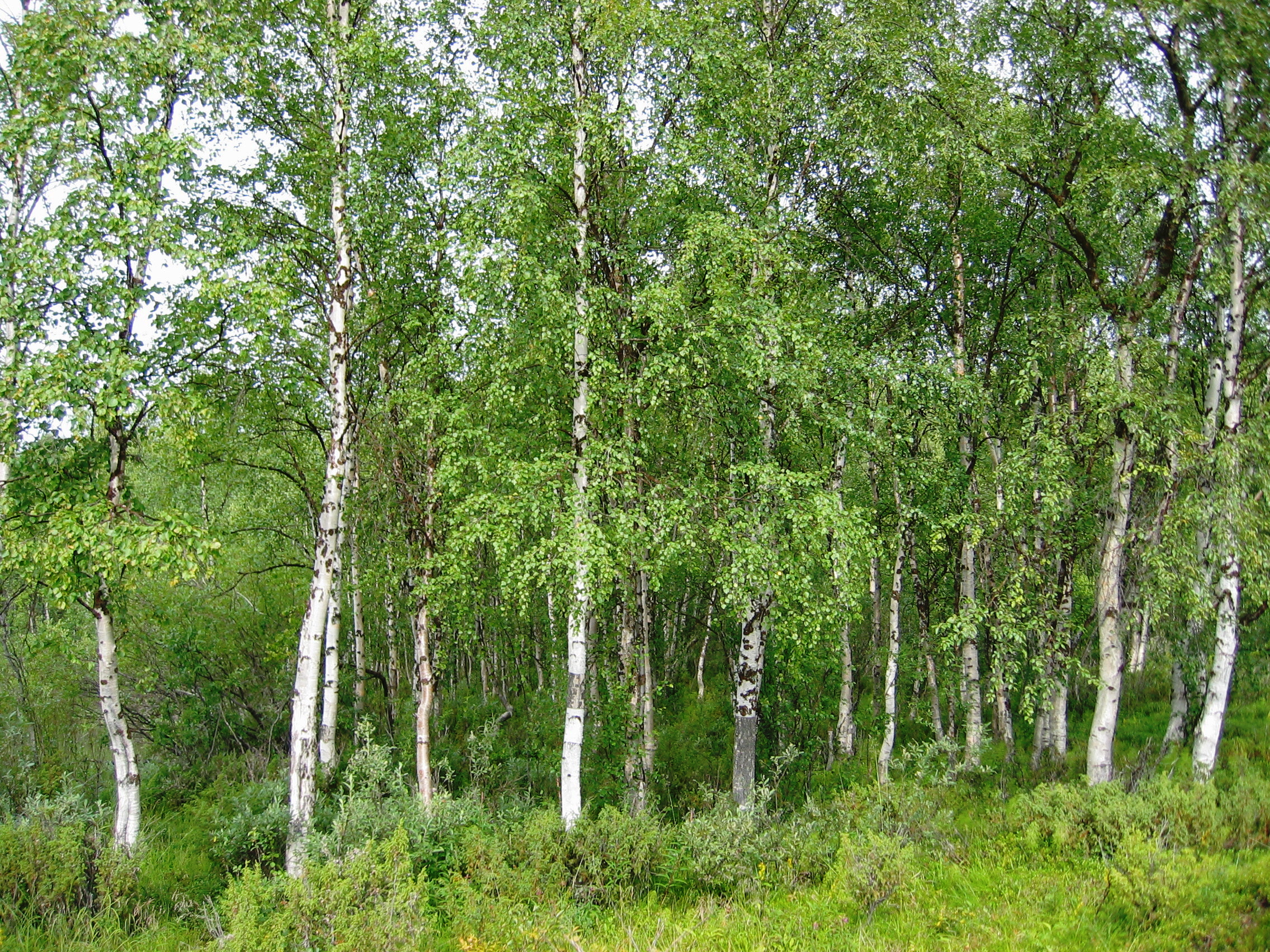
The silver birch's most immediately striking feature is its bark — brilliant white to silver-grey on mature trunks, with distinctive black diamond-shaped fissures and horizontal dark lenticels that pattern the surface like an abstract calligraphy. This whiteness is not accidental. It is produced by a compound called betulin, a pentacyclic triterpenoid that constitutes up to 22–30% of the dry weight of the outer bark layer, making silver birch bark one of the most chemically rich plant surfaces in temperate woodland. Young trees and lower branches tend toward a reddish-brown or copper tone before the white pigmentation fully develops as the tree matures.
The trunk is typically straight or gently curving, reaching diameters of 30–60 centimetres in mature specimens, occasionally larger. The bark peels naturally in horizontal papery strips, particularly from lateral branches — a process that serves a biological function, removing encrusting lichens, mosses, and potentially harmful parasites that might otherwise compromise the tree's vascular systems.
Leaves, Branches, and Crown
The leaves of Betula pendula are distinctively triangular to rhomboid in shape, 3–7 centimetres long, with a long-pointed apex and a doubly serrated margin that gives each leaf a finely toothed, slightly lacey appearance. They are borne on slender, slightly resinous petioles and are arranged alternately along the branchlets. In spring and early summer, the leaves are a vivid, slightly resinous yellow-green; by September and October, they turn a clean golden yellow before falling. The autumn display of a mature birch woodland — pale trunks against a canopy of burnished gold — is among the most recognised seasonal landscapes of temperate Europe.
The crown architecture of silver birch is elegant and characteristic: a broadly conical outline when young, developing into a more open, irregular dome with age. The most identifying structural feature is the pendulous habit of the secondary and tertiary branches — long, slender, whip-like growths that hang downward from the main lateral branches, giving the tree its Latin epithet and its characteristic drooping silhouette. This weeping habit is not merely ornamental; it plays a direct role in shedding snow loads in winter, preventing branch breakage under accumulated weight.
Root System
The root system of Betula pendula is wide-spreading rather than deeply anchored, forming a lateral network that extends well beyond the canopy drip line in mature trees. Fine root density is extremely high, and the root system as a whole forms intimate associations with ectomycorrhizal fungi — a relationship that is fundamental to the tree's ability to extract nutrients from nutrient-poor soils. Unlike many deep-rooting forest trees, silver birch does not anchor itself primarily through a taproot but instead spreads its root mass through the upper 50–80 centimetres of soil, forming a web of structural and fine roots that stabilise soil and intercept water effectively.
Flowers, Seeds, and Reproductive Structures
Silver birch is monoecious — both male and female flowers occur on the same individual tree, borne in catkins. Male catkins are long (3–6 centimetres), pendulous, and yellowish-green; they form in the autumn and overwinter in a dormant state, expanding and releasing pollen in early spring before the leaves emerge. Female catkins are shorter, erect, and green, positioned on the same shoots. After wind pollination, the female catkin develops into a cylindrical fruiting structure containing hundreds of tiny winged nutlets — samaras — each weighing less than a milligram. A single mature silver birch can produce over one million seeds in a productive season.
Habitat & Distribution
The natural range of Betula pendula extends from the Atlantic coast of western Europe — where it is native to the British Isles, Ireland excepted in terms of full natural distribution, France, Iberia, and Scandinavia — eastward across continental Europe and into western Siberia, with populations reaching as far as the Altai Mountains of Central Asia and southward to the mountains of Turkey, the Caucasus, and northern Iran. This vast range makes the silver birch one of the most widely distributed tree species in the temperate world, matched in breadth only by a handful of other pioneer species.
Within this range, silver birch occupies an extraordinarily diverse array of habitats. It is most commonly associated with heathlands, moorland fringes, open woodland edges, and disturbed or cleared ground, where its pioneer characteristics give it a competitive advantage over slower-establishing species. However, it also appears on rocky hillsides and mountain slopes, reaching altitudes of up to 2,000 metres in the Alps and Carpathians. In Scandinavia and Scotland, birch woodland forms a significant component of the sub-alpine zone, where it represents the uppermost extent of true tree cover.
Soil preference in silver birch tends strongly toward the light and well-drained — sandy soils, gravelly substrates, peat margins, and thin mineral soils derived from acidic parent rocks are all colonised readily. Heavy, waterlogged clays are generally avoided, though the related downy birch (Betula pubescens) tolerates wetter conditions and often dominates in such habitats where the two species' ranges overlap. Silver birch is a light-demanding species that cannot tolerate deep shade; this characteristic ultimately determines its ecological role as a transitional pioneer rather than a permanent canopy dominant in most lowland forest systems.
Fun FactSilver birch was among the first trees to colonise the British Isles after the last Ice Age, spreading northward from southern European refugia as early as 10,000 years ago — making it one of the founding architects of the original British wildwood.
Growth Systems & Physiology
Sap Dynamics and Vascular Architecture
The physiology of Betula pendula is built around speed and opportunism. Among the first trees in temperate Europe to initiate sap flow in late winter — often weeks before leaf-out — the silver birch operates a vascular transport system that prioritises early-season access to resources over the structural conservatism of slower-growing species. The rise of birch sap begins when daytime temperatures climb consistently above freezing while nights remain cold, creating a pressure differential within the xylem vessels that drives sap upward through the trunk. This sap is rich in dissolved sugars, minerals — particularly potassium and calcium — amino acids, and secondary metabolites, making it a nutritional resource of significant interest both ecologically and to human cultures across the tree's range.
The xylem vessels of silver birch are wide-bore structures, optimised for rapid volume transport of water and dissolved nutrients in the brief window between the onset of warmth and full leaf canopy development. This anatomical strategy reflects a broader physiological commitment to capturing the early growing season — a period when competition from other trees is lowest and light penetration through the leafless canopy is at its maximum. Once the leaf canopy is fully deployed, typically by late April or early May across much of its range, the silver birch shifts its primary physiological investment toward photosynthesis and above-ground growth.
Photosynthesis and Carbon Allocation
Silver birch photosynthesises via the C3 pathway — the standard biochemical route for temperate trees — utilising the Calvin cycle to fix atmospheric carbon dioxide through the enzyme RuBisCO. This places it in the same broad physiological category as oak, ash, and most other temperate deciduous trees, though its specific adaptations to low-nutrient, high-light environments give it a distinct efficiency profile. Studies have measured birch photosynthetic rates as comparatively high in full sunlight but declining rapidly under shaded conditions — consistent with its ecological status as an obligate light-demanding species and its frequent exclusion from closed-canopy woodland by shade-tolerant competitors once the forest matures.
Carbon allocation in silver birch is notable for the high proportion of fixed carbon directed toward fine root production and maintenance. Research conducted across European birch populations has demonstrated that silver birch invests a larger fraction of its net primary productivity into below-ground structures than many comparable broadleaf species — a strategy that makes sense in the context of its preferred substrates, where nutrient access depends on an extensive root surface area and the efficiency of mycorrhizal associations. This below-ground carbon investment also means that silver birch contributes meaningfully to soil carbon stocks, even though its above-ground timber volume at any given age may be modest compared to longer-lived forest dominants.
Growth Rate, Wood Formation, and Longevity
Silver birch is among the fastest-growing native trees in the British Isles and northern Europe, capable of adding 40–60 centimetres of height per year during its juvenile phase under favourable conditions. This growth rate slows substantially after the first two to three decades, and the tree's overall lifespan is considerably shorter than that of most other British native trees — typically 60 to 90 years in the wild, occasionally reaching 120 to 150 years in sheltered conditions on productive soils. This brevity of lifespan is itself a physiological strategy: silver birch channels energy into rapid early growth and prolific seed production rather than the slow wood accumulation and extreme longevity characteristic of oak or yew.
The wood of Betula pendula is fine-grained, pale cream to white in colour, and remarkably even in texture. Annual growth rings are clearly defined, allowing dendrochronological analysis of individual trees. Wood density is moderate, giving birch good mechanical properties relative to its weight — a quality exploited commercially for furniture, plywood, and turning. The wood's even grain and fine texture also make it ideal for carving, and birch plywood — noted for its dimensional stability — is a standard material in aircraft construction, cabinetry, and high-end interior fitting.
Nutrient Physiology and Mycorrhizal Dependency
On the nutrient-poor soils silver birch habitually colonises, the tree's ability to extract phosphorus, nitrogen, and other minerals from the substrate depends heavily on its intimate partnership with ectomycorrhizal fungi. The fungal hyphae extending from the root surface into the surrounding soil enormously amplify the effective absorptive surface area — by orders of magnitude compared to the root surface alone — allowing the tree to access mineral nutrients far beyond the reach of its root tips. In return, the fungi receive carbohydrates produced by the tree's photosynthesis, in an exchange that represents one of the foundational mutualisms of temperate forest ecology.
Nitrogen acquisition is particularly important for understanding silver birch physiology. Unlike alder (Alnus glutinosa), silver birch does not form associations with nitrogen-fixing bacteria. Instead, it relies on mycorrhizal fungi to mobilise organic nitrogen from soil organic matter — a process that becomes increasingly significant in later successional stages as soil organic matter builds up beneath the birch canopy. This creates a progressive soil-enriching feedback loop: birch colonises bare, nitrogen-poor mineral soils; its leaf litter gradually builds organic matter; mycorrhizal fungi associated with the birch mobilise nutrients from this accumulating organic layer; and progressively more nutrient-demanding tree species gain the foothold needed to eventually overtop and replace the birch in the succession sequence.
Seasonal Physiology and Cold Adaptation
The seasonal physiology of silver birch is tightly synchronised with photoperiod and temperature. Leaf-out is triggered primarily by temperature accumulation rather than day length alone — allowing silver birch to respond rapidly to early warm spells — while the onset of autumn senescence is more strongly governed by shortening days, ensuring leaves are shed before the first hard frosts damage the photosynthetic machinery. During autumnal senescence, chlorophyll breaks down progressively, unmasking the yellow carotenoids that produce the tree's characteristic golden autumn colour, while the tree simultaneously withdraws amino acids and other valuable compounds from the leaf tissue before abscission. This resource reclamation is highly efficient in silver birch and contributes to the relative nutrient richness of birch leaf litter compared to some other acidophilous tree species.
Evolutionary Adaptation
The Pioneer Strategy
The entire evolutionary architecture of Betula pendula can be read as an optimisation for pioneer colonisation. Where a long-lived, shade-tolerant species like beech invests in slow growth, deep shade tolerance, and structural permanence, the silver birch evolved in the opposite direction: maximum early growth speed, intense light-demanding physiology, prolific seed production, and wind-dispersed seeds capable of reaching bare ground far from any parent tree. This strategy is not an evolutionary compromise — it is a coherent, highly successful life-history approach that has allowed birch to dominate post-disturbance landscapes across the Northern Hemisphere for millions of years.
The fossil record of the genus Betula extends back approximately 50 million years, with birches appearing in the Eocene palaeoflora of North America, Europe, and Asia. The genus diversified substantially during the Miocene cooling that began the slow transformation of the Northern Hemisphere toward the cooler, more seasonally dynamic climates of the Plio-Pleistocene. As ice ages repeatedly stripped landscapes bare and then released them to rapid recolonisation, birch species were repeatedly among the first woody plants to return — a pattern documented clearly in pollen records from lake sediments across Europe, where birch pollen typically dominates the earliest post-glacial zones before giving way progressively to hazel, oak, and other late-successional species.
Bark Chemistry as Evolutionary Armour
The white, betulin-rich bark of silver birch represents a remarkable evolutionary biochemical solution. Betulin and its oxidised derivative betulinic acid are potent antimicrobial and antifungal compounds that protect the inner vascular tissues from pathogenic invasion. The high reflectivity of the white bark also mitigates a specific thermal stress experienced by trees in continental climates: the risk of bark splitting caused by rapid temperature fluctuations on sunny winter days, when direct solar radiation can heat the bark surface by 20–30°C above ambient air temperature in just a few hours, followed by rapid re-freezing as the sun moves. The white surface reflects the majority of this incident radiation, maintaining bark temperature closer to ambient and preventing the freeze-thaw cracking that compromises the bark's protective function.
Cold Tolerance and Boreal Survival
Silver birch is one of the most cold-hardy broadleaf trees in the temperate world, capable of surviving ambient temperatures as low as −40°C in its Siberian and Scandinavian populations through a combination of physiological and structural adaptations. At the cellular level, cold-hardened birch tissues undergo changes in membrane lipid composition that maintain membrane fluidity at low temperatures, and the tree produces antifreeze proteins and compatible solutes that depress the freezing point within cells. Structurally, the weeping branch form allows accumulated snow to slide off before it reaches weights that would cause breakage — a physical adaptation mirrored in many high-latitude and high-altitude tree species but expressed with particular elegance in the pendulous birch.
Drought Tolerance and Rooting Flexibility
Despite its characteristic association with cool, moist temperate climates, silver birch shows considerable resilience to periodic summer drought — a property that has become increasingly relevant as climate projections for Europe indicate warmer, drier summers across much of the tree's current range. The extensive lateral root system allows rapid uptake during rain events, while the relatively small leaf area index of an open birch canopy reduces total site water demand compared to denser broadleaf forests. In continental climates, birch populations regularly experience summer moisture stress without showing catastrophic drought mortality — though prolonged multi-year drought combined with heat stress is increasingly associated with observed birch decline in southern populations at the species' range margin.
Ecological Interaction
The Mycorrhizal Network: Below-Ground Architecture of Birch Woodland
No single aspect of silver birch's ecological role is more important — or more poorly represented in popular understanding — than its relationship with ectomycorrhizal fungi. Silver birch hosts an extraordinarily rich mycorrhizal community: surveys across European birch woodlands have documented more than 40 ectomycorrhizal fungal species forming active associations with a single stand of mature birches, with totals across the full range of the species likely exceeding 150–200 fungal species. The fruiting bodies of many of these fungi — the familiar mushrooms and toadstools that erupt from birch woodland soils in autumn — represent only the visible tip of a vast below-ground network of hyphae that permeates every gram of soil beneath the tree canopy.
This hyphal network, extending from the root mantles of individual birch trees, is not simply a passive nutrient exchange system. It forms a physically interconnected web that can link adjacent trees within a stand, allowing the transfer of carbon and mineral nutrients between individuals through a shared mycelial network. Young birch seedlings establishing beneath or near mature trees are often observed to establish mycorrhizal connections more rapidly than isolated seedlings on bare ground — a phenomenon that likely reflects the prior establishment of compatible fungal partners in the soil. This below-ground connectivity has profound implications for understanding birch woodland as a system rather than a collection of individual trees, and it represents the silver birch's contribution to the forest "common mycorrhizal network" that has generated such intense scientific interest in recent decades.
Nurse Tree Dynamics and Forest Succession
One of the most significant ecological interactions mediated by silver birch is its role as a nurse tree — a species whose presence facilitates the establishment and early growth of other, ultimately more competitive tree species. In the absence of silver birch on cleared or disturbed ground, the conditions for regeneration of shade-tolerant trees like oak, beech, or Scots pine are often unfavourable: the microclimate is harsh, frost risk at ground level is high, and there may be insufficient biological activity in the soil to support the mycorrhizal communities these species require. Silver birch, by establishing rapidly and building a structural canopy, modifies all these parameters simultaneously.
The birch canopy reduces frost risk by radiating long-wave radiation back to the ground surface on cold nights, elevating minimum temperatures within the stand. It reduces wind speed and evaporative demand at ground level, creating conditions more favourable for the germination and survival of slower-establishing seedlings. It supports the development of mycorrhizal fungal communities in the soil — including species that will later form associations with oak and pine seedlings. And its leaf litter begins the slow process of building organic soil horizons that enrich the mineral substrate beneath. In this way, the silver birch engineers its own eventual replacement, creating the ecological conditions that allow the forest succession to advance beyond the pioneer stage — a form of facilitated ecological succession that ecologists have documented extensively across Europe and North America.
Pollination, Seed Dispersal, and Colonisation Ecology
Silver birch is strictly anemophilous — wind-pollinated — producing pollen in quantities that can be detected many kilometres from source populations. Pollen release in spring (typically March–April in lowland Britain) is timed precisely to the period before leaf-out, when the absence of foliage creates minimal turbulence around the catkins and maximises pollen dispersal efficiency. Individual male catkins release pollen in a synchronised dehiscence event triggered by rising temperatures and falling humidity, often visible as golden clouds of pollen drifting from birch woodland on warm spring mornings. This mass release timing is also synchronised across trees within a population — a cross-pollination strategy that reduces self-fertilisation and maintains genetic diversity.
Seed dispersal in silver birch is equally wind-dependent and highly efficient. Each tiny samara — a nutlet flanked by two papery wings — is released in late summer and autumn in vast quantities, and wind can carry individual seeds up to 80 metres from the parent tree under calm conditions, with long-distance transport of viable seeds extending considerably further in high-wind events. This extraordinary dispersal capacity means that silver birch can colonise newly exposed bare ground — cleared forest, burned heathland, post-industrial brownfield sites, roadsides — with remarkable speed, often establishing visibly within a single growing season following a disturbance event. The seed's requirement for bare, moist mineral soil and full light for successful germination aligns perfectly with the conditions created by disturbance, making silver birch one of the most effective natural revegetation agents in temperate landscapes.
Soil Engineering and Chemical Ecology
The influence of silver birch on soil chemistry is significant and long-lasting. Birch leaf litter is mildly acidic and contains phenolic compounds that slightly reduce soil pH over time, a process that can reinforce or create the acidic soil conditions characteristic of heathland ecosystems. The litter decomposes at a moderate rate — faster than oak or beech litter, slower than alder — releasing nutrients back into the soil system in a pattern that supports a distinctive woodland floor invertebrate and microbial community. Below-ground, the high density of birch fine roots and mycorrhizal hyphae creates a biologically active soil zone with elevated microbial biomass and enzyme activity, accelerating nutrient cycling in what might otherwise be biologically inert mineral soil.
Fun FactA single mature silver birch tree can support over 334 species of insects and mites — making it one of the most ecologically productive native trees in Britain, second only to oak in its invertebrate biodiversity value.
Role in Ecosystem
Carbon Sequestration and Climate Mitigation
As a fast-growing pioneer tree, silver birch is a significant carbon sequestration agent across the temperate landscapes it occupies. During its rapid early growth phase — the first 20 to 30 years of a tree's life — carbon is accumulated in woody biomass at rates that compare favourably with many slower-growing broadleaf species on a per-unit-time basis, even if the total lifetime carbon storage of a birch falls short of a centuries-old oak. More importantly, birch woodland represents a transitional carbon store that sets the stage for more permanent carbon accumulation in the later successional forest it facilitates. A landscape that progresses from bare mineral soil through birch pioneer woodland to mixed broadleaf woodland has, in ecological terms, undergone a carbon accumulation trajectory driven in its critical early phase by Betula pendula.
Below-ground carbon storage in birch-dominated soils is also underestimated in many carbon accounting frameworks. The high fine root turnover of silver birch — roots that are produced, die, and decompose rapidly, contributing carbon to the soil organic layer — adds to the soil carbon pool independently of above-ground biomass. In birch woodland on deep peat soils, the tree's canopy effect in reducing evapotranspiration from the peat surface can also indirectly conserve existing peat carbon stores that would otherwise be subject to greater oxidative loss under open moorland conditions.
Canopy Architecture and Forest Floor Diversity
The canopy of a silver birch woodland is characteristically open and light-dappled — a consequence of the fine, delicate leaf structure and the open branch architecture that allows significantly more light to penetrate to ground level than a closed-canopy oak or beech woodland. This high light penetration supports an exceptionally diverse forest floor plant community, with species assemblages that can include bluebells, wood anemones, wood sorrel, heather, bilberry, and a rich carpet of mosses and liverworts depending on latitude and soil conditions. The ground flora of birch woodland is often considered botanically among the richest of any temperate woodland type precisely because the canopy never becomes so dense as to exclude light-demanding species from the forest floor.
Habitat Creation and Dead Wood Ecology
Silver birch's relatively short lifespan means that dead and dying birch wood enters the woodland ecosystem continuously and in quantity — a dynamic that supports a rich saproxylic (dead-wood dependent) invertebrate and fungal community. Birch polypore (Fomitopsis betulina), a bracket fungus almost exclusively associated with birch, is among the most familiar and ecologically important of the dead birch-wood specialists. Its presence signals the decomposition process that over years will return the tree's structural carbon to the soil, cycling nutrients and creating cavities, hollows, and decaying wood habitats used by woodpeckers, tree-nesting birds, and hundreds of invertebrate species.
Interaction with Wildlife
The ecological productivity of silver birch as a wildlife habitat tree is disproportionate to its relatively modest size. Across Britain and Ireland, entomological surveys have identified 334 species of insects and mites associated with Betula pendula — a total exceeded among native British trees only by pedunculate oak (Quercus robur) and crack willow (Salix fragilis). The caterpillars of more than 150 moth and butterfly species feed on birch foliage, including several priority species in conservation terms such as the Kentish glory moth (Endromis versicolora) and the birch mocha (Cyclophora albipunctata).
Specialist aphid species — particularly the birch aphids Euceraphis betulae and E. punctipennis — feed on birch sap in large numbers in summer, and their honeydew secretions coat the undersides of birch leaves in a sugary film that supports populations of ants, hoverflies, and other invertebrates seeking carbohydrate energy sources. This aphid-centred food web in the birch canopy supports an entire guild of insectivorous birds — blue tits, great tits, willow warblers — that exploit the abundant invertebrate resource during the breeding season. Treecreepers and nuthatches forage the furrowed bark surface for insects and spiders sheltering in the bark's textures throughout the year.
In a late September dawn in the Scottish Cairngorms, a small flock of lesser redpolls moved through a stand of downy and silver birch at the treeline, working the tips of the pendulous twigs with rapid, precise movements. The birch seed crop that year was heavy — the trees had responded to the previous summer's drought stress by investing massively in reproduction — and the catkins were breaking apart in the morning breeze, releasing clouds of tiny samaras that drifted upward before settling to the forest floor. The redpolls paid no attention to the seeds adrift in the air; they were extracting seeds directly from partially opened catkins, each extraction involving a precise grip and twist that stripped the winged nutlet cleanly from its bract.
Below them on the birch trunks, a pair of treecreepers spiralled upward from root to crown in their characteristic ascending corkscrews, probing every crack in the silver bark with their thin, curved bills. A roe deer stood motionless at the woodland edge, watching the bird activity with what seemed like bovine indifference, its brown coat blending almost perfectly with the reddish tones of the younger birch bark at the stand margin. It had browsed three young birch saplings during the night — a pressure that, multiplied across hundreds of deer across the Highland estate, was substantially limiting the natural regeneration of the birch woodland across the lower slopes.
None of these interactions was accidental. Each had been refined over thousands of years of co-evolution — the redpoll's bill shaped partly by the birch catkin, the treecreeper's curved bill partly by the texture of birch bark, the deer's browsing preferences partly calibrated to the nutritional profile of birch shoots in autumn. The silver birch stood at the centre of a web of dependency so intricate that removing it would unravel ecosystems across the hillside far more profoundly than the loss of its physical presence alone would suggest.
The fruiting bodies of birch-associated fungi — fly agaric (Amanita muscaria), birch milk-cap (Lactarius pubescens), birch webcap (Cortinarius spp.), and dozens more — are consumed or cached by red squirrels, wood mice, and various other small mammals. Roe deer and red deer browse on young birch shoots and strip bark from saplings in winter — a pressure that can significantly limit natural regeneration in areas of high deer density. Woodpeckers — particularly great spotted woodpeckers (Dendrocopos major) — excavate nesting cavities in dying birch trunks, holes that are subsequently occupied by nuthatches, stock doves, and various species of cavity-nesting duck.
Reproduction & Life Cycle
Flowering and Pollination
Silver birch reaches sexual maturity at approximately 10–15 years of age — relatively early among temperate trees — and thereafter produces catkins annually. Male catkins, which develop in the preceding autumn as small, compact structures at shoot tips, expand in late February to April as temperatures rise, elongating to 3–6 centimetres and releasing vast quantities of pollen in synchronised release events. Pollen production per tree is enormous: a mature silver birch may release five billion or more pollen grains per season. This profligacy is essential for effective wind pollination, where only a tiny fraction of released pollen reaches a receptive female catkin on another individual. The pollen grains of B. pendula are also among the most potent allergenic aerobioparticles in the European atmosphere, responsible for the majority of spring pollinosis (hay fever) cases across northern and central Europe from March to May.
Seed Development and Dispersal
After successful wind pollination, the fertilised female catkin develops over the following weeks into a cylindrical fruiting structure 2–4 centimetres long, packed with up to 200–300 individual seeds. Each seed is a single-seeded nutlet flanked by two translucent papery wings three times wider than the seed itself, structures that function as aerodynamic surfaces in wind dispersal. Seed maturation occurs in late summer — typically August to September across most of the species' range — and the release of seeds from the disintegrating catkin continues over several weeks into autumn. Peak dispersal coincides with the tree's own leaf fall period, when the open canopy and autumn windiness maximise seed transport distances.
Germination and Early Establishment
Silver birch seeds require specific conditions for successful germination: bare mineral or thin-organic soil with high light availability and adequate moisture. Dense vegetation cover, deep leaf litter, or heavy shade will suppress germination almost completely — which explains why birch regeneration is so closely associated with disturbed ground. On suitable substrates, germination can occur within days of seed deposition when temperatures and moisture are adequate, and seedling growth in the first summer is rapid, often reaching 20–30 centimetres in height by the end of the first growing season. Seedling mortality is high — the vast majority of seeds produced by a mature birch will never successfully germinate, and of those that do, most will be lost to drought, frost, browsing, or competition within the first two years. The system relies on sheer numerical production — producing millions of seeds to ensure that at least some find the rare combination of circumstances necessary for successful establishment.
Environmental Importance
The environmental significance of silver birch extends well beyond its immediate woodland context. As one of the primary pioneer trees across European temperate and boreal landscapes, it plays a disproportionate role in the recovery of damaged or degraded ecosystems. On post-industrial brownfield sites — former collieries, railway embankments, quarry spoil heaps — silver birch is frequently the first woody species to establish, arriving within one to two years of site abandonment and initiating the slow recovery of soil biological function that makes later ecological succession possible. This natural remediation capacity is increasingly valued in urban greening and habitat restoration contexts.
The hydrological influence of birch woodland is also significant. A mature silver birch tree transpires approximately 70–100 litres of water per day during the active growing season — comparable to many other temperate broadleaf species — contributing to the atmospheric moisture recycling that drives regional precipitation patterns. At the landscape scale, birch woodland cover influences the proportion of rainfall that infiltrates the soil versus running off to streams, reducing peak flood flows in catchments with good birch woodland cover. Root channels created by dead roots also improve soil hydraulic conductivity over time, further enhancing infiltration capacity in colonised substrates.
There is growing scientific interest in silver birch's phytoremediation potential — its capacity to absorb and accumulate heavy metals from contaminated soils. Birch growing on zinc, lead, and cadmium-contaminated sites have been shown to accumulate elevated concentrations of these metals in above-ground tissues, and managed harvesting of birch biomass from contaminated land has been proposed as a cost-effective bioextraction strategy for site cleanup. This capacity reflects the efficiency of the birch root-mycorrhizal system in accessing metals in the soil solution — a property that serves the tree poorly on heavily polluted soils but offers potential for engineered phytoremediation applications.
Fun FactSilver birch sap contains natural xylitol — the same sugar alcohol used as a tooth-friendly sweetener — along with bioactive amino acids, vitamins, and minerals. Traditional Baltic cultures have harvested it as a spring health tonic for over a thousand years.
Human Relationship
Cultural and Mythological Significance
The silver birch occupies a deeply embedded place in the cultural and spiritual traditions of northern European peoples. In Celtic mythology, the birch (beith in Irish and Scottish Gaelic) was the first letter of the Ogham alphabet — the ancient tree-alphabet of the Celtic world — and was associated with renewal, new beginnings, and the cleansing of the old year. Birch branches were used in traditional festivals at the turning of the year, and birch twigs formed the traditional besom broom — the witch's broomstick — used symbolically to sweep out the old and welcome the new. In Norse tradition, the birch was associated with the goddess Freya and with the return of spring.
In Russia, Scandinavia, and the Baltic states, the birch has an almost totemic cultural status. It is the national tree of Finland, a country whose cultural identity has been deeply shaped by the birch forests that cover vast areas of its landscape. Russian literature from Pushkin to Pasternak invokes the silver birch as the quintessential image of the Russian countryside — the white trunks against winter snow, the golden leaves in autumn, the green shimmer of spring. Birch groves mark the edges of villages, shade cemeteries, and line the approach roads of traditional Russian estates in a cultural geography that is inseparable from the biological reality of the species.
Traditional and Medicinal Uses
Birch sap has been harvested across northern Europe and Russia for centuries, collected in early spring before leaf-out by drilling a small hole through the bark and inserting a spile or collecting tube. The sap flows freely for two to four weeks, after which leaf development draws the pressure differential back to equilibrium and flow ceases. Fresh birch sap is a mildly sweet, slightly mineral-tasting liquid consumed as a spring tonic and credited in traditional medicine with diuretic, anti-inflammatory, and detoxifying properties. In Baltic countries — Estonia, Latvia, Lithuania — commercial birch sap production remains a small but growing sector of the wild-food industry.
Medicinally, silver birch has attracted sustained scientific attention focused primarily on betulinic acid — the oxidised derivative of betulin that is the bark's primary bioactive compound. Betulinic acid has demonstrated significant anti-tumour activity in in vitro and animal model studies, selectively inducing apoptosis in melanoma cells and several other cancer cell lines at concentrations with low toxicity to normal cells. Clinical translation has been slow but ongoing, and birch bark extracts are already incorporated into topical wound-healing preparations commercially available in European markets. Birch leaf tea, prepared from dried young leaves, has been used as a traditional diuretic and anti-inflammatory preparation across its range.
Timber and Commercial Uses
Birch timber is commercially significant across northern Europe, particularly in Scandinavia and Russia, where birch forests cover millions of hectares. The wood is used for furniture, flooring, veneer, plywood, and paper production. Finnish birch plywood — noted for its exceptional smoothness and dimensional stability — is a globally traded commodity used in construction, transport engineering, and high-end cabinetry. Birch firewood is prized for its high calorific value and clean burning properties. In traditional craft contexts, birch bark has been used as a writing material (birch bark manuscripts from medieval Novgorod are among the most important archaeological document collections in Russian history), for waterproof roofing, basket weaving, and the construction of traditional footwear.
Threats & Conservation
IUCN Conservation Status
Betula pendula is assessed as Least Concern on the IUCN Red List of Threatened Species, reflecting its wide range, large total population, and general ecological resilience. The species is not considered globally threatened, and its prolific reproductive capacity means that local population declines are generally recoverable. However, Least Concern status at the global level can obscure more localised threats and population-level vulnerabilities that are of increasing conservation concern.
Climate Change and Range Dynamics
Climate change represents the most significant emerging threat to silver birch populations across the southern portion of its European range. Projections for the Mediterranean region, Iberian Peninsula, and southern central Europe consistently forecast warmer, drier summers that will push conditions beyond the tolerance range of birch populations already at the southern margin of the species' distribution. Pollen data and vegetation surveys from the Iberian Meseta and Mediterranean uplands already document declining birch populations in locations where the species was locally abundant within the past 50 years. Range contraction at southern margins is expected to continue and accelerate, while northern range expansion into previously unsuitable high-latitude and high-altitude terrain may partially compensate at the global scale but will represent a significant ecological disruption in affected southern landscapes.
Disease and Pathogen Pressure
Silver birch is susceptible to a range of fungal diseases and pest pressures that can cause significant mortality under stress conditions. Birch dieback (Marssonina betulae) — a fungal leaf disease — can cause premature defoliation and crown dieback in stressed trees, and its incidence is generally elevated during years of summer drought stress. Bronze birch borer (Agrilus anxius) is a destructive bark beetle that has caused severe mortality in introduced birch populations in North America; while not currently established in Europe, it represents a potential quarantine threat given the frequency of global timber trade. Within the native range, populations of bark beetles in the genus Scolytus can cause significant mortality in already-weakened trees, and there is evidence that elevated temperatures are increasing beetle population sizes and voltinism across Scandinavia and Russia.
Deer Pressure and Regeneration Failure
Perhaps the most pervasive practical threat to silver birch in the British Isles is browsing pressure from roe deer (Capreolus capreolus) and red deer (Cervus elaphus) at population densities far above what the landscape can sustainably support. Birch seedlings and saplings are highly palatable to deer, and in open woodland or moorland situations with high deer densities, natural birch regeneration can be almost entirely suppressed — a situation documented extensively across the Scottish Highlands, where the loss of native predators has allowed deer populations to reach densities incompatible with tree regeneration. Conservation organisations are increasingly using deer exclosure fencing, or advocating for deer population management, as essential prerequisites for the recovery of native birch woodland in these landscapes.
| Characteristic | Silver Birch (Betula pendula) | Downy Birch (Betula pubescens) |
|---|---|---|
| Bark (mature) | White/silver with black diamond fissures | White to greyish, fewer black markings |
| Twigs | Hairless, warty with resin glands | Hairy, no wart-like resin glands |
| Branch habit | Strongly pendulous (weeping) | More erect, less weeping |
| Leaves | Triangular, long-pointed tip, doubly serrated | More rounded, singly serrated, hairy beneath |
| Soil preference | Dry, sandy, well-drained, acidic | Wetter, peaty, poorly drained soils |
| Altitude preference | Lowland to montane | Often higher altitude, more northern |
| Cold hardiness | Very high (to −40°C) | Extreme (to Arctic circle) |
| Typical lifespan | 60–90 years | 80–100 years |
Unique & Rare Facts
- Betulin concentration: The outer bark of silver birch contains up to 30% betulin by dry weight — one of the highest concentrations of a single secondary metabolite found in any temperate tree bark.
- Anti-cancer research: Betulinic acid, derived from birch bark, has demonstrated selective anti-tumour activity against melanoma cells in laboratory studies, and is being actively investigated as a lead compound for novel anti-cancer therapies.
- Ötzi the Iceman connection: The 5,300-year-old Ötzi the Iceman — discovered preserved in Alpine glacial ice in 1991 — was carrying two birch bark containers, demonstrating the ancient and intimate human relationship with this tree.
- Post-nuclear pioneer: Silver birch was among the first trees to establish naturally on the Chernobyl Exclusion Zone following the 1986 disaster, demonstrating its extraordinary colonisation resilience even under conditions of residual radioactive contamination.
- Xylitol origin: Xylitol was originally isolated from birch wood hemicellulose hydrolysate in the 1890s by Finnish and German chemists — giving the sugar alcohol its popular name "birch sugar."
- Acoustic properties: Birch wood is valued by musical instrument makers for its tonal clarity and resonance, and is used in the construction of drum shells, guitar bodies, and piano soundboards.
- Birch bark manuscripts: Over 1,000 birch bark manuscripts dating from the 11th to 15th centuries have been excavated from archaeological sites in Novgorod, Russia — constituting a unique archive of medieval everyday writing preserved by the natural antimicrobial properties of birch bark.
- Mycorrhizal host count: Silver birch hosts more documented ectomycorrhizal fungal species than almost any other temperate tree, with some estimates exceeding 150 associated species — a richness that positions birch woodland as a global hotspot for fungal biodiversity.
- Transpiration volume: A mature silver birch tree can transpire over 70 litres of water per day during a warm summer day — equivalent to the water content of a standard bathtub in less than 72 hours of operation.
- Seed production scale: A single productive silver birch can release over one million seeds in a single season. Across a mature birch woodland, seed rain from the canopy can exceed 200,000 viable seeds per square metre of ground surface per year.
Sources & Attribution
Data and ongoing research referenced for this article come from the following authoritative sources — peer-reviewed publishers, official taxonomic registers, and global biodiversity programmes:
- IUCN Red List — Silver Birch — official IUCN Red List assessment including population trend, threats, and conservation actions.
- Wikipedia — Silver Birch — taxonomy, distribution, and an overview with onward citations to primary literature.
- GBIF — Silver Birch — global occurrence and distribution records from the Global Biodiversity Information Facility.
- iNaturalist — Silver Birch — observation records and field photographs contributed by naturalists worldwide.
- Encyclopedia of Life — Silver Birch — multilingual species pages aggregating taxonomic and natural-history data.
- Kew — Plants of the World Online — taxonomy, distribution, and conservation data from Kew Gardens.
- Nature — research on Silver Birch — peer-reviewed studies indexed by Nature on related ecology and behaviour.
- ITIS — Integrated Taxonomic Information System — federal-grade taxonomy and nomenclature.
Frequently Asked Questions
How long does a silver birch tree live?
The typical lifespan of a silver birch in the wild is 60 to 90 years, making it considerably shorter-lived than most other temperate broadleaf trees. On sheltered sites with productive soils, individual silver birch trees can reach 120 to 150 years, though specimens beyond this age are rare. The tree's comparative brevity of lifespan is an inherent part of its ecological strategy as a pioneer species — investing in rapid growth and prolific reproduction rather than structural permanence and extreme longevity.
In garden settings, silver birch often lives at the shorter end of this range, partly because garden soils are frequently compacted or artificially enriched in ways that alter the tree's root physiology, and partly because urban and suburban conditions introduce mechanical damage, pollution stress, and altered drainage that cumulatively shorten the tree's productive lifespan.
Why is the bark of silver birch white?
The distinctive white colour of mature silver birch bark is produced by betulin — a pentacyclic triterpenoid compound that accumulates in the outermost layer of the bark as the tree matures. Betulin serves multiple biological functions: it acts as an antimicrobial and antifungal compound protecting the inner vascular tissues from pathogenic invasion, and its high reflectivity reduces thermal stress on the bark surface by reflecting solar radiation that would otherwise cause damaging freeze-thaw temperature extremes in continental winter climates.
Young silver birch trees and juvenile branches are typically reddish-brown or copper-toned, as the betulin accumulation that produces the white colouration requires several years to develop to full density. The distinctive black diamond markings on mature birch bark are areas of bark with different tissue composition where betulin accumulation does not occur, creating the characteristic patterned effect that makes silver birch so immediately recognisable.
Is silver birch a fast-growing tree?
Yes — silver birch is one of the fastest-growing native trees in temperate Europe. Under good conditions, young silver birch trees can grow 40–60 centimetres in height per year during their first 10 to 20 years, and even on poor, sandy soils the growth rate is typically well above the average for native broadleaf trees. This rapid early growth is central to the tree's ecological strategy as a pioneer species, allowing it to quickly overtop competing herbaceous vegetation and establish itself before slower-growing species can gain a foothold.
Growth rate slows considerably after the first two to three decades, and the tree's focus shifts progressively from height and canopy expansion to reproduction — the production of the massive seed crops that ensure the next generation of pioneer colonisers is ready when disturbed ground becomes available.
What is the difference between silver birch and downy birch?
Silver birch (Betula pendula) and downy birch (Betula pubescens) are the two native birch species of the British Isles and share much of the same range across Europe. The most reliable field distinction is the texture of the young twigs: silver birch twigs are hairless but covered with small, wart-like resin glands that give them a slightly rough feel; downy birch twigs are covered with fine soft hairs (giving the species its name) and lack the resin glands. Leaf shape also differs — silver birch leaves are more triangular with a distinctly long-pointed tip and doubly serrated margins, while downy birch leaves are rounder with a less pronounced tip and singly serrated margins.
Ecologically, the two species occupy different niches: silver birch prefers freely draining, dry, sandy soils, while downy birch is more tolerant of waterlogged, peaty, and poorly drained conditions. Where their habitats overlap, the two species hybridise freely, producing intermediate forms that can be difficult to assign to either parent species with confidence.
Can you drink silver birch sap, and how is it collected?
Silver birch sap is entirely safe to drink and has a long history of consumption across northern and eastern Europe. It is a mildly sweet, slightly mineral-flavoured liquid harvested in early spring — typically late February to April depending on latitude — by drilling a small hole (typically 2 centimetres deep) into the trunk at approximately 1 metre height and inserting a collection tube leading to a container. Flow rates of one to five litres per day per tap are typical from a mature tree, and the sap flows for two to four weeks before ceasing as the leaves emerge and the pressure dynamics within the tree change.
Fresh birch sap is nutritionally rich by the standards of plant-derived beverages, containing dissolved sugars (primarily fructose and glucose), amino acids, potassium, calcium, magnesium, and natural xylitol. In Baltic countries and Russia it is consumed fresh as a spring tonic and also fermented into birch wine or preserved. Tapping, if done correctly with care to seal the wound afterward, causes minimal lasting harm to a healthy mature tree.
What wildlife does silver birch support?
Silver birch supports one of the richest wildlife assemblages of any native British tree species. It hosts 334 species of invertebrates — including the caterpillars of over 150 moth and butterfly species — and its canopy aphid populations support entire guilds of insectivorous birds. Fungi associated with silver birch — both mycorrhizal species (fly agaric, birch webcap, milk-caps) and wood-decay species (birch polypore) — represent a major component of woodland fungal biodiversity. Seed-eating birds including siskins, lesser redpolls, and goldfinches feed extensively on birch catkins and seeds. Woodpeckers excavate nesting cavities in dead birch trunks, creating secondary nest sites used by many other species.
Is silver birch native to the UK?
Yes — silver birch is one of Britain's most widespread native trees and has been part of the British flora since the early post-glacial period, approximately 10,000 years ago. It was among the first trees to colonise the land mass after the retreat of the Devensian glaciation, spreading northward from southern European refugia as the climate warmed. Pollen evidence from lake sediments confirms birch as a dominant element of the earliest post-glacial woodland communities across Britain, predating the arrival of hazel, oak, elm, and lime in the developing woodland assemblage.
What diseases and pests affect silver birch?
Silver birch is susceptible to several disease and pest pressures, most of which are exacerbated by stress conditions. Birch dieback, caused by the fungal pathogen Marssonina betulae, can cause premature leaf loss and progressive crown die-back, particularly in trees weakened by drought. Bracket fungi such as birch polypore (Fomitopsis betulina) and razor strop fungus decompose the heartwood of older trees, ultimately contributing to structural failure. Various bark beetles in the genus Scolytus can colonise and kill already-stressed trees.
In areas where silver birch is planted beyond its native range — particularly in North America — the bronze birch borer (Agrilus anxius) is a significant pest that has caused widespread mortality. Within its European native range, the most significant practical threat to silver birch health at the population level is climate stress — drought and heat events that weaken trees and make them susceptible to secondary pathogen and pest attack.
How far can silver birch seeds travel?
Under typical conditions, silver birch seeds are carried by wind an average of 30–80 metres from the parent tree, with the majority of seeds settling within 50 metres of their origin. However, in high-wind events — storm conditions or persistent strong winds — viable silver birch seeds have been recorded at distances of several kilometres from the nearest source population. This long-distance dispersal capacity, while representing a tiny fraction of total seed production, is ecologically significant: it allows silver birch to colonise isolated patches of suitable bare ground far from existing populations, and contributes to the genetic connectivity of spatially separated populations.
Is silver birch a good garden tree?
Silver birch is widely planted as a garden tree and has considerable ornamental merit — its elegant form, attractive bark, fine foliage, and golden autumn colour make it appealing across all seasons. Its relatively fast growth makes it a practical choice for gardens requiring screening or structural planting within a reasonable timeframe. However, several practical considerations apply: the extensive lateral root system can compete with lawns and garden beds across a wide radius; the prolific seed production can result in birch seedlings germinating across the garden in large numbers; and the relatively short lifespan means the tree will require replacement within the human occupancy of most gardens.
For smaller gardens, several compact and weeping cultivars are available, including B. pendula 'Youngii' (a small, dome-shaped weeping form) and B. pendula 'Fastigiata' (a narrow, upright form). These offer the aesthetic appeal of silver birch in a more spatially contained growth form suited to restricted planting spaces.
Conclusion
The silver birch does something that few other organisms achieve with such consistency and consequence: it arrives first. On ground stripped bare by fire, flood, ice, or human intervention, Betula pendula is typically among the earliest woody colonisers — establishing, growing, building soil, threading fungal networks through bare mineral substrates, and creating the structural and biological conditions that allow the rest of the forest ecosystem to follow. This pioneer role is so fundamental to the ecological function of temperate Europe that understanding the silver birch means understanding how forests work — how they begin, how they build themselves from nothing, and how they engineer their own progressive complexity over decades and centuries.
There is something almost paradoxical in the silver birch's ecological legacy. It is a short-lived tree that creates conditions for long-lived trees. It is a light-demanding species that builds shade for shade-tolerant species. It is a thin-barked, structurally delicate tree that survives temperatures of −40°C. It colonises soils too poor to support most trees, then enriches those soils until they no longer suit it. The silver birch is, in this sense, an ecological altruist on a geological timescale — giving more to the forest community than it receives, and building something far greater than itself.
As climate change reshapes temperate landscapes and the maps of plant distributions shift poleward and upslope, the silver birch's role as a rapid coloniser of newly available ground may become even more important than it has been historically. In a world of accelerating ecological disruption, where disturbance events are becoming more frequent and more severe, the tree that arrives first and builds the conditions for what follows will be the tree that matters most. The silver birch has performed that role for ten thousand years of post-glacial Europe. There is every reason to expect it will continue to do so — in new geographies, under new pressures, threading its pale roots through new substrates — for as long as temperate land and seasonal light remain to call it forward.
```"The birch is not merely a tree. It is the idea of beginning — the living proof that life does not wait for perfect conditions but makes the best of difficult ones, and in doing so, transforms them."
— Peter Wohlleben, The Hidden Life of Trees
Image: Wikipedia/Wikimedia Commons — “Betula pendula”
Comments
Post a Comment