
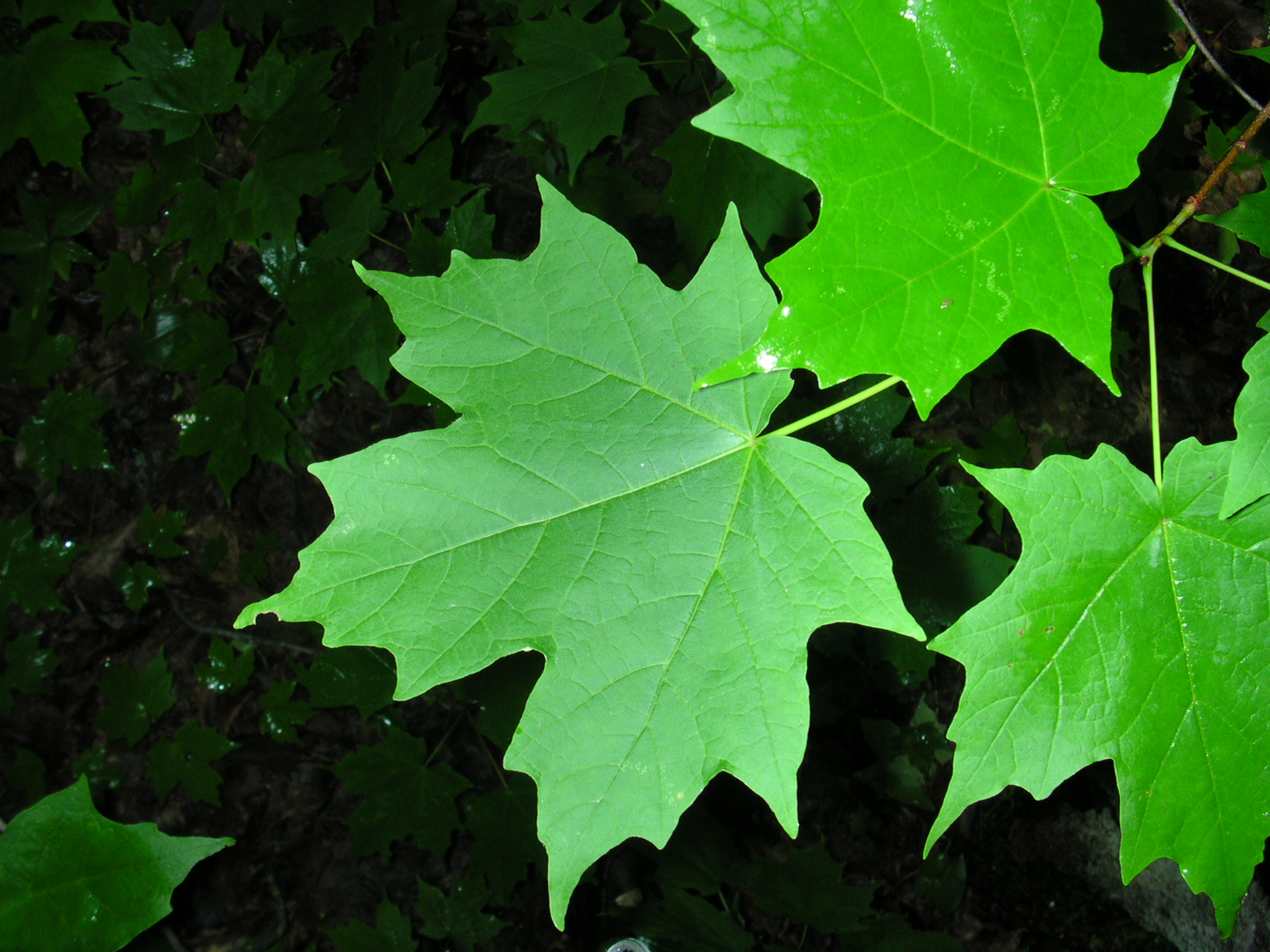
Sugar Maple (Acer saccharum)
Introduction
Each October, something extraordinary happens across the forests of northeastern North America. A slow chemical revolution, weeks in the making, announces itself in an eruption of color so vivid it seems almost improbable — crimson, amber, gold, and burnt orange washing across entire mountain ranges, ridge by ridge, valley by valley. At the center of this spectacle, more than any other species, stands the Sugar Maple.
Acer saccharum is not simply a tree. It is an ecological architect, a seasonal timekeeper, a carbon vault, and a living chemistry laboratory whose processes underpin the entire functioning of the temperate deciduous forest. In the forests of the Appalachians, the Great Lakes, and the St. Lawrence Valley, Sugar Maples form the dominant canopy layer, their spreading crowns interlocking overhead like vaulted cathedral ceilings. Below them, a carefully orchestrated world unfolds: shade-tolerant understory plants, spring ephemeral wildflowers, and a complex community of fungi, insects, birds, and mammals, all structured around the seasonal rhythms of this single remarkable tree.
The Sugar Maple is perhaps best known beyond the scientific community for producing maple syrup — a cultural and economic institution across Canada and the northeastern United States. Yet reducing Acer saccharum to its sweetness would be a profound underestimation. This is a tree that can live for 400 years, store enormous quantities of atmospheric carbon, stabilize soils across steep mountain slopes, and support hundreds of species through the provision of food, shelter, and biochemical resources. Its autumn leaf chemistry, its spring xylem pressure physiology, and its role as a keystone species in one of North America's most productive forest biomes all mark it as one of the most ecologically significant trees on the continent.
To understand the Sugar Maple is to understand the temperate forest itself — its cycles, its resilience, and its extraordinary biological complexity.
"The creation of a thousand forests is in one acorn — and in one maple seed, the creation of a thousand autumns."
— Adapted from Ralph Waldo Emerson
Scientific Classification
- Kingdom: Plantae
- Division: Tracheophyta
- Class: Magnoliopsida
- Order: Sapindales
- Family: Sapindaceae
- Genus: Acer
- Species: Acer saccharum Marshall
The genus Acer contains approximately 132 recognized species distributed primarily across the temperate zones of the Northern Hemisphere. Acer saccharum was formally described by Humphry Marshall in 1785 in his work Arbustum Americanum, one of the first botanical catalogues produced by a native-born American botanist. The species name saccharum is derived from the Latin for "sugar," a direct reference to the high sucrose concentration in the tree's xylem sap — the biological feature that made this species economically and culturally vital to indigenous and colonial populations alike.
Taxonomic revisions have recognized several subspecies and closely related species within the Acer saccharum complex, including Acer nigrum (Black Maple), sometimes treated as a subspecies (Acer saccharum subsp. nigrum), and Acer leucoderme (Chalk Maple). The broader family Sapindaceae, to which all maples belong following molecular reclassification from the older Aceraceae, includes horse chestnuts, lychees, and soapberries — a reminder that evolutionary lineage frequently runs counter to superficial appearance.
Physical Characteristics
Size, Form, and Crown Architecture
A mature Sugar Maple in open woodland reaches heights of 25 to 35 meters, with exceptional specimens recorded at 40 meters or more. In dense forest stands, crown competition drives vertical growth, producing tall, straight boles with high canopy spread. In open settings, the form is broadly oval to rounded, with a dense, symmetrical crown that maximizes interception of solar radiation. Trunk diameters typically range from 60 to 90 centimeters in mature trees, with old-growth specimens exceeding 150 centimeters at breast height.
The bark of young Sugar Maples is smooth and grey-brown, developing with age into deeply furrowed, scaly plates running in long, irregular vertical ridges. This roughened bark serves as a microhabitat for lichens, mosses, and invertebrates, adding another ecological dimension to the tree's contribution. The inner bark — the phloem — contains the sieve tubes that transport photosynthetically produced sugars from leaf to root, the same sugar transport system that makes autumn sap collection biologically possible.
Leaves and Petioles
The leaves of Acer saccharum are among the most recognized botanical structures in the temperate world. Each leaf is palmate with five lobes, arranged in an opposite pattern along the twig. The lobes are separated by shallow to moderately deep sinuses, with the three central lobes broadly triangular and the two basal lobes smaller and more rounded. Leaf blades measure 8 to 18 centimeters in width, with a bright green upper surface and a pale, often glaucous underside.
The petiole is long and slender — typically 5 to 10 centimeters — allowing the leaf to orient dynamically in shifting light conditions, a feature known as solar tracking. This petiole flexibility is particularly important in a canopy species where maximizing photosynthesis while managing heat load is critical. In autumn, spectacular pigmentation results from the breakdown of chlorophyll and the active synthesis of anthocyanins combined with the retention of carotenoids, a process driven by shortening photoperiods and declining temperatures.
Root System
The root architecture of Acer saccharum is broadly spreading, shallow in its lateral extent but capable of deeper sinker roots on well-drained sites. In mature trees, surface roots may extend 20 meters or more from the trunk, foraging through the upper soil horizon where organic matter, moisture, and mineral nutrients concentrate. The shallow lateral root network makes Sugar Maples particularly sensitive to soil compaction — a significant vulnerability in urban and suburban landscapes.
Flowers, Fruits, and Seeds
Sugar Maple flowers are small, yellow-green, and pendulous, emerging in clusters before or alongside leaf emergence in early spring — typically March to May depending on latitude. Flowers are functionally polygamo-dioecious, meaning individual trees may produce male, female, or hermaphroditic flowers, and this sex expression can shift between years. Pollination is primarily wind-mediated.
The fruit is a double samara — the paired winged achenes familiar to any child who has watched them helicopter to the ground in late autumn. Each samara wing measures 2.5 to 3.5 centimeters in length, and the aerodynamic spin generated during descent allows the seed to travel considerable distances from the parent tree in a moderate wind. Seeds require a period of cold stratification to break dormancy and germinate, an adaptation that synchronizes establishment with favorable spring conditions.
Habitat & Distribution
Geographic Range
Acer saccharum is native to eastern North America, with a range extending from Nova Scotia and New Brunswick westward through southern Quebec and Ontario, across the Great Lakes region into Minnesota, and south through the Appalachian Mountains into Tennessee, North Carolina, and in isolated populations, the highlands of Georgia and Alabama. The species also occurs across the Midwest, from Missouri and Arkansas into Kansas, though these populations inhabit specific microhabitats.
The heart of the Sugar Maple's geographic range aligns closely with the northeastern deciduous forest biome, where cool summers, cold winters, and moderate to high precipitation create the environmental conditions this species requires. The northern boundary of the range is determined primarily by winter temperature and growing season length; the southern limit is set by summer heat stress, drought, and soil conditions.
Ecosystem Preferences
Sugar Maples thrive in rich, mesic soils with good drainage and a near-neutral to slightly acidic pH, typically between 5.5 and 7.3. They are most abundant on north-facing and east-facing slopes, where reduced solar radiation maintains soil moisture and moderates temperature extremes. Deep, well-aerated soils rich in organic matter support the fastest growth and largest specimens.
In forest community terms, Sugar Maple is the defining dominant of the Sugar Maple–Beech–Yellow Birch association, a classic old-growth temperate forest type covering enormous areas of northeastern North America. This forest type is characterized by a closed canopy, deep leaf litter, a rich understory of shade-tolerant herbs, and an exceptionally diverse mycorrhizal fungal community. Sugar Maple co-dominates with American Beech (Fagus grandifolia), Yellow Birch (Betula alleghaniensis), and Eastern Hemlock (Tsuga canadensis) across much of its range.
Growth Systems & Physiology
Photosynthesis and Carbon Assimilation
Acer saccharum operates as a shade-tolerant C3 photosynthesizer, capable of maintaining positive carbon gain at light levels as low as 1 to 2 percent of full sunlight. This physiological trait is foundational to its canopy dominance. In the dense forest interior, juveniles and understory trees persist in conditions that would cause carbon starvation in less tolerant species, waiting — sometimes for decades — for a canopy gap to open and release them into full-light growth.
The photosynthetic machinery in Sugar Maple leaves is highly efficient under diffuse light conditions. Mesophyll cells are arranged in a deep palisade layer, and the chloroplast density per unit leaf area is among the highest recorded for temperate deciduous trees. Leaf nitrogen is allocated disproportionately to rubisco — the CO₂-fixing enzyme — further maximizing carbon gain under low-light conditions. As a consequence, Sugar Maple invests heavily in leaf area rather than root biomass during the understory phase of growth, maximizing light capture at the expense of drought tolerance.
The Xylem Pressure Cycle and Sap Flow
One of the most extraordinary physiological systems in the plant kingdom operates quietly inside a Sugar Maple every late winter. As temperatures oscillate above and below freezing — warm days followed by cold nights — a unique pressure cycle develops within the wood. During cold nights, CO₂ dissolved in the sap is absorbed by ice formation in the wood fibers, creating negative pressure (tension) that draws water from the soil. When temperatures rise above freezing the following day, CO₂ is released from solution as ice melts, generating positive pressures of 100 to 350 kilopascals within the xylem.
This freeze-thaw pressure cycle — sometimes called the maple sap pressure mechanism — is biochemically distinct from the osmotic mechanisms that drive sap flow in most other deciduous trees. It depends critically on the co-occurrence of freezing nights and warm days, conditions that occur reliably only in late February and March in the northeastern United States and Canada. The sap flowing under these conditions contains sucrose concentrations of 1 to 3 percent by weight — sucrose synthesized the previous growing season and stored as starch in ray parenchyma cells throughout the sapwood, then converted back to sucrose in autumn and mobilized into the xylem solution. This biochemical oscillation between starch storage and sugar mobilization is regulated by temperature-sensitive enzymatic pathways and represents one of the more unusual carbon storage strategies among temperate trees.
Water Transport and Hydraulic Architecture
The water transport system of Acer saccharum is built on large-diameter vessel elements distributed through the diffuse-porous wood. Unlike ring-porous trees — such as oaks and ashes — that produce a dense band of large vessels only in spring, Sugar Maples produce vessels of moderate, relatively uniform size throughout the growing season, creating a more hydraulically redundant system. This architecture provides some resistance to drought-induced cavitation — the formation of air bubbles that block water transport — though Sugar Maple is considerably less drought-tolerant than ring-porous species.
Stomatal regulation in Sugar Maple is conservative, with early closure at mild vapor pressure deficits compared to some co-occurring species. This behavior limits water loss under dry conditions but also constrains photosynthesis during summer drought. In years of pronounced summer drought, Sugar Maple frequently exhibits partial crown dieback — a stress response that has become more frequent as climate variability increases across the species' core range.
Nutrient Uptake and Mycorrhizal Networks
Sugar Maples form ectomycorrhizal associations with a rich and species-diverse community of basidiomycete and ascomycete fungi. These associations extend the effective root system far beyond the physical root tips, with fungal hyphae threading through several cubic meters of soil per individual tree. The fungal partners provide phosphorus, nitrogen, and trace minerals in exchange for photosynthetically fixed carbon — an exchange estimated to account for 15 to 25 percent of the tree's total carbon output annually.
The ectomycorrhizal network beneath a Sugar Maple forest is not merely a collection of individual plant-fungus pairs. Research has documented extensive belowground hyphal connections linking adjacent trees — networks through which carbon, water, and mineral resources can be transferred between individuals. Whether these transfers represent cooperative resource sharing or a consequence of passive diffusion gradients remains debated in the ecological literature, but their existence demonstrates that the forest functions as an integrated biological system rather than a collection of competing individuals.
Seasonal Growth Cycles and Phenology
The annual growth cycle of Acer saccharum is precisely calibrated to the temperature and photoperiod conditions of the northeastern temperate zone. Dormancy break in spring is triggered by a combination of accumulated chilling units and accumulating warmth — a dual-gate system that prevents premature growth during brief mid-winter warm spells. Leaf emergence typically precedes or coincides with flowering, occurring between late March and early May depending on latitude and elevation.
Active cambial growth and wood formation proceed through late spring and summer, laying down annual rings visible in cross-section as alternating bands of lower-density earlywood and denser latewood. In mature trees growing on optimal sites, radial growth increments of 3 to 6 millimeters per year are typical. Leaf senescence in autumn is initiated by shortening photoperiod rather than temperature decline — a crucial distinction, as this photoperiodic trigger ensures consistent seasonal timing regardless of year-to-year temperature variation, giving the species a precise internal clock calibrated to astronomical cycles rather than meteorological ones.
Fun FactThe freeze-thaw sap pressure cycle that makes maple syrup production possible is unique to the Sugar Maple and a handful of closely related species. It requires a very specific pattern of alternating warm days and freezing nights — a climatic window that typically lasts only 4 to 6 weeks per year in traditional maple-producing regions, and one that climate change is already beginning to shorten.
Evolutionary Adaptation
Shade Tolerance as an Evolutionary Strategy
The shade tolerance of Acer saccharum is not merely a physiological trait — it is an evolutionary strategy shaped by tens of millions of years of competition within closed-canopy forests. The fossil record of Acer dates to the Eocene epoch, approximately 50 million years ago, and by the Miocene, maples were already widespread across the temperate forests of the Northern Hemisphere. The prolonged evolutionary history within shaded forest interiors has produced a species with remarkably efficient light capture architecture, high leaf area indices, and the capacity to suppress competing vegetation through allelopathy — the release of biochemical inhibitors into the soil from decomposing leaf litter.
Sugar Maple leaves produce tannins and phenolic compounds that, upon decomposition, acidify and chemically alter the soil in ways that selectively suppress the germination and establishment of competing species while moderately favoring Sugar Maple's own seedlings. This allelopathic mechanism, combined with shade production, gives Sugar Maple the capacity to form nearly monospecific stands in some localities — a rare achievement for any single tree species within the high-diversity northeastern forest ecosystem.
Cold Hardiness and Freeze-Thaw Resistance
Winter survival in the northeastern forests demands extraordinary cold tolerance. Acer saccharum undergoes deep dormancy hardening in autumn, accumulating cryoprotective compounds — primarily soluble sugars and specific cold-responsive proteins — within its cells. Fully hardened Sugar Maple tissues can withstand temperatures as low as -40°C without lethal ice crystal formation in living cells. This cold hardiness is achieved through supercooling: maintaining cellular water in a liquid state below the freezing point through the presence of osmotically active solutes and specialized antifreeze proteins expressed during dormancy.
The bark of mature Sugar Maples contains tannins and phenolic compounds that reduce the risk of bacterial and fungal infection through frost cracks — the longitudinal splits that can appear in hardwood bark during rapid temperature swings. These chemicals also confer resistance to certain wood-decay pathogens, contributing meaningfully to the species' remarkable longevity and to the structural integrity of old-growth trees.
Autumn Pigmentation — A Biological Investment
The autumn color change in Sugar Maple is not the passive consequence of chlorophyll breakdown. The brilliant reds and crimsons — produced by anthocyanin synthesis specifically triggered during senescence — represent a significant metabolic investment. Several competing hypotheses seek to explain this investment. The photoprotection hypothesis proposes that anthocyanins screen the leaf from excess radiation during the critical nutrient-retrieval phase, when nitrogen and phosphorus are being withdrawn from senescing leaf tissue for storage in woody stems and roots. The coevolution hypothesis suggests that vivid autumn coloration signals tree health to potential insect colonizers, deterring investment in a well-defended host. Evidence supports elements of both hypotheses, and they are not mutually exclusive.
What is certain is that Sugar Maple's extraordinary autumn pigmentation is an active biological process, carefully regulated at the molecular level, that contributes to nutrient conservation — one of the key physiological preparations for winter dormancy and one of the most visually spectacular events in the temperate world.
Ecological Interaction
Canopy Dominance and Forest Succession
In the forests of the northeastern United States and Canada, Sugar Maple occupies the climax position in forest succession. Following disturbance — whether from windstorm, fire, insect outbreak, or logging — forest recovery proceeds through a sequence of pioneer, intermediate, and late-successional species. Sugar Maple typically enters the successional trajectory in the intermediate stage, growing beneath a nurse canopy of faster-growing species such as White Birch, Quaking Aspen, and Red Maple. As these pioneers age and fall, Sugar Maple — whose long-suppressed understory juveniles have been slowly accumulating resources — rises to fill the canopy, often with American Beech and Yellow Birch as co-dominants.
This successional trajectory is self-reinforcing. The deep shade cast by the Sugar Maple canopy suppresses all but the most shade-tolerant competitors, while allelopathic leaf litter chemistry selectively benefits Sugar Maple regeneration. The result is a forest in dynamic but persistent equilibrium, with Sugar Maple maintaining canopy dominance through a feedback loop of shade production, allelopathy, and gap-phase regeneration — a rare example of a species that engineers the conditions for its own perpetuation at landscape scale.
Pollination Ecology
Sugar Maple flowers in early spring, and pollination is primarily anemophilous — wind-mediated. The small, pendulous flowers produce abundant pollen that is carried passively by wind currents, with pollen grain morphology optimized for airborne transport. However, the flowers also produce small quantities of nectar, and bees, flies, and other early-emerging insects frequently visit them. Studies have found that insect visitation significantly increases seed set under certain conditions, suggesting that Acer saccharum is functionally ambophilous — capable of both wind and insect pollination — with wind serving as the primary vector but insect pollinators providing supplementary services, particularly in calm weather or low-wind years.
The timing of Sugar Maple flowering is ecologically critical. Spring-emerging bees, particularly native bumblebees and solitary mining bees, depend on early-season floral resources, and Sugar Maple is one of the most significant early nectar sources in the northeastern forest. As phenological mismatches between flowering and pollinator emergence become more frequent due to climate change, this mutualistic relationship faces increasing disruption, with potential cascading effects on both tree reproduction and early-season bee populations.
Seed Dispersal and Forest Dynamics
The double-samara dispersal system of Acer saccharum is an elegant aerodynamic adaptation. Each samara spins in a controlled autorotation during descent, generating lift and dramatically extending glide time. Wind speeds of 5 to 10 meters per second can carry samaras 100 to 200 meters from the parent tree, and strong convective winds during autumn storms occasionally transport seeds over 400 meters. This dispersal range is modest compared to species with lighter, plume-carried seeds, but sufficient to colonize canopy gaps and advance into adjacent meadow or disturbed land.
Seed production in Sugar Maple is markedly episodic — a phenomenon known as mast seeding. In most years, production is moderate or low. Every 2 to 5 years, however, trees within a regional population synchronize to produce massive seed crops, overwhelming the capacity of seed predators and dramatically increasing the probability that some seeds escape predation and establish successfully. The synchronizing cue for mast years appears to be a specific pattern of temperature variation during the summer preceding seed maturation — a temperature-based environmental signal that links seed production across vast forest areas, spanning hundreds of kilometers.
Soil Chemistry and the Calcium Cycle
One of the most underappreciated ecological functions of Sugar Maple is its role in calcium cycling within the forest ecosystem. The species actively concentrates calcium in its leaf tissue, with leaf calcium concentrations 2 to 3 times higher than many co-occurring trees. When these calcium-rich leaves decompose, they release calcium and other base cations back into the surface soil, maintaining the near-neutral pH conditions that Sugar Maple itself requires. In effect, the tree engineers its own soil environment through the chemical composition of its annual leaf litter.
This calcium cycling function has become ecologically significant in the context of acid deposition. Decades of acid rain from industrial sulfur and nitrogen emissions have depleted base cations — calcium, magnesium, potassium — from forest soils across much of the Sugar Maple range. Where calcium depletion has progressed furthest, Sugar Maple populations have declined and been replaced by more acid-tolerant species. The loss of Sugar Maple, in turn, accelerates calcium depletion, creating a downward ecological spiral that is difficult to reverse without direct intervention.
Symbiotic Relationships with Fungi
The ectomycorrhizal community associated with Sugar Maple is among the most species-rich in the temperate world. Over 200 fungal species have been documented in association with Acer saccharum root systems across its range, including species of Amanita, Russula, Lactarius, Cortinarius, and Piloderma. This fungal diversity creates a biochemically redundant nutrient acquisition system, buffering the tree against the loss of any single fungal partner.
Certain ectomycorrhizal fungi associated with Sugar Maple produce fruiting bodies — mushrooms — that are ecologically significant beyond their role in tree nutrition. Species of Russula and Lactarius are consumed by deer, squirrels, flying squirrels, and various insects, creating trophic connections between the belowground fungal community and aboveground wildlife. The decomposition of these fruiting bodies returns nutrients to the forest floor, closing nutrient cycles in ways that are often invisible but ecologically indispensable.
In the Adirondack Mountains of upstate New York, in a Sugar Maple stand that has occupied the same north-facing slope since before European contact, a field botanist pauses at the base of an enormous trunk — perhaps 80 centimeters in diameter, its deeply furrowed bark hosting a mosaic of foliose lichens in silver, green, and ochre. The morning air carries the scent of damp leaf litter and something faintly mineral, the fragrance of a forest floor thick with centuries of accumulated organic matter.
Around her, the forest floor is carpeted in spring ephemerals — trout lily, bloodroot, hepatica — their brief flowering made possible by the narrow window of light between snowmelt and canopy closure above. In a few weeks, the Sugar Maple canopy will seal overhead, and the ephemerals will set seed and die back, their whole annual existence compressed into the period when the maple allows light to reach the ground. The trees do not merely occupy this landscape. They structure it, dictating the timing and composition of life below.
Nearby, a yellow birch has begun to lean and decline, its root system weakened by a bracket fungus. Already the Sugar Maple seedlings that have persisted in deep shade for years beneath it are shifting posture — their uppermost leaves tilting fractionally toward the diffuse light leaking through the birch's thinning crown. In a forest operating on century-long timescales, this micro-adjustment represents a sprint. When the birch falls, these seedlings will respond within weeks to the flood of light, their growth rates accelerating from a few millimeters to several centimeters per year. The forest breathes on timescales we rarely witness, but it breathes unmistakably.
Role in Ecosystem
Carbon Sequestration and Long-Term Storage
A mature Sugar Maple forest is one of the most carbon-dense ecosystems in the temperate zone. Individual mature trees store an estimated 1.5 to 3 tonnes of carbon in above-ground biomass, with an additional 0.5 to 1.5 tonnes stored in roots. When the soil carbon pool maintained by Sugar Maple leaf litter decomposition is included — soil organic carbon in Sugar Maple stands often exceeds 80 tonnes per hectare — the total ecosystem carbon stock of a mature Sugar Maple forest rivals that of many tropical forest types per unit area.
Annual carbon sequestration rates vary considerably with tree age and site quality, but mature Sugar Maple forests in optimal condition sequester 2 to 4 tonnes of carbon per hectare per year. Old-growth stands, where the balance between photosynthesis and respiration approaches equilibrium, sequester less carbon annually but maintain their enormous standing carbon stocks for centuries — making their preservation far more significant climatically than their annual flux rates alone suggest.
Oxygen Production and Air Quality
Through photosynthesis, a mature Sugar Maple produces approximately 100 kilograms of oxygen per year and absorbs roughly 22 kilograms of CO₂ in the process. Over the course of a 200-year lifespan, a single tree sequesters several tonnes of carbon while producing oxygen sufficient for multiple human lifetimes. The dense Sugar Maple canopy also intercepts airborne particulates, captures pollutant gases including ozone and nitrogen oxides, and moderates local temperatures through evapotranspirational cooling — a function of particular significance in urban and peri-urban forest systems.
Habitat Creation and Biodiversity Support
Old Sugar Maples are keystone habitat structures within the northeastern forest. The deeply furrowed bark provides nesting and overwintering sites for numerous invertebrate species, including native bees, beetles, and spiders. Natural cavities in older trees — produced by branch failures, woodpecker excavation, and fungal decay — are essential nesting and denning sites for cavity-dependent wildlife: flying squirrels, white-footed mice, wood ducks, various owl species, and numerous cavity-nesting songbirds. No engineered nest box can replicate the thermal stability and chemical complexity of a cavity within a living tree centuries old.
The leaf litter produced by Sugar Maple — large volumes of calcium-rich, moderately decomposable leaves — supports a diverse invertebrate decomposer community, including earthworms, millipedes, isopods, and springtails. This decomposer community maintains soil structure and fertility, underpinning the productivity of the entire forest ecosystem. The connection between a falling maple leaf and a functioning watershed is not metaphorical — it is biochemical and measurable.
Interaction with Wildlife
Seed Predators and Dispersers
The samaras of Acer saccharum are among the most important seed resources in the northeastern forest during autumn and early winter. Gray squirrels, red squirrels, and chipmunks harvest samaras intensively during mast years, caching large quantities in shallow soil for winter retrieval. Seeds not recovered contribute significantly to natural regeneration. White-footed mice and deer mice also consume samaras and serve as important secondary dispersers, moving seeds to locations beyond the primary wind dispersal range.
Evening grosbeaks are perhaps the most specialized avian consumers of Sugar Maple seeds and inner bark, and their population dynamics show meaningful correlation with Sugar Maple mast cycles. During high mast years, grosbeak flocks congregate in Sugar Maple forests in extraordinary concentrations. The birds' strong, conical bills crack samara hulls efficiently, extracting the seed with minimal energy expenditure and serving as an important selective pressure on samara morphology over evolutionary time.
Foliage Feeders and Insect Diversity
The foliage of Acer saccharum supports an exceptionally rich phytophagous insect community. Over 280 insect species have been recorded feeding on Sugar Maple across its range, including larvae of numerous moth and butterfly species, leaf-mining flies and moths, gall-forming aphids and midges, and a diversity of beetles. This insect richness makes Sugar Maple one of the most ecologically important tree species for supporting insectivorous bird populations in the northeastern forest, and its importance for breeding warblers, vireos, and flycatchers is well-documented in ornithological literature.
The Forest Tent Caterpillar (Malacosoma disstria) is perhaps the most significant periodic defoliator of Sugar Maple. Population cycles of this moth peak every 10 to 15 years in many regions, causing near-complete defoliation of Sugar Maple over vast areas. While a single defoliation event rarely kills healthy trees, repeated defoliation in consecutive years stresses trees severely, depleting carbohydrate reserves and rendering them vulnerable to secondary pathogens and bark beetles.
Deer Browsing and Forest Regeneration
White-tailed deer present a complex and increasingly serious challenge to Sugar Maple forest regeneration across much of the species' range. Deer preferentially browse Sugar Maple seedlings and saplings, consuming leaves, tender twigs, and bark during winter when other food sources are scarce. In areas with deer populations exceeding 8 to 10 animals per square kilometer, Sugar Maple regeneration can be severely suppressed, with the understory dominated instead by unpalatable species such as American Beech, invasive shrubs, or dense fern mats. This browser-driven shift in forest composition has long-term implications for the trajectory of northeastern forest ecosystems and the species that depend on Sugar Maple's canopy dominance.
Fun FactA single mature Sugar Maple in a mast year can produce more than one million individual samaras. Even accounting for the enormous seed predation by squirrels, birds, and rodents, the sheer volume of seed produced in synchrony with neighboring trees ensures that some fraction always escapes to germinate — the evolutionary logic behind masting perfectly visible in the seed-littered forest floor each autumn.
Reproduction & Life Cycle
Flowering and Pollination
Sugar Maple first reproduces sexually at approximately 10 to 20 years of age in open conditions, but understory trees suppressed beneath a closed canopy may not flower productively until canopy release enables adequate photosynthate accumulation. Flowering occurs in early spring — March through May depending on latitude — with small yellow-green flower clusters emerging from buds before or alongside the first leaves. The flowers are produced in fascicles of 3 to 10 on long, slender pedicels, presenting the flowers below the developing foliage in a position favorable for both wind capture and bee access.
Seed Development and Maturation
Following pollination, seed development proceeds through summer, with paired samaras reaching full size by late summer. Seed maturation is complete by late September to October, when samaras transition from green to tan-brown and are released from the tree. In years with late frosts during flowering, seed set can be dramatically reduced across entire regional populations — one of the stochastic events that contributes to the episodic mast year pattern and to the wide variability in annual recruitment to the seedling layer.
Germination and Early Establishment
Sugar Maple seeds require a cold stratification period of 60 to 90 days to break physiological dormancy. Under natural conditions, seeds falling in autumn overwinter in the leaf litter, completing stratification during the cold months, and germinate in early spring as soil temperatures rise above 5°C. Germination rates in undisturbed forest are high — often 70 to 90 percent in mast years — but survival through the first few growing seasons is strongly density-dependent, with intense competition among seedlings and heavy predation by invertebrates reducing the cohort dramatically.
Established seedlings grow slowly in deep shade, persisting for 3 to 10 years at heights of less than 50 centimeters while investing in root development and shade-adapted leaf physiology. Upon canopy gap formation, suppressed seedlings respond rapidly to the flood of light, with growth rates accelerating from a few millimeters to several centimeters per year. Trees reaching the canopy in favorable conditions may require 40 to 80 years from germination; on poor sites or under continued competition, 100 years or more may be required to achieve canopy position.
Longevity and Old-Growth Dynamics
Sugar Maple is a long-lived species, with individual trees documented at 400 years of age in protected old-growth stands. At this age, crown volume is enormous, natural cavities are abundant, and the contribution to forest biodiversity through habitat provision reaches its maximum. Old-growth Sugar Maples contribute not only structural complexity but also decades of accumulated leaf litter, woody debris, and soil-building processes that make old-growth forests qualitatively and ecologically different from younger managed stands. The loss of old-growth individuals is not recoverable on timescales relevant to human planning horizons.
Environmental Importance
Climate Regulation at Regional Scale
The Sugar Maple forest biome plays a significant role in regional climate regulation through several interconnected mechanisms. Evapotranspiration from Sugar Maple forests releases enormous quantities of water vapor, contributing to the atmospheric moisture cycling that generates precipitation across the northeastern interior of the continent. A mature Sugar Maple forest transpires 200 to 400 millimeters of water per growing season per unit area — a flux that meaningfully influences regional precipitation patterns and moderates temperature extremes downwind of large forested areas.
The high albedo of Sugar Maple leaves and the deep shading within the forest canopy reduce summer temperatures measurably both within the forest and in adjacent areas. Urban forests dominated by Sugar Maple can reduce peak summer air temperatures by 3 to 5°C compared to treeless surfaces, with cascading effects on energy consumption, human thermal comfort, and urban air quality. These cooling services become increasingly valuable as urban heat island effects intensify with climate change.
Watershed Protection and Soil Stability
The extensive lateral root systems of Sugar Maple bind soil on steep Appalachian and Adirondack slopes with extraordinary effectiveness. On north-facing slopes where Sugar Maple is most abundant, root networks stabilize soils that would otherwise be highly susceptible to erosion during snowmelt and heavy rain events. The leaf litter layer beneath Sugar Maple forests acts as a sponge, absorbing and slowing precipitation, dramatically reducing surface runoff, and allowing infiltration that recharges groundwater supplies well into summer.
Streams flowing through intact Sugar Maple forests are substantially cooler, clearer, and more chemically stable than those in deforested landscapes. The canopy shading maintains stream temperatures within the range required by cold-water fish species including brook trout, while root networks stabilize streambanks and prevent excessive sedimentation. The loss of riparian Sugar Maple is consistently among the most significant predictors of water quality degradation in northeastern watershed assessments.
Acid Deposition Sensitivity as an Ecological Indicator
The Sugar Maple's sensitivity to soil acidification makes it an ecologically important indicator species for assessing air pollution impacts on forest health. Because the species requires relatively high soil calcium and is intolerant of strongly acidic soil conditions, its decline in affected areas provides an early and sensitive signal of ecosystem stress from acid deposition. Long-term monitoring of Sugar Maple crown condition and seedling establishment density has become a standard tool in assessing forest ecosystem recovery following reductions in sulfur dioxide emissions under the Clean Air Act and its Canadian equivalents.
Human Relationship
Indigenous Peoples and the Maple
For thousands of years before European contact, indigenous peoples of northeastern North America used Sugar Maple as a vital food, medicine, and material resource. The Anishinaabe, Haudenosaunee, Abenaki, and many other nations developed sophisticated techniques for harvesting and concentrating maple sap — drilling or cutting taps into bark, collecting sap in birch bark containers, and concentrating it by removing ice or adding hot stones. Maple sugar was a critical caloric supplement during late winter, when stored food supplies were at their lowest. The spring sugar bush was a gathering place for families and communities, and maple production was embedded in ceremonial, social, and spiritual practices across many northeastern cultures.
The Maple Syrup Industry
Canada and the United States together produce approximately 95 percent of the world's maple syrup, with Quebec accounting for over 70 percent of global production. The industry is built almost entirely on Acer saccharum, whose sap has the highest natural sucrose content among tappable maple species. Modern sugarhouses process tens of millions of liters of sap annually, typically using vacuum-assisted collection systems through plastic tubing networks combined with high-efficiency reverse osmosis and evaporation technology. The industry generates approximately $500 million in annual revenue in North America and supports thousands of rural livelihoods.
| Characteristic | Sugar Maple (Acer saccharum) | Red Maple (Acer rubrum) | Silver Maple (Acer saccharinum) |
|---|---|---|---|
| Sap sucrose content | 1.5–3.0% | 0.5–1.0% | 0.5–0.8% |
| Sap-to-syrup ratio | ~40:1 | ~80:1 | ~90:1 |
| Commercial syrup use | Primary species | Limited, supplementary | Rarely used commercially |
| Autumn color | Yellow, orange, red, crimson | Scarlet red, earlier onset | Yellow, pale orange |
| Shade tolerance | Very high | High | Low to moderate |
| Drought tolerance | Low to moderate | Moderate | Moderate to high |
| Soil pH preference | 5.5–7.3 (mesic, base-rich) | 4.5–7.0 (broad tolerance) | 4.5–7.5 (wetland tolerant) |
Timber and Economic Uses
Sugar Maple produces one of the most highly valued hardwoods in North America. The wood is hard, dense (specific gravity approximately 0.56 when dry), and possesses a fine, uniform grain that accepts stain and polish beautifully. It is used extensively in furniture production, cabinetry, hardwood flooring, musical instruments — including the backs and necks of most high-quality violins produced in North America — bowling alleys, and sports equipment. The figured wood forms known as bird's-eye maple and quilted maple, produced by aberrant grain development in individual trees, command extraordinary prices in specialty woodworking markets.
Cultural Symbolism and Tourism
The Sugar Maple holds a place of deep cultural significance in both Canada and the northeastern United States. The maple leaf — modeled stylistically on Acer saccharum — appears on the Canadian national flag, representing the forest heritage and natural identity of the nation. Sugar Maple is also the state tree of New York, Vermont, West Virginia, and Wisconsin, and the provincial tree of Quebec and Ontario. The autumn foliage of Sugar Maple forests is one of North America's most significant cultural tourism draws, generating hundreds of millions of dollars annually in leaf-peeping tourism revenue in New England and the Great Lakes region — an economic value that is rarely included in standard assessments of forest ecosystem services.
Fun FactIt takes approximately 40 liters of Sugar Maple sap to produce just one liter of pure maple syrup. The extraordinary concentration required reflects the fact that raw sap is 97 to 98.5 percent water — every drop of sweetness must be extracted through sustained evaporative boiling or reverse osmosis, a process that requires enormous energy inputs and explains why genuine maple syrup has always commanded a premium price.
Threats & Conservation
Climate Change — The Primary Long-Term Threat
Climate change represents the most profound long-term threat to Acer saccharum and the forest biome it defines. Multiple climate stressors converge on the species simultaneously. Increasing summer temperatures and more frequent drought events exceed the hydraulic tolerance of Sugar Maple, causing crown dieback, reduced growth, and elevated tree mortality. Warming winters reduce the reliability of the freeze-thaw cycles that drive sap flow, threatening both the ecological phenology of the tree and the economic viability of the maple syrup industry. Spring frost events following early dormancy break — a risk that increases when warm spells occur irregularly earlier in the year — can destroy entire years' flower production.
Bioclimatic modeling studies published through the early 2020s consistently project a major northward and elevational shift in the climatically suitable range of Acer saccharum over the coming century. Species distribution models suggest that the core of the Sugar Maple's present range — including much of New England, New York, Pennsylvania, and the upper Midwest — will become climatically marginal or unsuitable by 2100 under high-emission scenarios. The tree can theoretically migrate northward as conditions shift, but the pace of projected climate change is expected to outstrip the species' natural dispersal capacity, creating a demographic lag that could result in significant range contraction.
Acid Deposition and Soil Calcium Depletion
Decades of acid rain from industrial sulfur and nitrogen emissions have depleted base cations — particularly calcium — from the shallow, glacially derived soils across much of the Sugar Maple range. This depletion has been documented most severely in the Adirondacks, the Green Mountains, the Catskills, and the northern Appalachians, where Sugar Maple decline was first widely reported in the 1980s. While U.S. and Canadian emissions regulations have reduced sulfur emissions substantially since the 1990 Clean Air Act Amendments, the recovery of soil base cation pools following acid depletion is extraordinarily slow — likely to require decades to centuries even under favorable conditions.
Invasive Species and Emerging Forest Pests
Several invasive species pose serious threats to Sugar Maple forests. The Asian Longhorned Beetle (Anoplophora glabripennis) is a direct and potentially catastrophic threat — this wood-boring beetle attacks and kills Sugar Maple along with several other hardwood species and is considered one of the most destructive potential forest pests in North America. Established populations have been detected and subject to costly eradication programs in New York, Massachusetts, Ohio, and New Jersey. A widespread uncontrolled outbreak could devastate Sugar Maple forests across the northeastern region.
Invasive earthworms — particularly European and Asian species absent from glaciated northeastern forests prior to European settlement — are restructuring forest floor ecosystems in ways that directly disadvantage Sugar Maple regeneration. By consuming the deep leaf litter layer, invasive earthworms remove the seedbed upon which Sugar Maple germination depends, reducing seedling establishment rates significantly and shifting competitive advantage toward species with different regeneration strategies.
IUCN Conservation Status and Management Responses
Acer saccharum is currently assessed by the IUCN Red List of Threatened Species as Least Concern (LC) at the global level, reflecting its wide distribution and large total population. However, this global assessment masks significant regional concern. In the southern portions of its range — Tennessee, North Carolina, Georgia — and in heavily developed portions of the northeastern United States, local populations have declined substantially. Conservation organizations including the U.S. Forest Service, Canadian Forest Service, and numerous state and provincial agencies maintain active monitoring programs for Sugar Maple crown health, soil chemistry, and regeneration density. Research into assisted migration — the deliberate establishment of Sugar Maple in areas projected to become climatically suitable in coming decades — is an active area of investigation.
Unique & Rare Facts
- The xylem pressure cycle responsible for maple sap flow is biochemically unique among North American trees, depending on a precise alternation of warm days and freezing nights — conditions that climate change is already making less predictable and less frequent in some traditional production regions.
- Sugar Maple exhibits sexual polymorphism: individual trees can produce male, female, or hermaphroditic flowers, and this sex expression frequently shifts from year to year — a rare and ecologically flexible reproductive strategy among temperate hardwoods.
- The bird's-eye maple wood figure — the scattered small, circular markings highly prized by woodworkers and luthiers — is produced by abnormal fiber growth whose developmental cause remains incompletely understood, with competing hypotheses including insect feeding damage, genetic mutation, and stress-induced growth disruption.
- In a mast seeding year, reproductive synchrony in Sugar Maple extends across regional populations spanning hundreds of kilometers, all responding to the same climatic trigger — a remarkable example of landscape-scale biological coordination that has no single coordinating organism or mechanism.
- Sugar Maple can live for 400 years or more, but its effective ecological contribution — through cavity provision, structural complexity, and habitat diversity — is greatest in trees over 150 years old, a developmental stage that managed and commercially harvested forests almost never reach.
- The allelopathic compounds in Sugar Maple leaf litter have been demonstrated to inhibit the germination of several invasive plant species, suggesting that intact Sugar Maple forests may provide a degree of natural chemical resistance to certain plant invasions — a biological buffer that disappears when the forest is cleared.
- Sap sucrose concentration in Sugar Maple is a heritable trait — individual tree genotypes produce consistently sweeter or less sweet sap across years and decades. Modern maple producers maintain records of individual tree productivity over decades and select for high-sugar genotypes in grafting programs targeting improved yield efficiency.
- Some Sugar Maple individuals in New England and Quebec have been documented producing sap with sucrose concentrations exceeding 5 percent — more than twice the population average — reducing the sap volume required for syrup production by half and representing extraordinary genetic value for the industry.
- The entire Canadian maple syrup industry is dependent on a 4 to 6 week seasonal weather window. In some years, the window closes before adequate sap volumes are collected, and individual sugarhouses can lose most of their annual income to a single late March heat wave.
Sources & Attribution
Data and ongoing research referenced for this article come from the following authoritative sources — peer-reviewed publishers, official taxonomic registers, and global biodiversity programmes:
- IUCN Red List — Sugar Maple — official IUCN Red List assessment including population trend, threats, and conservation actions.
- Wikipedia — Sugar Maple — taxonomy, distribution, and an overview with onward citations to primary literature.
- GBIF — Sugar Maple — global occurrence and distribution records from the Global Biodiversity Information Facility.
- iNaturalist — Sugar Maple — observation records and field photographs contributed by naturalists worldwide.
- Encyclopedia of Life — Sugar Maple — multilingual species pages aggregating taxonomic and natural-history data.
- Kew — Plants of the World Online — taxonomy, distribution, and conservation data from Kew Gardens.
- Nature — research on Sugar Maple — peer-reviewed studies indexed by Nature on related ecology and behaviour.
- ITIS — Integrated Taxonomic Information System — federal-grade taxonomy and nomenclature.
Frequently Asked Questions
What is Sugar Maple and why is it ecologically important?
Sugar Maple (Acer saccharum) is a large, long-lived deciduous hardwood tree native to northeastern North America and one of the defining species of the temperate deciduous forest biome. It is ecologically important as a keystone canopy species that structures entire forest communities through shade production, allelopathic leaf litter chemistry, and calcium-rich organic matter inputs. Its ectomycorrhizal fungal associations link neighboring trees in complex belowground networks, and its cavities, bark, and seeds support hundreds of wildlife species.
Beyond its direct ecological roles, Sugar Maple is the source of maple syrup, one of the most culturally significant foods of northeastern North America, and its timber is among the most valuable hardwoods on the continent. The species' long lifespan — up to 400 years — and its tendency toward climax forest dominance make it a uniquely important component of long-term forest carbon storage.
How does Sugar Maple produce maple syrup?
Maple syrup is produced by collecting and concentrating the sucrose-rich xylem sap of Acer saccharum during late winter and early spring. The sap flows under pressure generated by alternating freezing nights and warm days — a unique physiological mechanism involving CO₂ dissolving into and out of solution as temperatures fluctuate around the freezing point, creating pressure differentials of 100 to 350 kilopascals within the wood. Raw sap typically contains 1.5 to 3 percent sucrose, and approximately 40 liters of sap must be evaporated or processed by reverse osmosis to produce one liter of finished syrup.
The sap collection season lasts only 4 to 6 weeks per year, ending when daytime temperatures consistently exceed 10°C and trees begin to bud — at which point microbial activity in the sap changes its flavor. Once buds break, the syrup season is over until the following winter.
Why do Sugar Maple leaves turn such vivid colors in autumn?
The autumn color change in Sugar Maple involves two distinct biological processes. Yellow and orange tones are produced by carotenoid pigments present in the leaf throughout the growing season but masked by abundant green chlorophyll. As chlorophyll degrades in autumn, these carotenoids become visible. The brilliant reds and crimsons are produced by anthocyanin pigments actively synthesized during leaf senescence — a significant metabolic investment that likely serves to protect leaf tissue from UV radiation while nitrogen and phosphorus are being withdrawn from senescing leaves for reuse.
The intensity of Sugar Maple autumn color is strongly influenced by weather. Warm, sunny days combined with cool nights above freezing — conditions that slow chlorophyll degradation while promoting anthocyanin synthesis — produce the most vivid displays. Early hard frosts can cause leaves to drop before full color development, truncating the display dramatically.
How long does a Sugar Maple tree live?
Sugar Maples are notably long-lived among deciduous hardwood trees. In natural forest settings, specimens of 300 to 400 years are well-documented, and some old-growth individuals may be older still. The species maintains active growth and full ecological function well into old age, with ancient trees contributing disproportionately to forest biodiversity through cavity provision, structural complexity, and accumulated biomass. Trees of this age are extremely rare in managed forests, which are typically harvested long before trees approach their natural lifespan.
Is Sugar Maple threatened or endangered?
Globally, Acer saccharum is classified as Least Concern by the IUCN Red List, reflecting its wide range and large total population. However, this global status masks significant regional concern. Climate change is projected to render the core of the current range — much of New England, New York, and the upper Midwest — climatically marginal or unsuitable by 2100 under high-emission scenarios. Soil calcium depletion from acid deposition, invasive insect pests, and over-browsing by white-tailed deer are causing documented regeneration failures in parts of the range.
Conservation efforts are focused on emissions reductions to address both acid rain and climate change, experimental soil calcium supplementation programs (liming), deer population management, and research into assisted migration strategies that could help Sugar Maple track suitable climate conditions northward.
What animals depend on Sugar Maple?
A remarkable diversity of wildlife depends on Sugar Maple. Gray squirrels, red squirrels, and chipmunks harvest samaras and are the primary seed dispersers. White-tailed deer, moose, and snowshoe hare browse foliage and bark, particularly in winter. Over 280 insect species feed on the tree's leaves, bark, or wood, supporting extensive insectivorous bird communities including warblers, vireos, and flycatchers. Old Sugar Maple trees with natural cavities provide nesting habitat for wood ducks, owls, flying squirrels, and cavity-nesting songbirds.
The ectomycorrhizal fungi associated with Sugar Maple roots produce mushrooms consumed by deer, squirrels, and flying squirrels — demonstrating that the tree's ecological influence extends far below the soil surface into food webs that are rarely visible but ecologically essential.
How is Sugar Maple different from Red Maple?
Sugar Maple and Red Maple (Acer rubrum) frequently co-occur in northeastern forests and share the familiar five-lobed palmate leaf shape, but they differ in several diagnostic characteristics. Sugar Maple leaf sinuses are broadly U-shaped; Red Maple sinuses are sharply V-shaped. Petioles of Sugar Maple exude clear sap when broken; Red Maple petioles lack this trait. Red Maple typically shows autumn color 2 to 4 weeks earlier than Sugar Maple, and its mature bark is scaly and less deeply furrowed than the plated, ridged bark of older Sugar Maples.
Ecologically, Red Maple tolerates a far wider range of soil conditions — including poorly drained, wet soils and strongly acidic substrates — making it more of a generalist. Sugar Maple is more demanding but outcompetes Red Maple decisively on rich, mesic, near-neutral sites. In terms of maple syrup production, Sugar Maple sap has roughly twice the sucrose concentration of Red Maple sap, requiring far less processing per liter of finished syrup.
What role does Sugar Maple play in carbon sequestration?
Sugar Maple is one of the most significant carbon storage trees in the northeastern temperate zone. Mature individual trees store 1.5 to 3 tonnes of carbon in above-ground biomass, with additional storage in roots. The soil carbon maintained by Sugar Maple leaf litter decomposition can exceed 80 tonnes per hectare in old-growth stands — a figure comparable to many tropical forest carbon densities. Mature Sugar Maple forests sequester 2 to 4 tonnes of carbon per hectare per year.
The long lifespan of the species means that this carbon can be locked in living biomass and forest soil for centuries when forests are protected from harvest and disturbance. Old-growth Sugar Maple stands, while sequestering less carbon annually than younger forests, represent irreplaceable carbon reservoirs whose disruption would release decades or centuries of stored carbon into the atmosphere.
How does Sugar Maple affect watershed health?
Sugar Maple forests provide exceptional watershed protection services. The dense lateral root networks on slopes bind soil and prevent erosion during snowmelt and heavy rain. The deep leaf litter layer acts as an infiltration sponge, absorbing precipitation and slowing runoff while allowing groundwater recharge. Streamside Sugar Maple canopy shades water temperatures into the cold range required by sensitive fish species including brook trout.
Research comparing deforested and intact Sugar Maple watersheds consistently finds that intact forests produce substantially lower sediment loads, more stable streamflow, and better water chemistry — including lower nitrate concentrations, which are a marker of ecosystem nitrogen retention efficiency. The loss of Sugar Maple riparian zones is one of the most reliable predictors of water quality degradation in northeastern watershed monitoring programs.
Conclusion
The Sugar Maple is, in the fullest botanical and ecological sense, a forest unto itself. No other tree in the northeastern temperate zone so completely defines the structure, chemistry, and seasonal rhythm of the landscape it inhabits. From the freeze-thaw chemistry of its late-winter sap to the allelopathic architecture of its leaf litter, from the calcium cascades of its annual decomposition cycle to the centuries of cavity and structural complexity it provides to hundreds of dependent species, Acer saccharum operates simultaneously as an individual organism and as the foundational pillar of an entire ecological system.
Its autumn transformation remains one of the most visually extraordinary biological events on Earth — not a passive spectacle, but an active metabolic achievement, the culmination of a precisely regulated physiological sequence that recycles resources, protects leaf tissues from radiation, and prepares the tree for the severity of a northeastern winter. The fact that this biochemical precision coincidentally produces one of the most breathtaking natural displays on the planet is the kind of alignment between function and beauty that characterizes nature operating at its most sophisticated.
The threats facing Acer saccharum — climate change, soil acidification, invasive pests, and over-browsing — are not merely threats to a single tree species. They are threats to the entire ecological architecture of the northeastern deciduous forest: to its watershed systems, its carbon stores, its biodiversity networks, and the human cultures and economies that have grown up in partnership with this tree across millennia. Protecting the Sugar Maple demands the same long-term perspective that the tree itself embodies — a willingness to think not in quarters or election cycles, but in decades and centuries.
In an era increasingly defined by ecological loss and biological simplification, the Sugar Maple forest stands as a measure of what we risk losing and a proof of what genuine biological richness can look like when given the time and space to develop. It asks of us patience, investment, and the recognition that some things cannot be replaced once lost — only allowed, very slowly, to grow back.
"A nation that destroys its soils destroys itself. Forests are the lungs of our land, purifying the air and giving fresh strength to our people."
— Franklin D. Roosevelt
Image: Wikipedia/Wikimedia Commons — “Acer saccharum”
Comments
Post a Comment